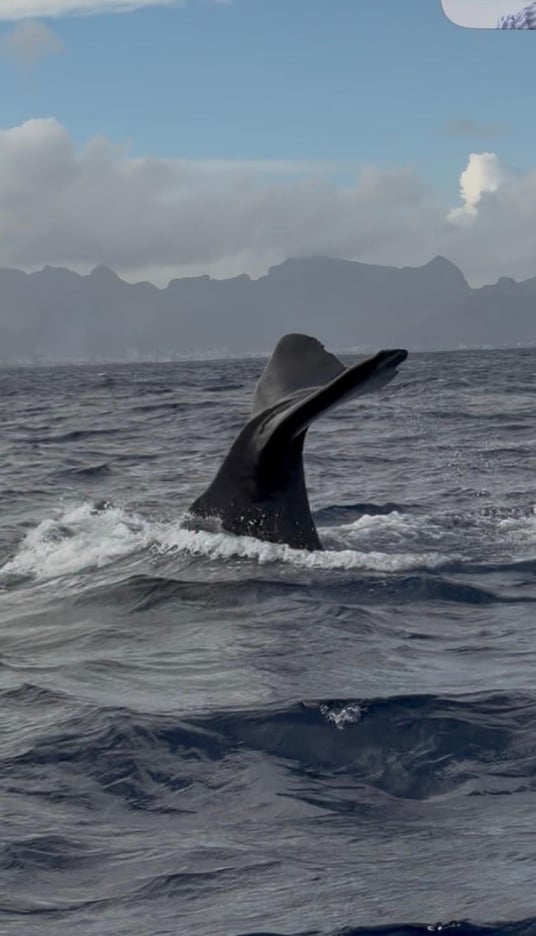
4.6977 travelers saw their first whale blow off Black River
Mauritius Whalesl Watching Tour Discover Sperm Whales, Humpbacks, and Dolphins
Book a whale watching boat off Mauritius and go from the reef to deep water in minutes. Resident sperm whales stay all year, humpbacks pass from June to October, and regular outings spot whales 60 to 70% of the time. Licensed skippers, small boats, ethical distances. Pick your morning and get on the water.
"Everything went great. We were lucky to see several whales, so a 10 experience. Lovely boat and wonderful staff. Glad this company doesn't dive with the whales."
4.6★average rating977traveler reviews100%free cancellation32countries travelers came from
Whale watching in Mauritius - start here
Whale watching in Mauritius comes in three shapes: a short watch-only boat trip, a longer combo that adds a dolphin swim, and a private charter built around your own group. The deciding factor is how much of the day you want on the water, and whether you swim or watch from the deck.
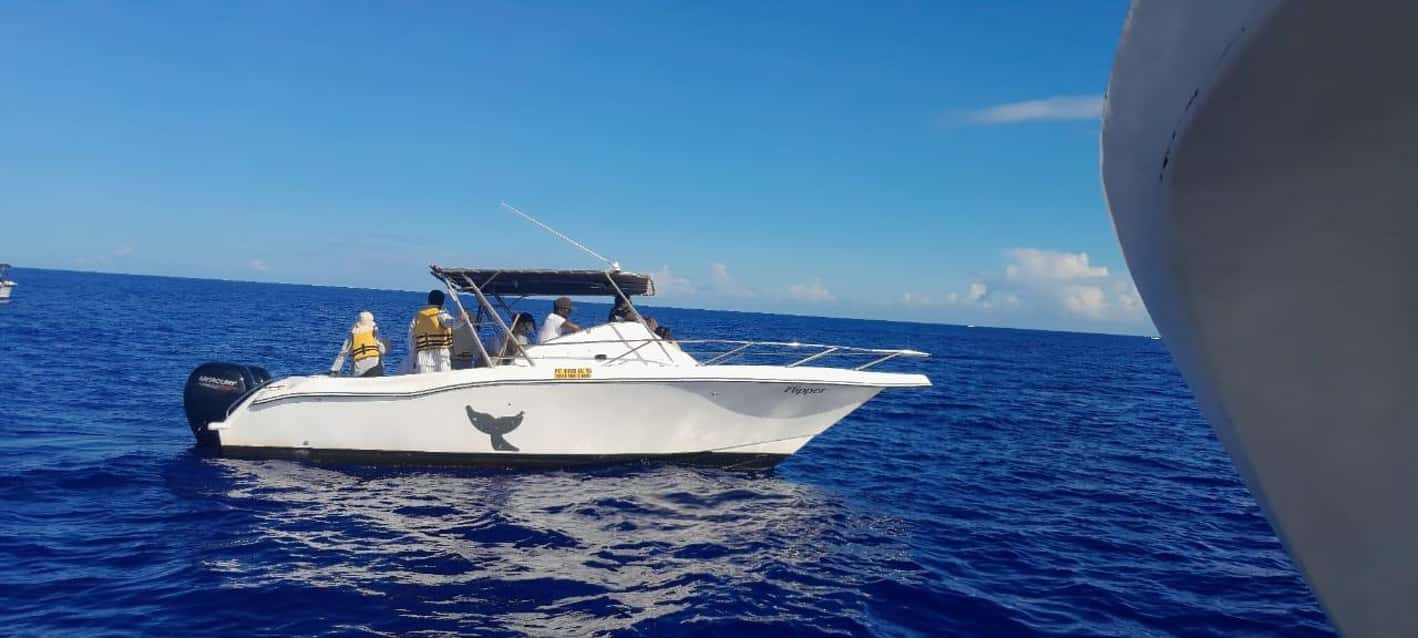
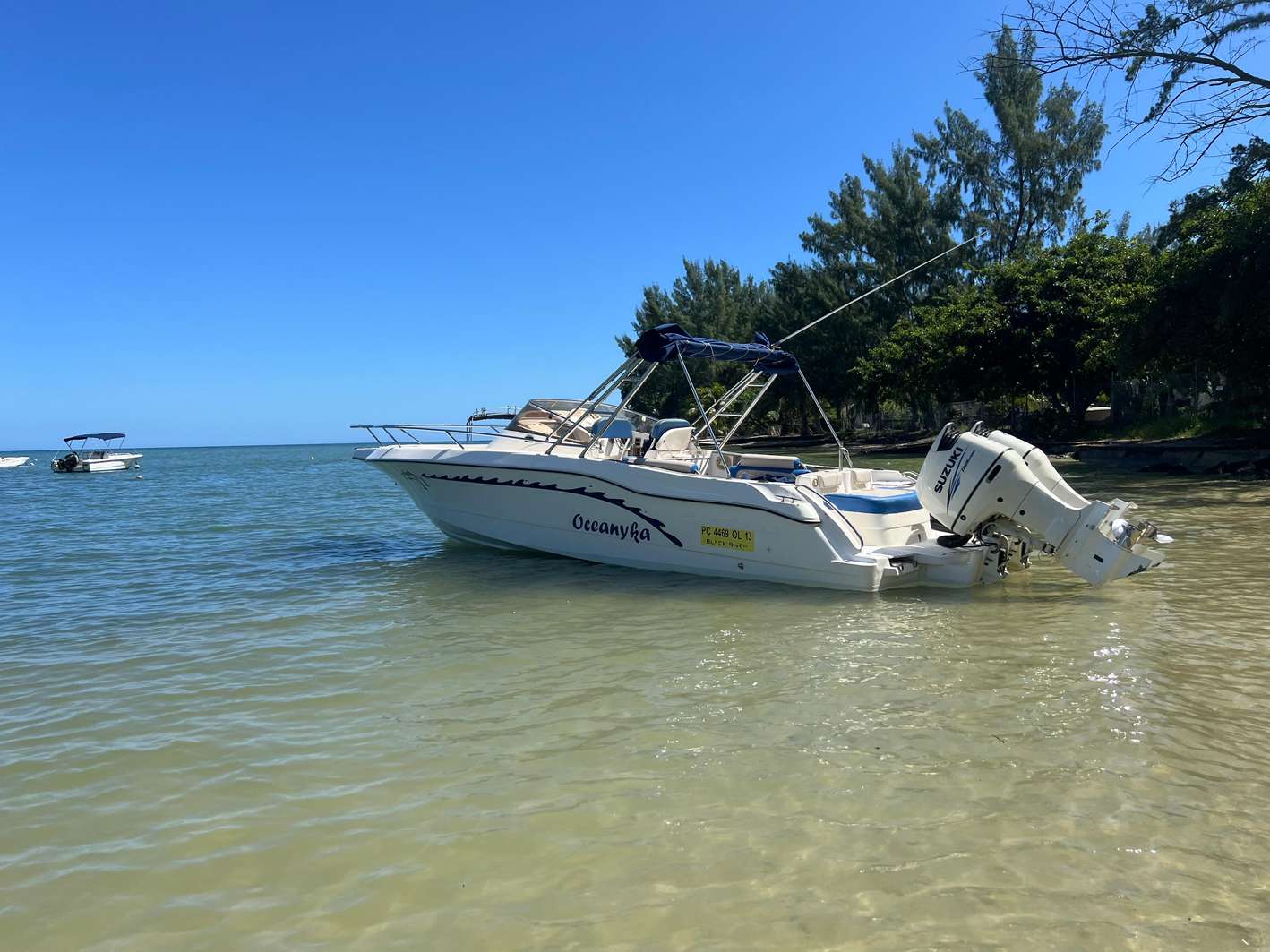
Five hours from Black River, on a speedboat built for 14 guests and two skippers, this trip packs three encounters into one morning.
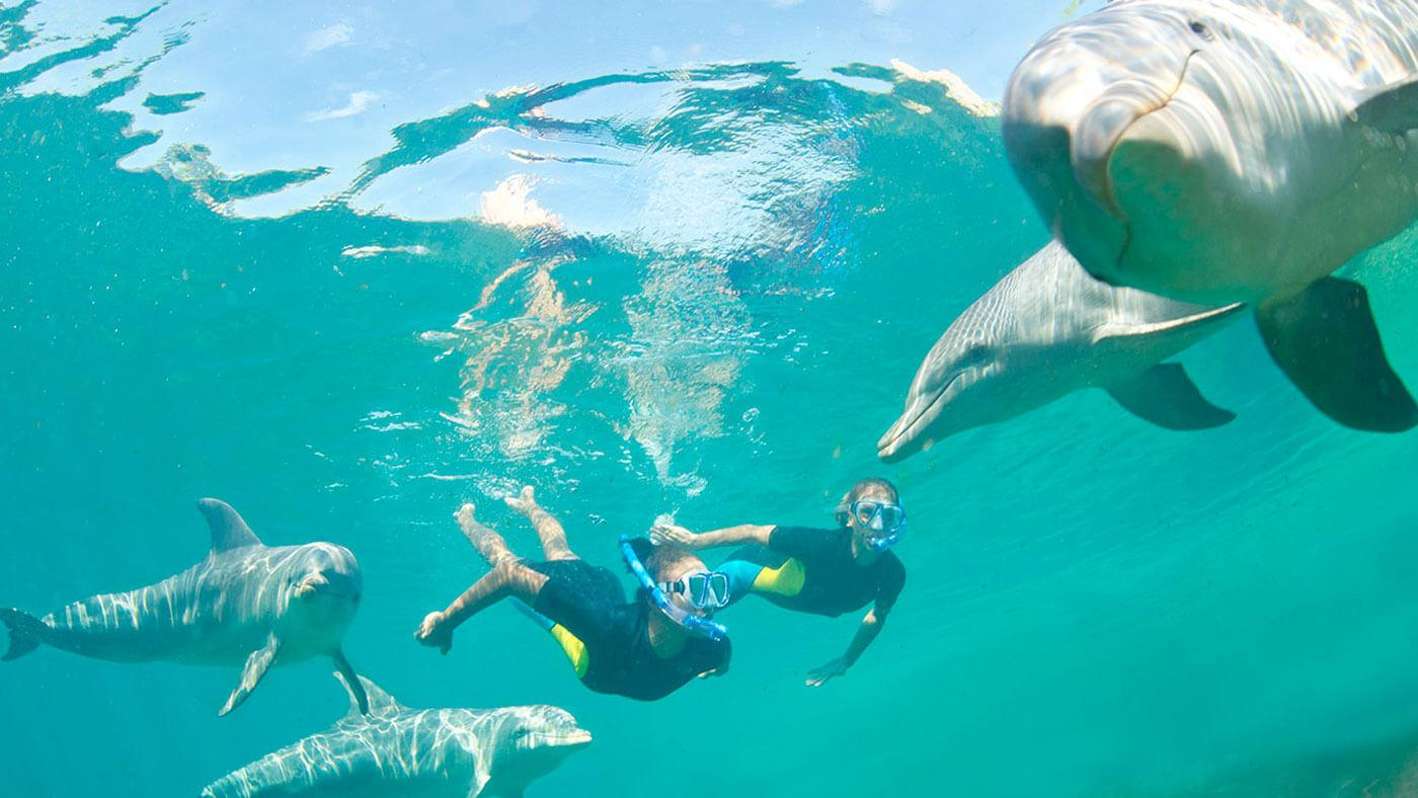
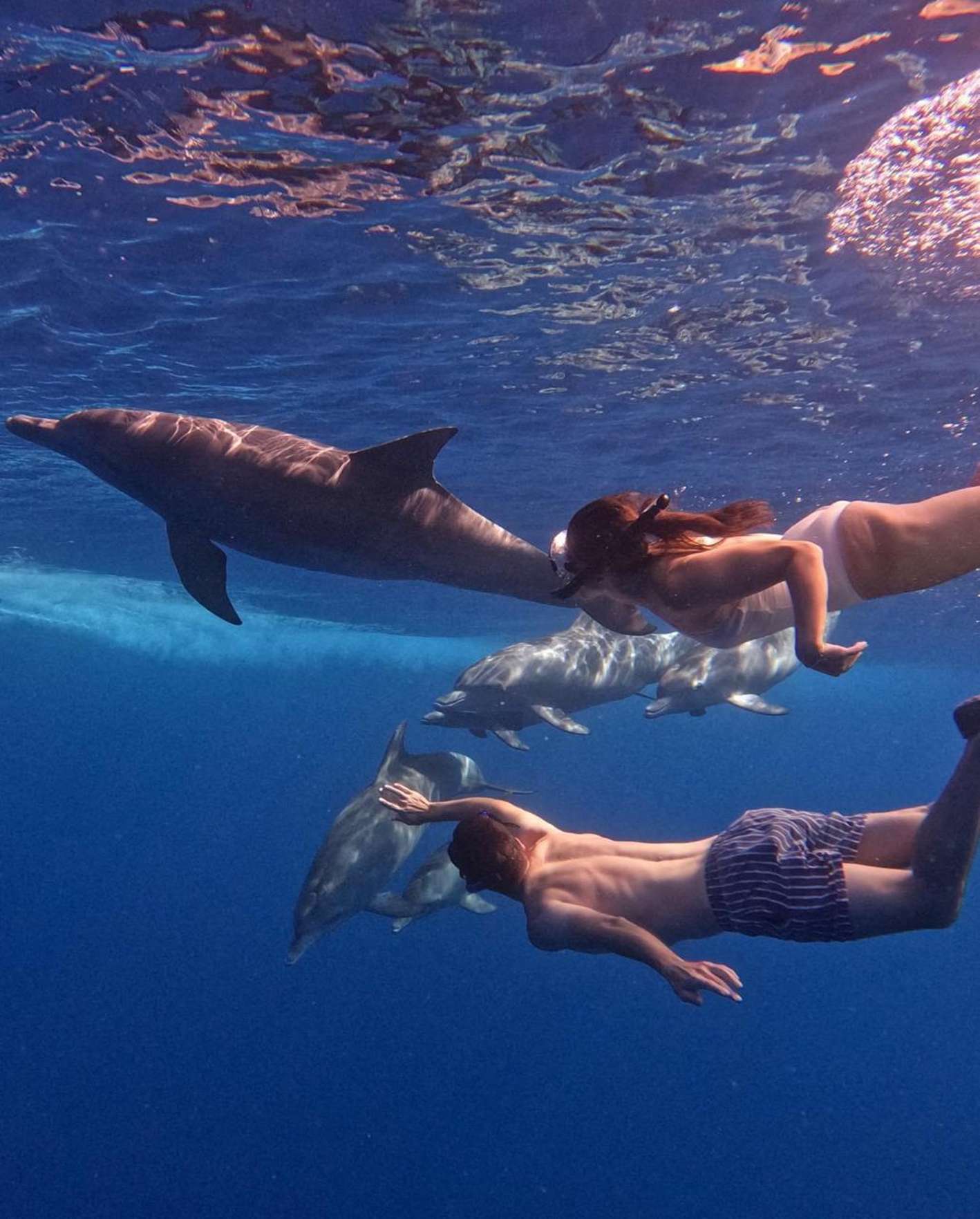
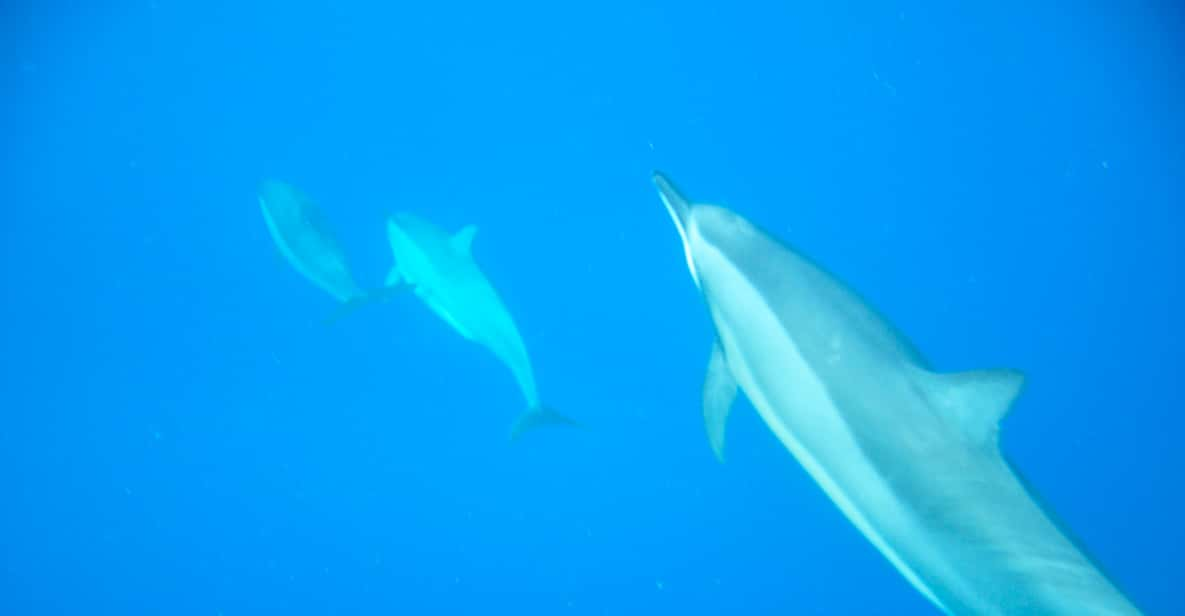
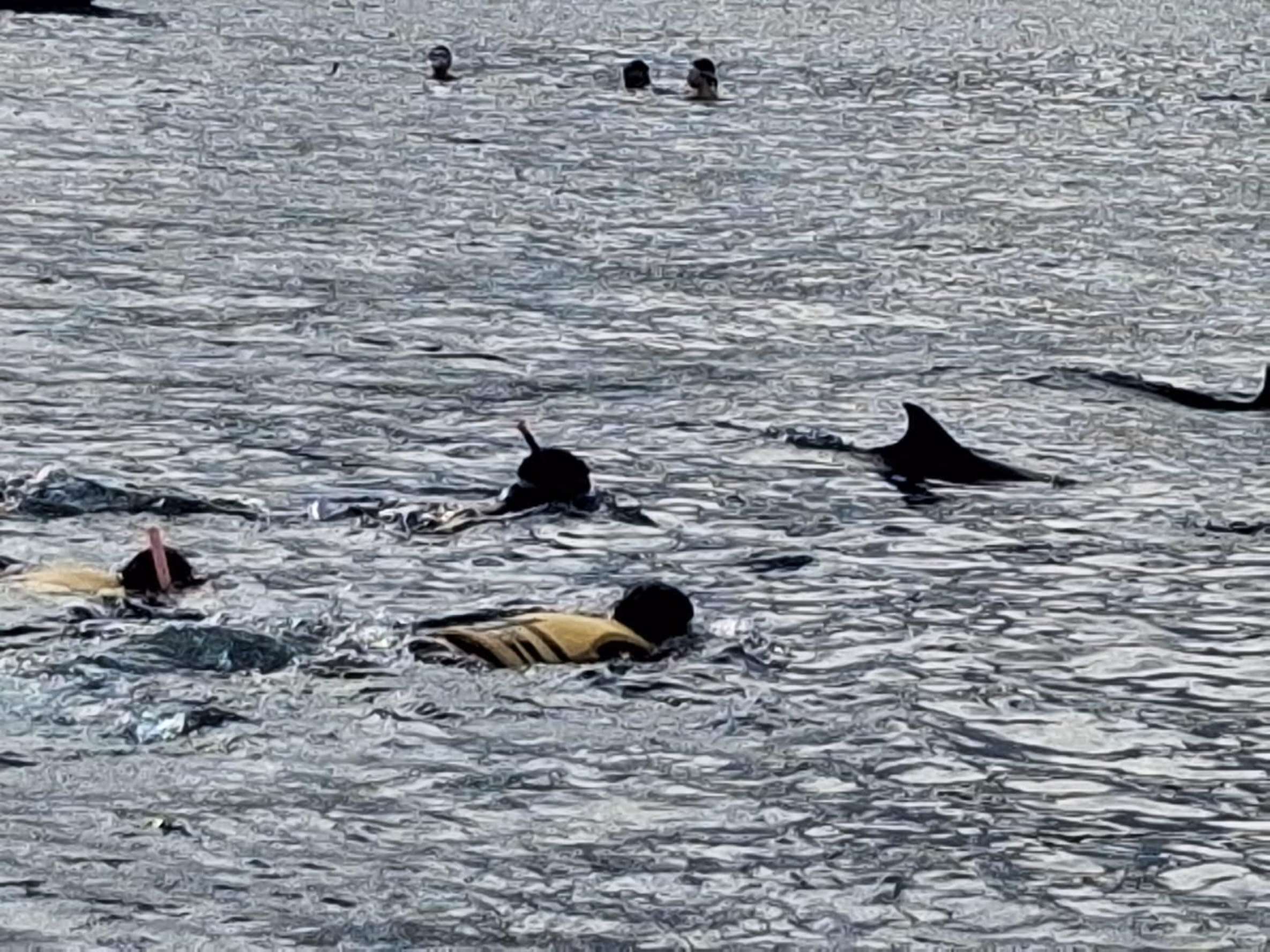
It starts with the dolphins: spinner and bottlenose pods that rest along this coast, which you swim with in open water. Then come the whales.
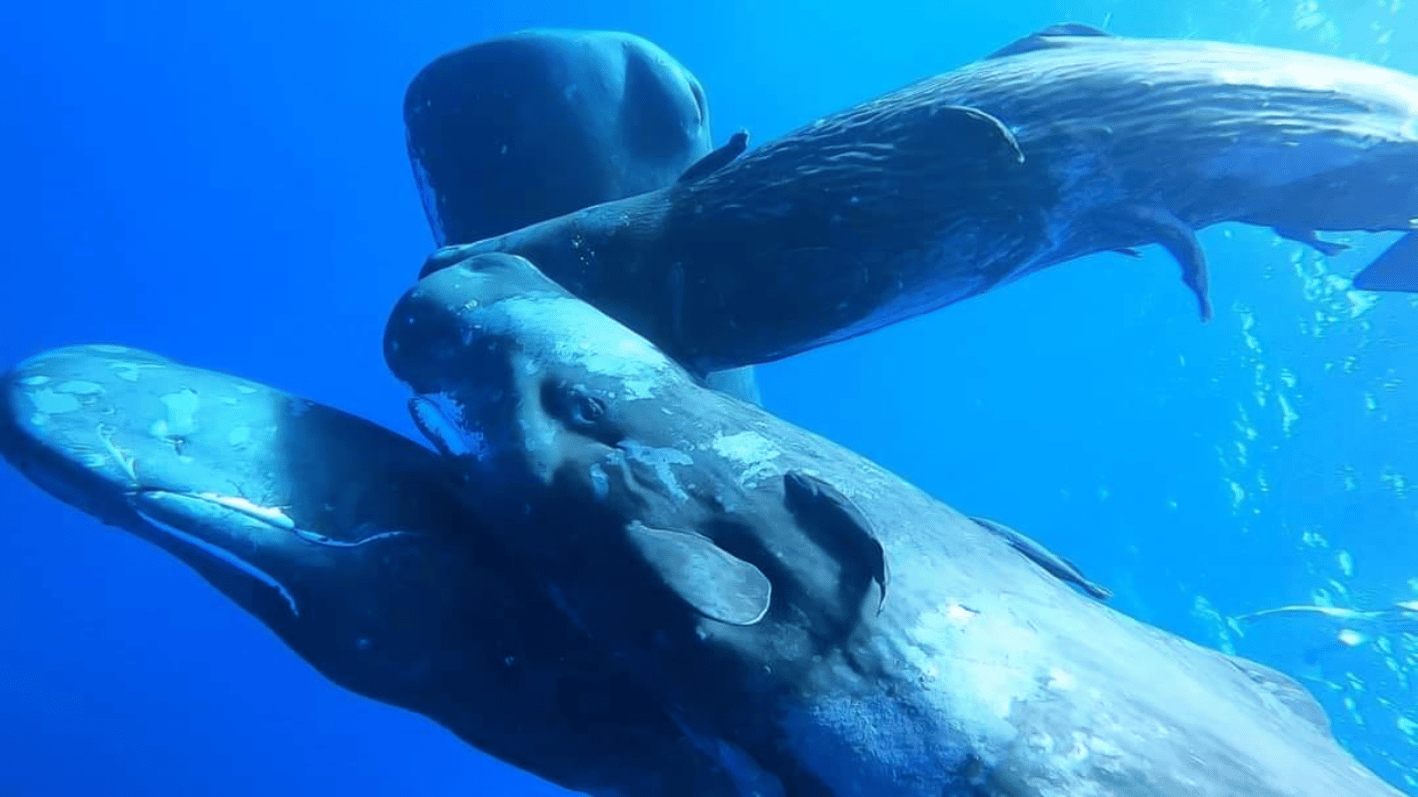
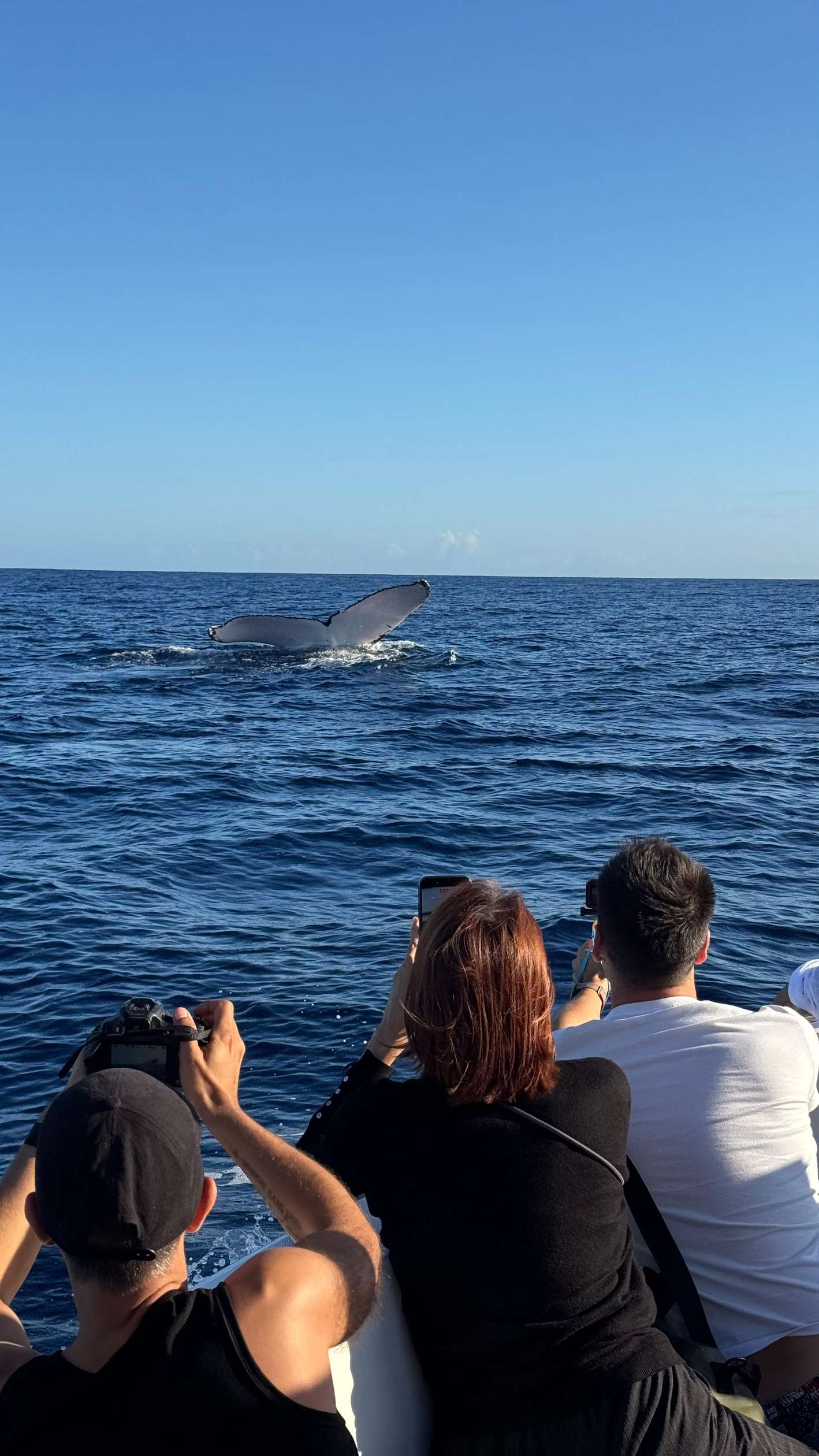
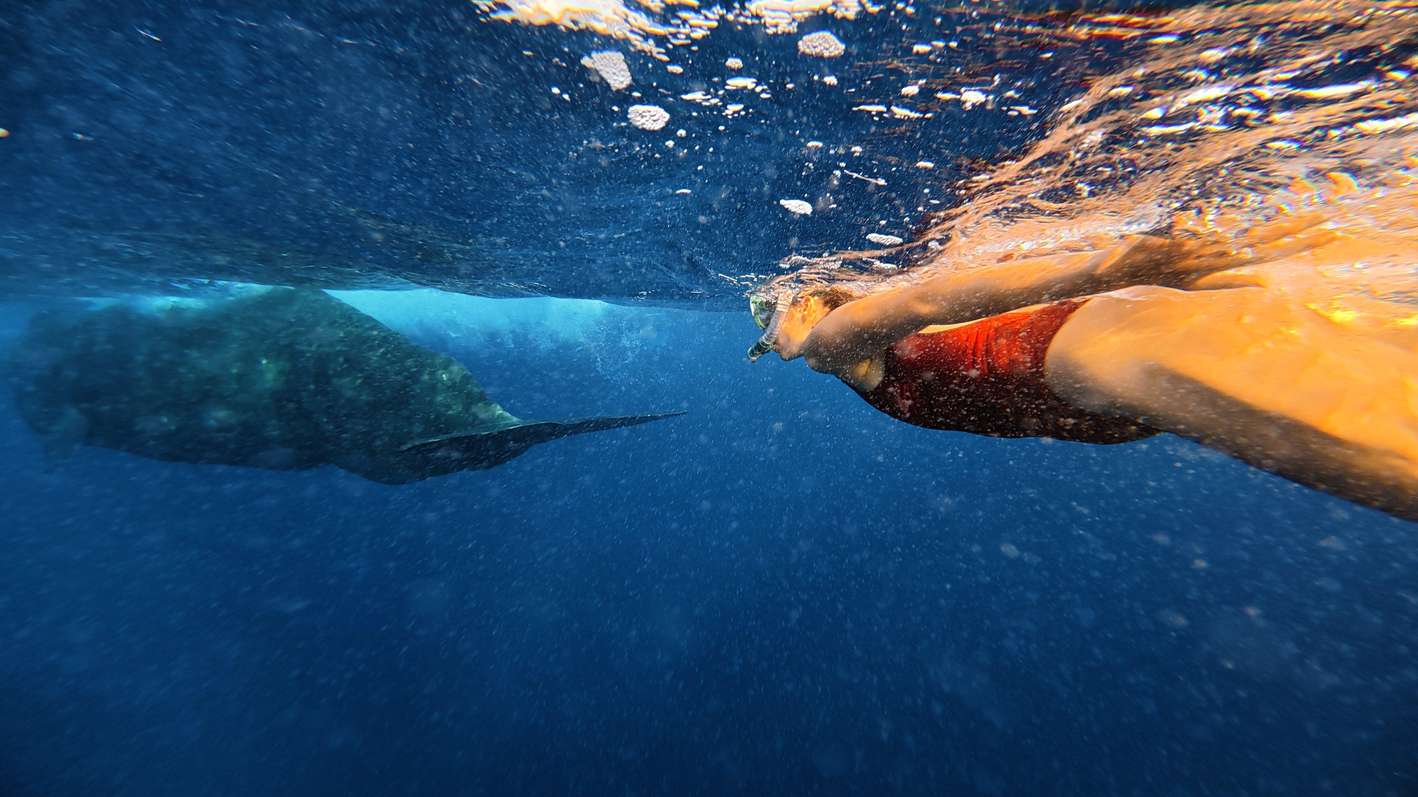
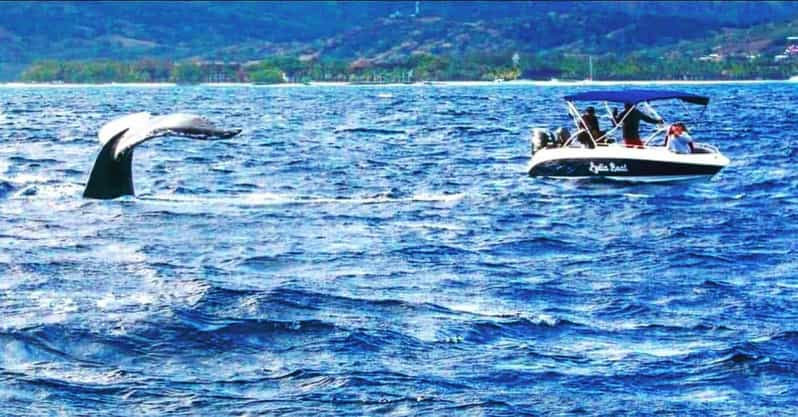
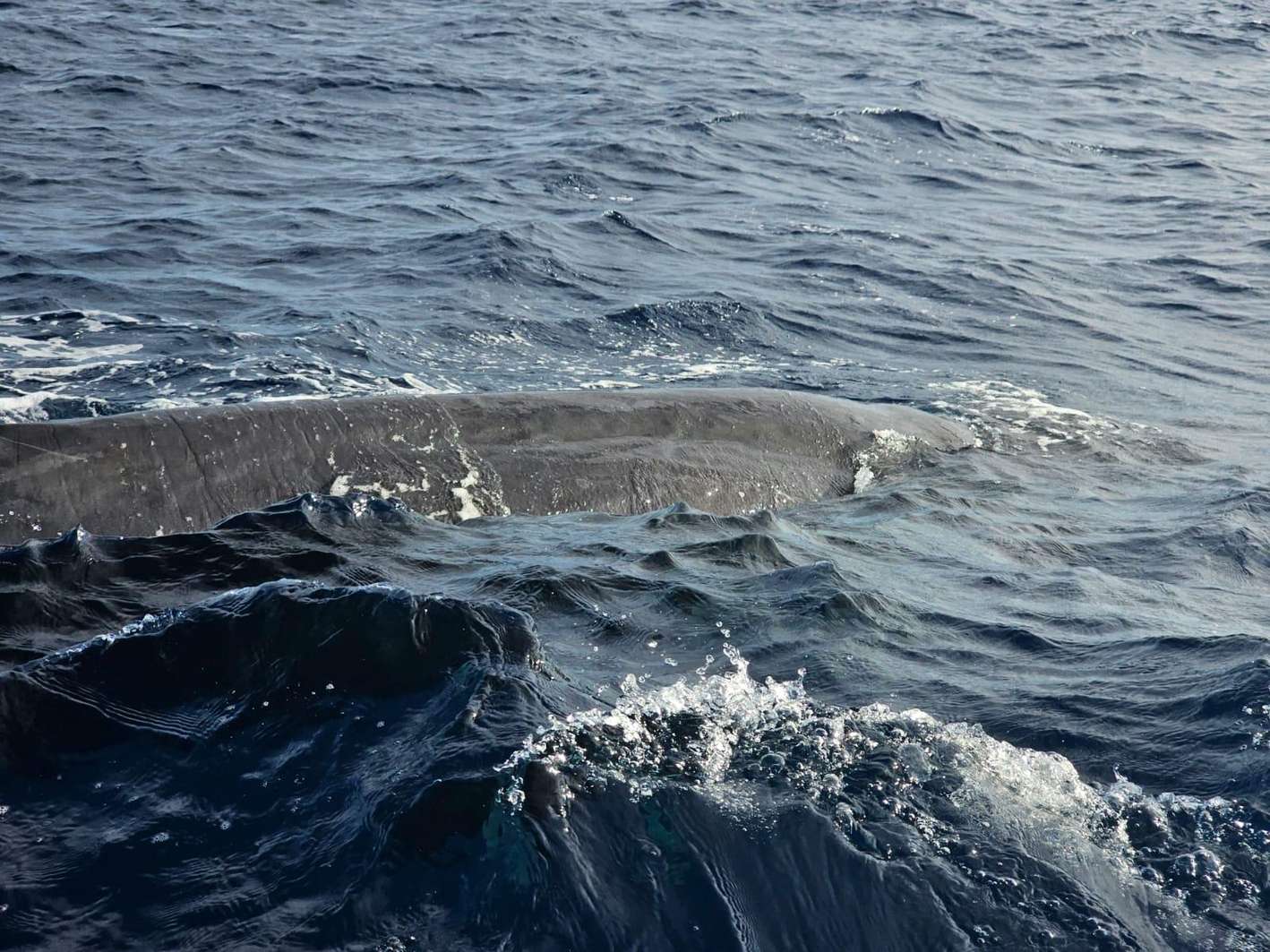
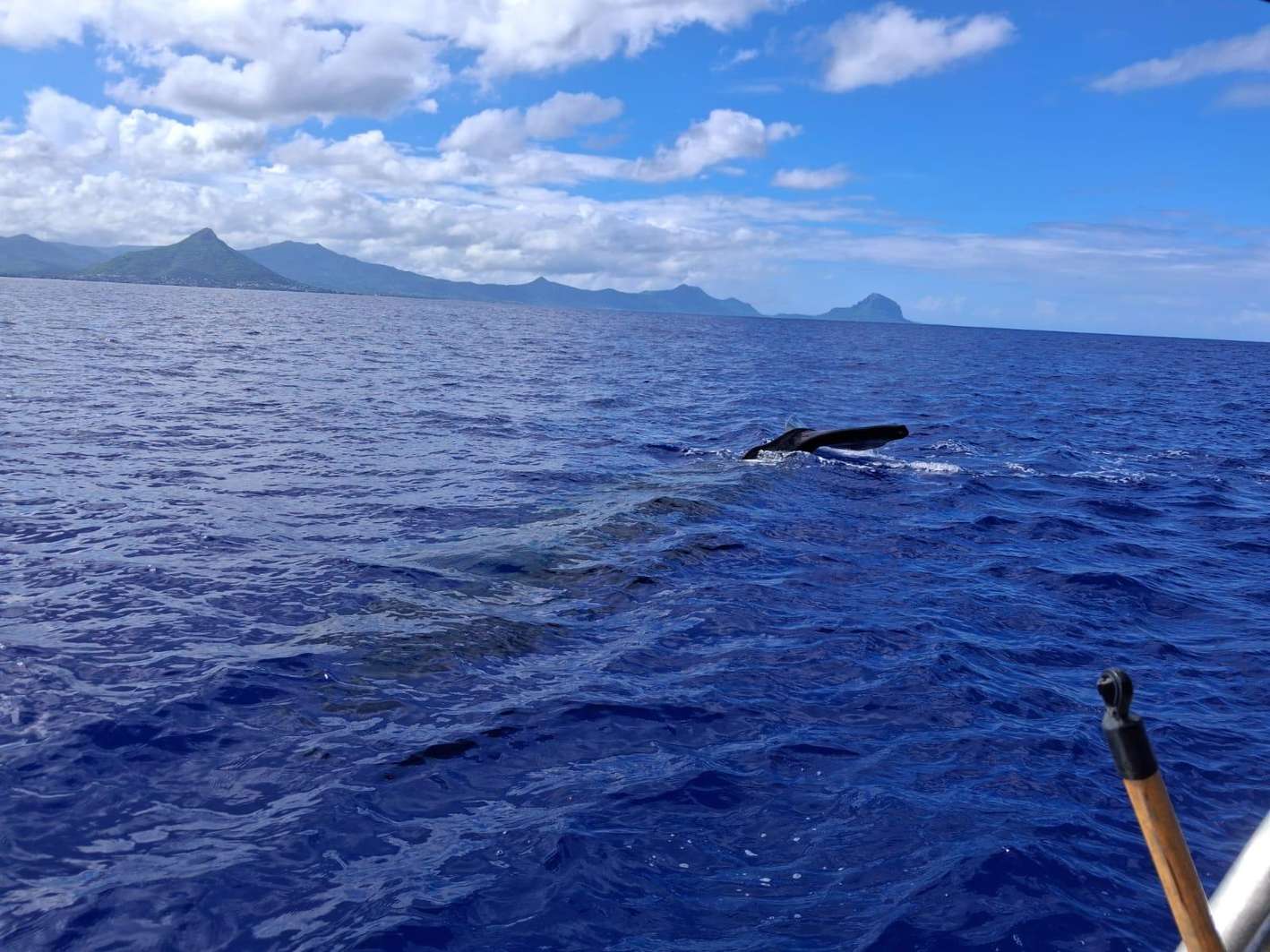
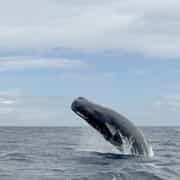
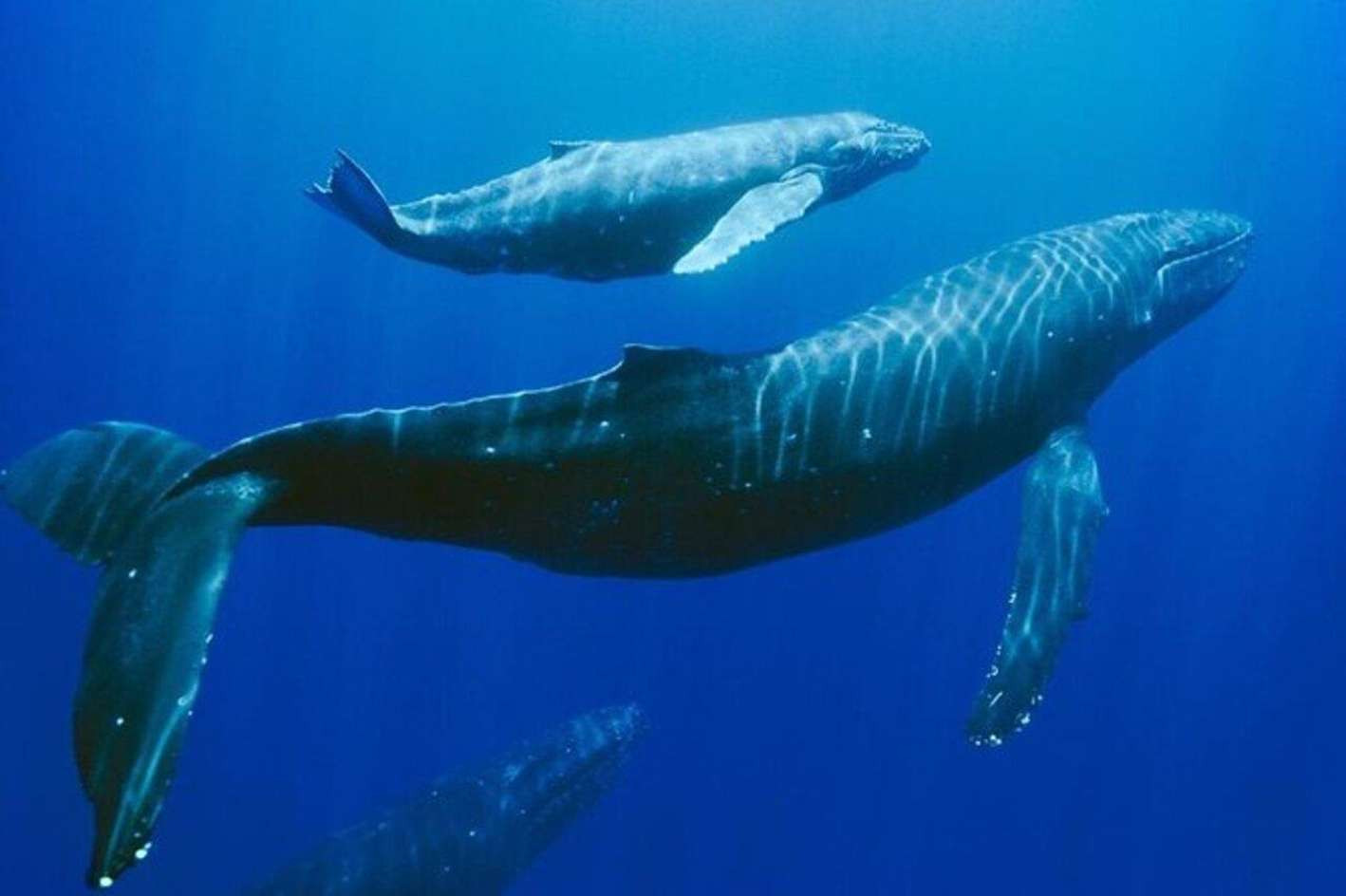
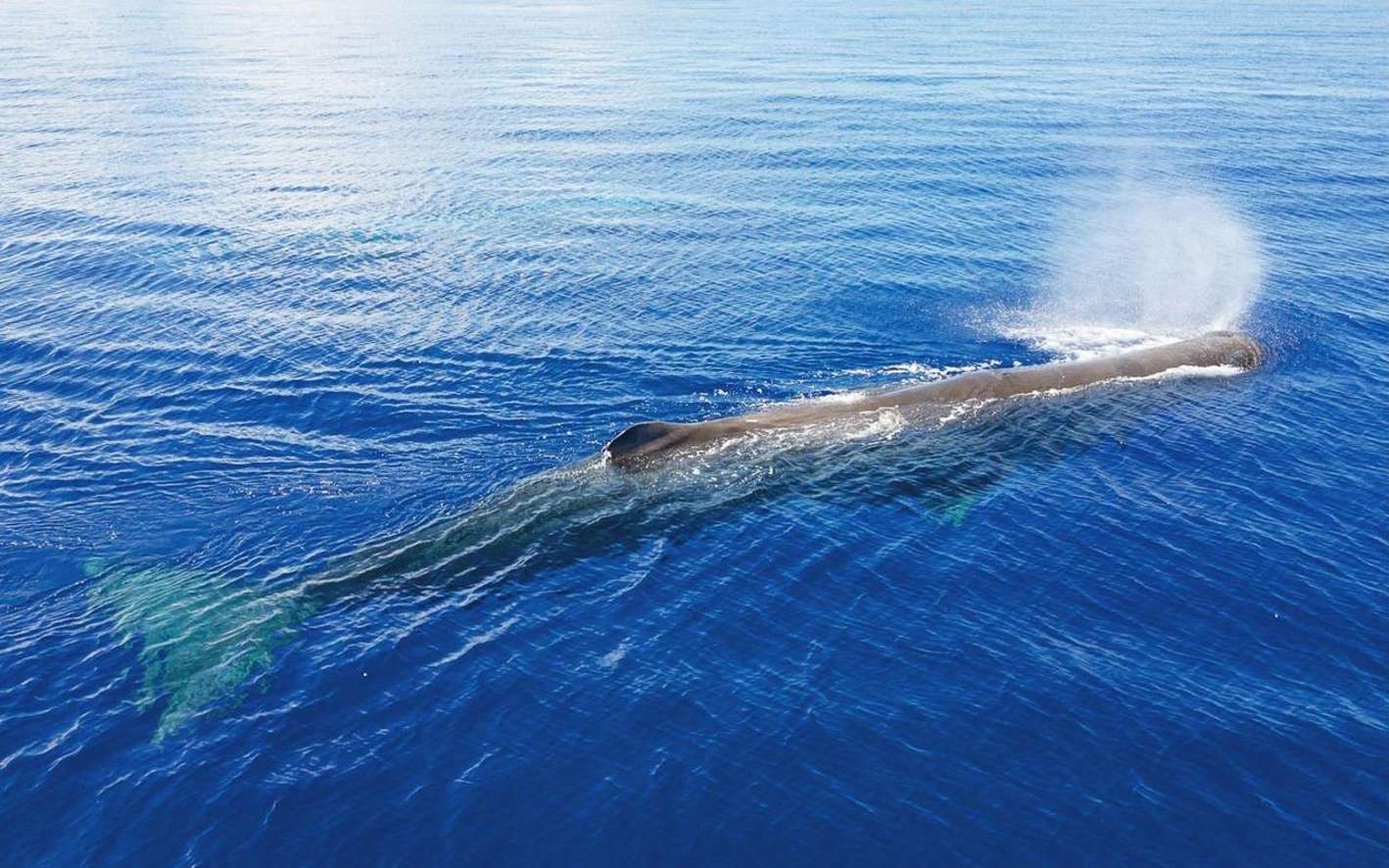
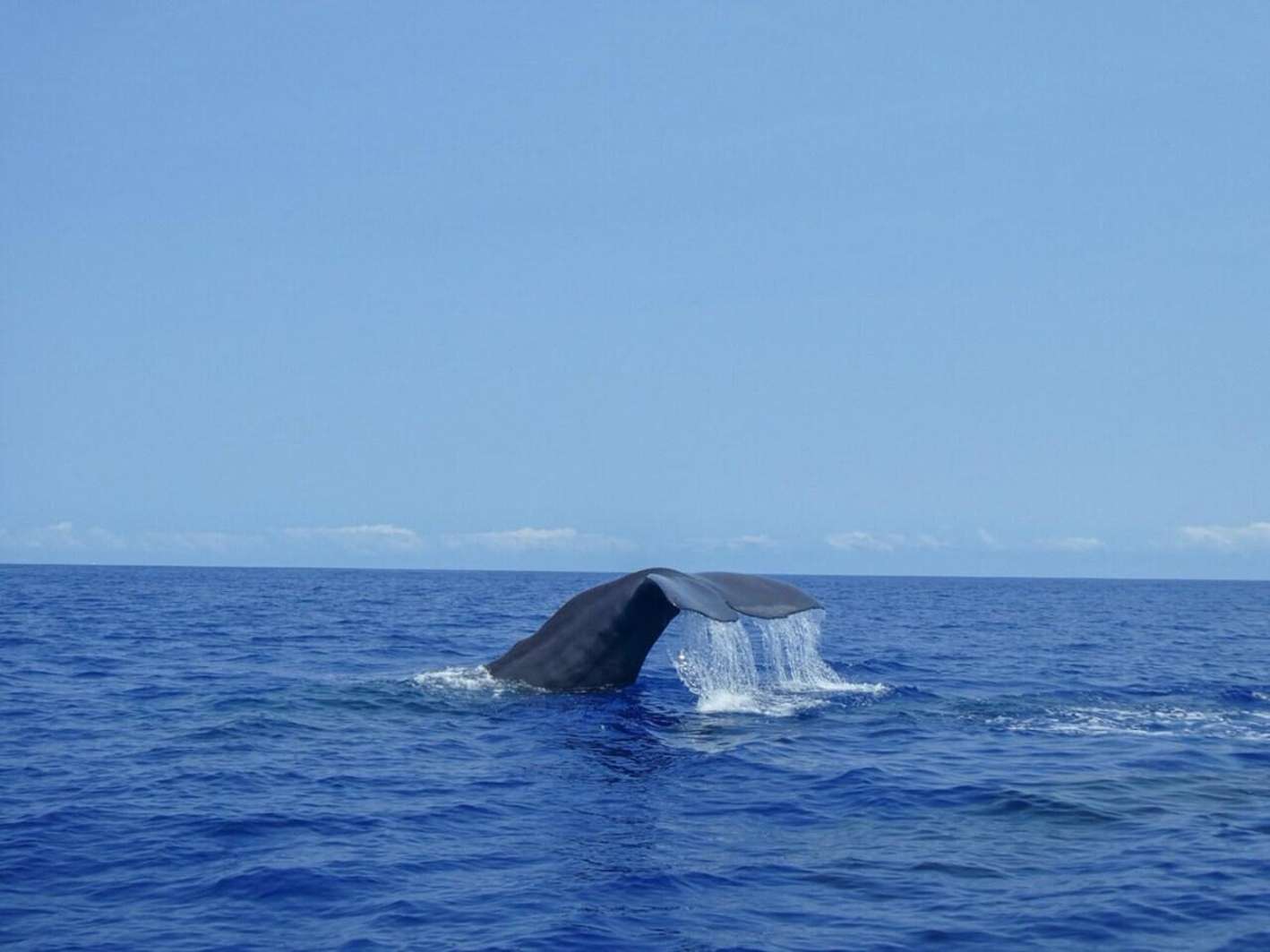
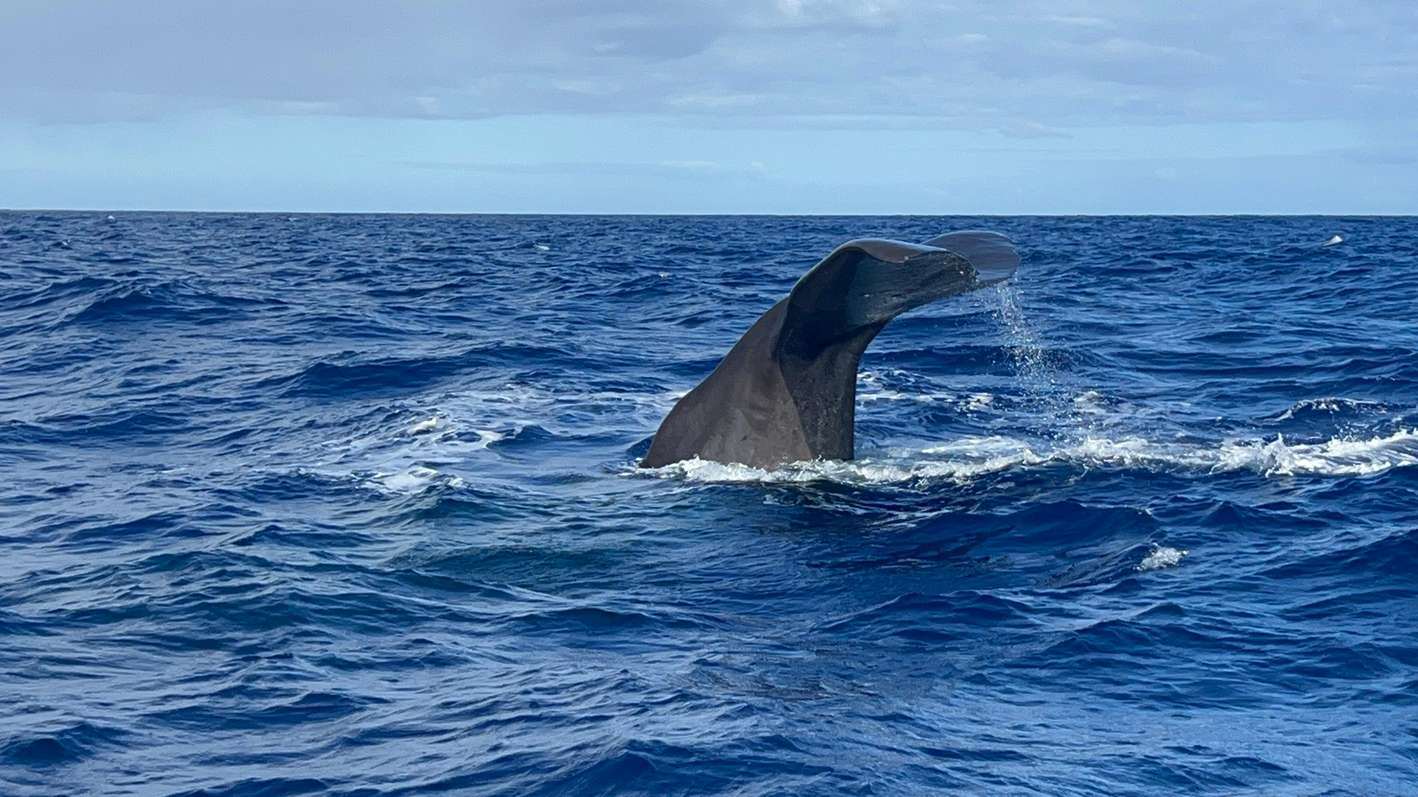
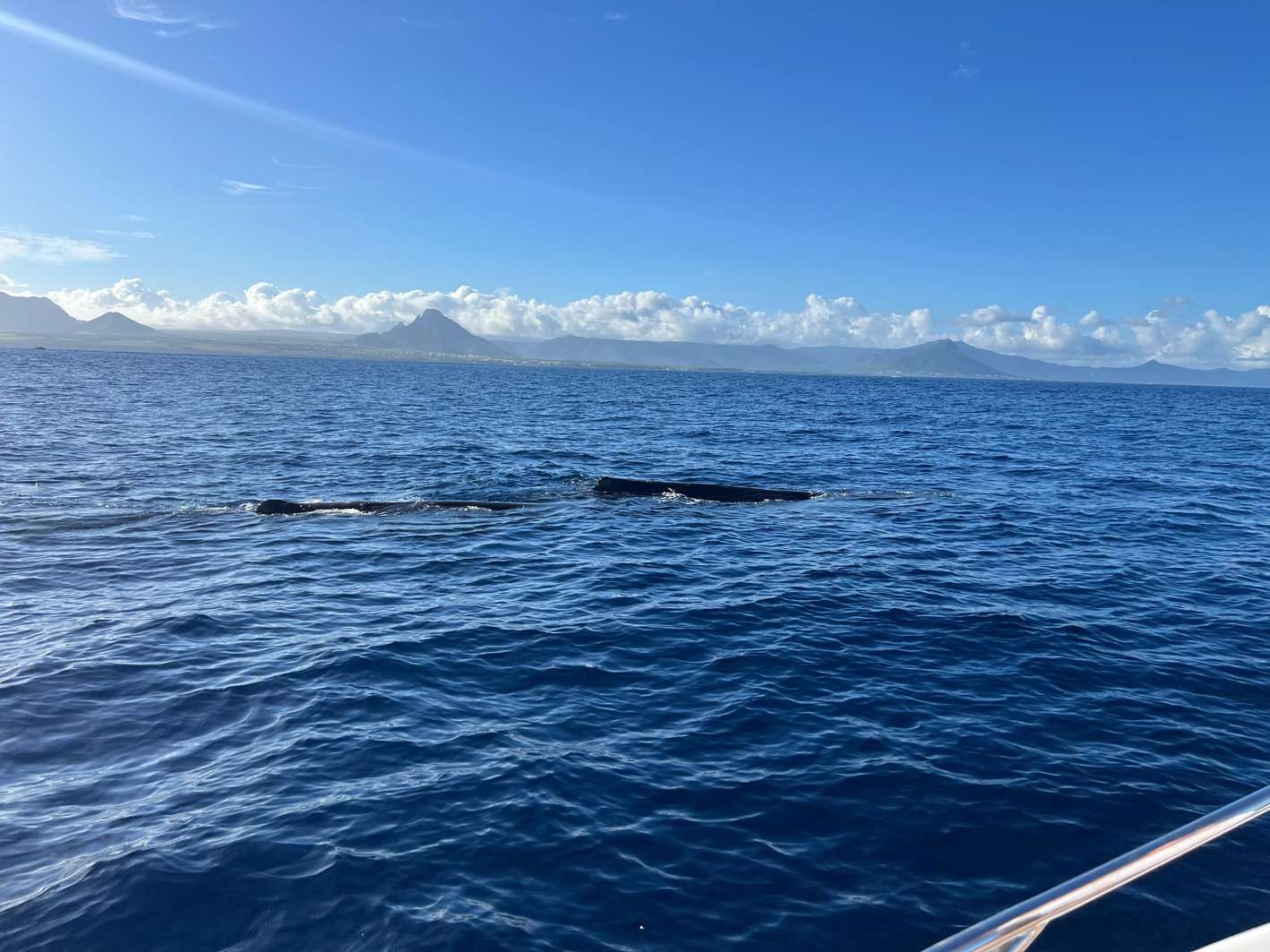
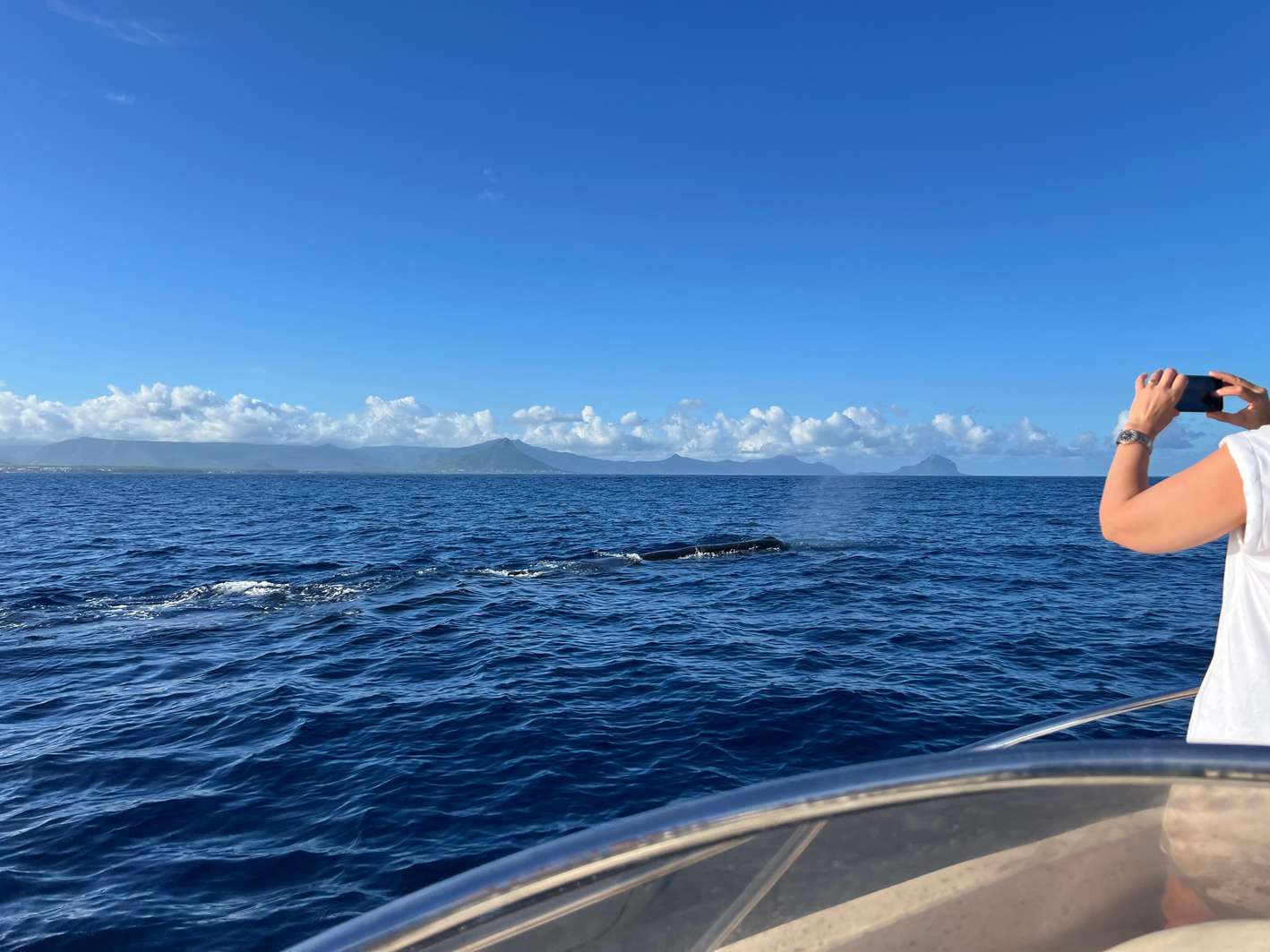
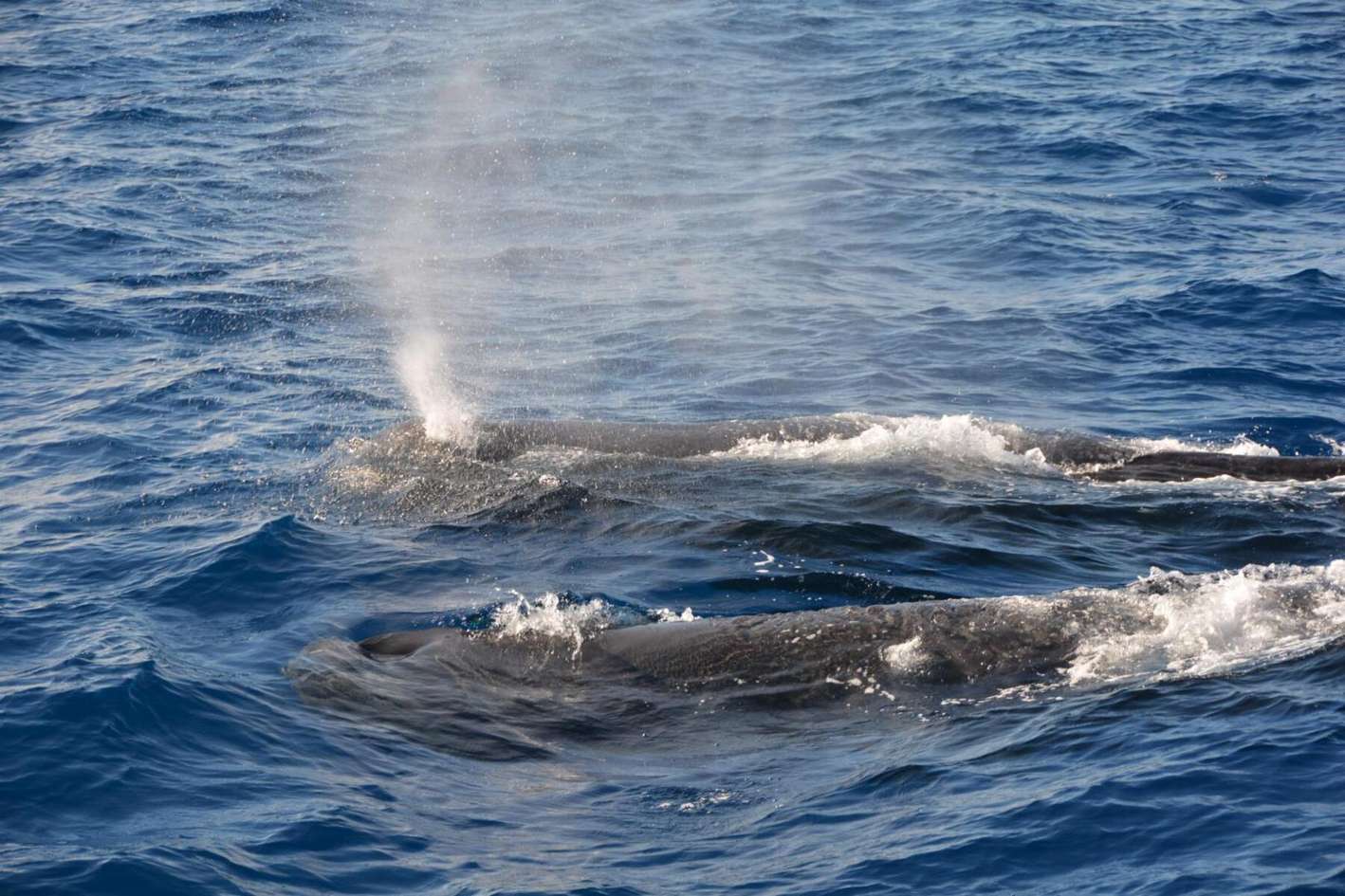
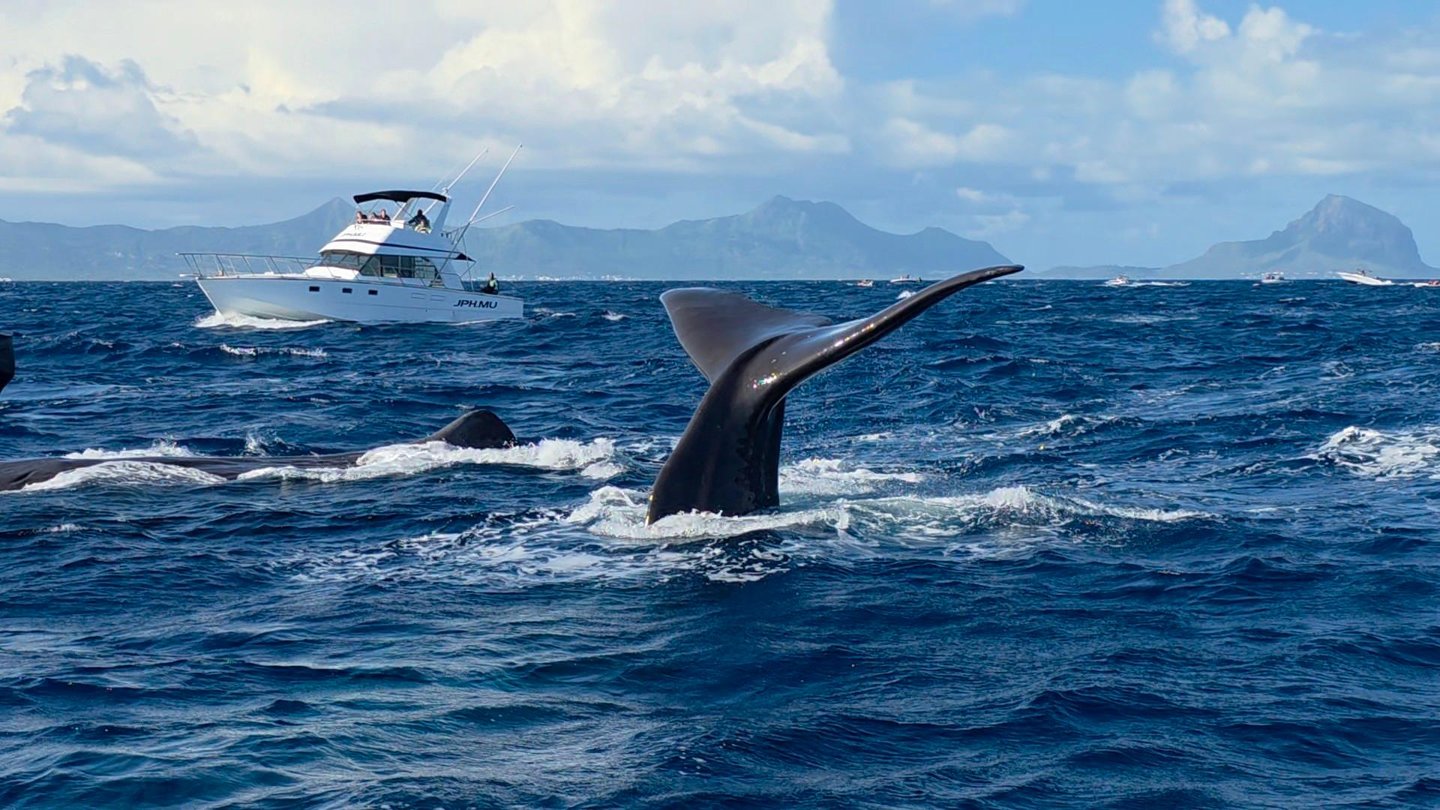
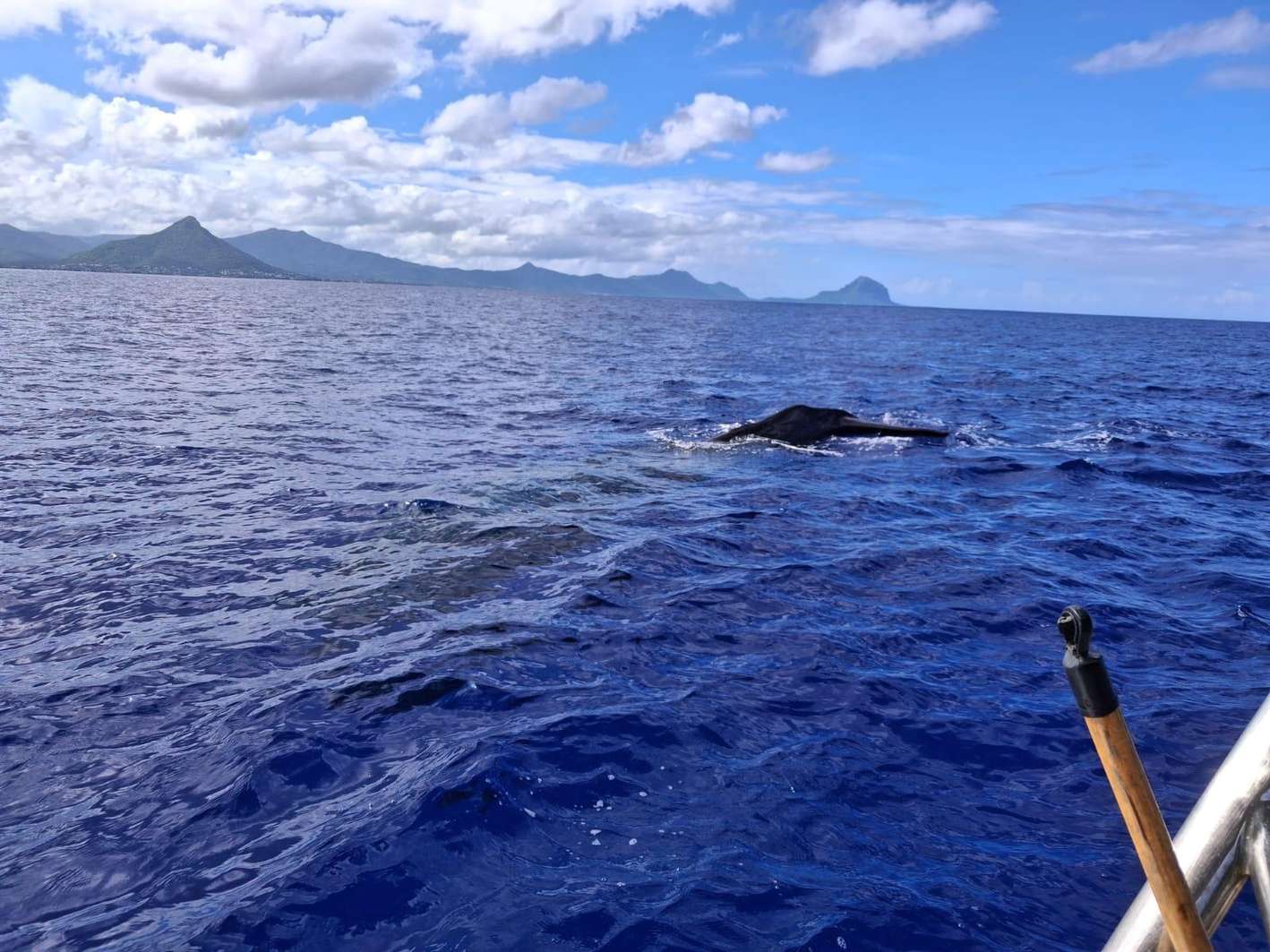
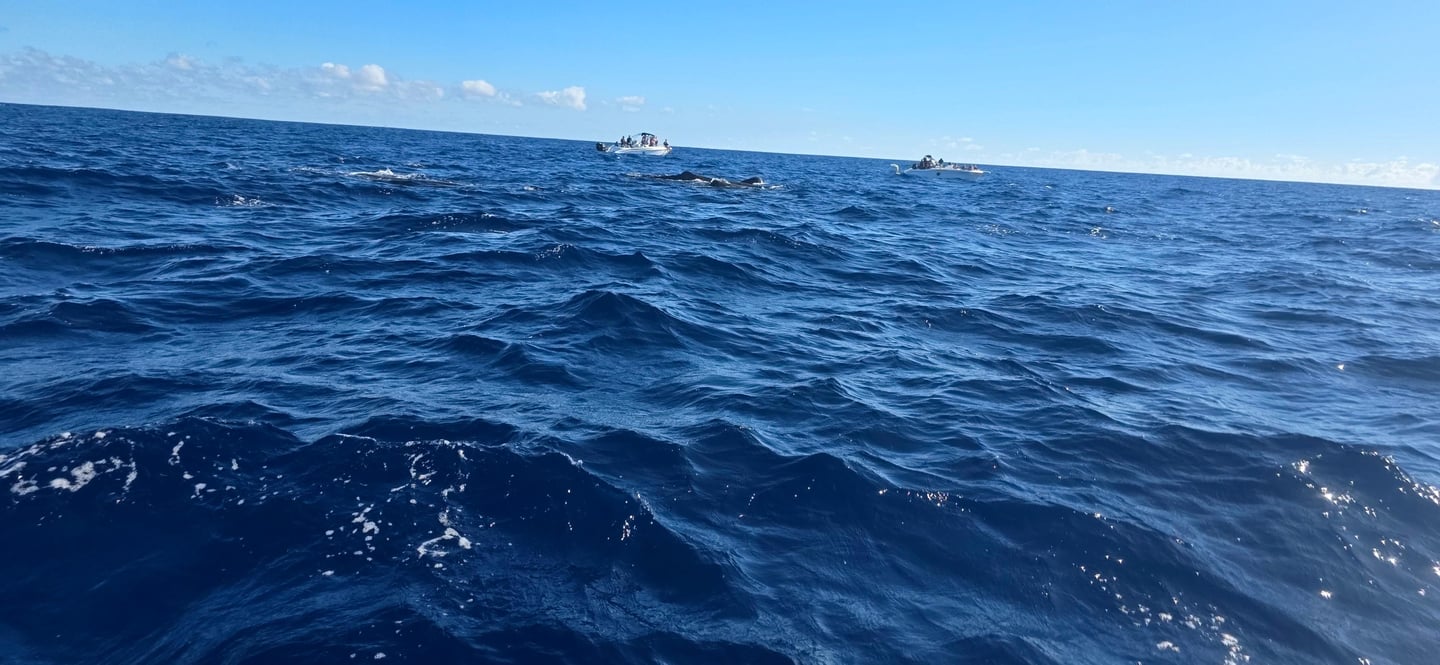
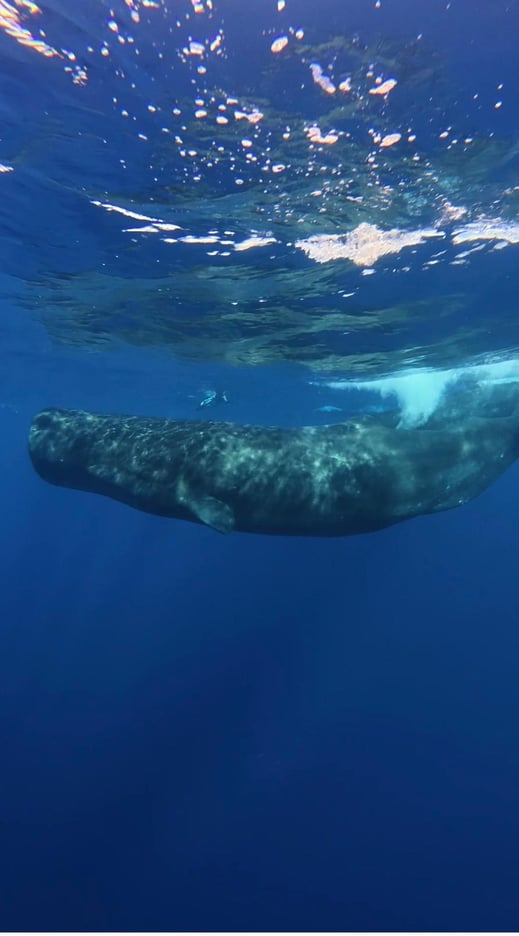
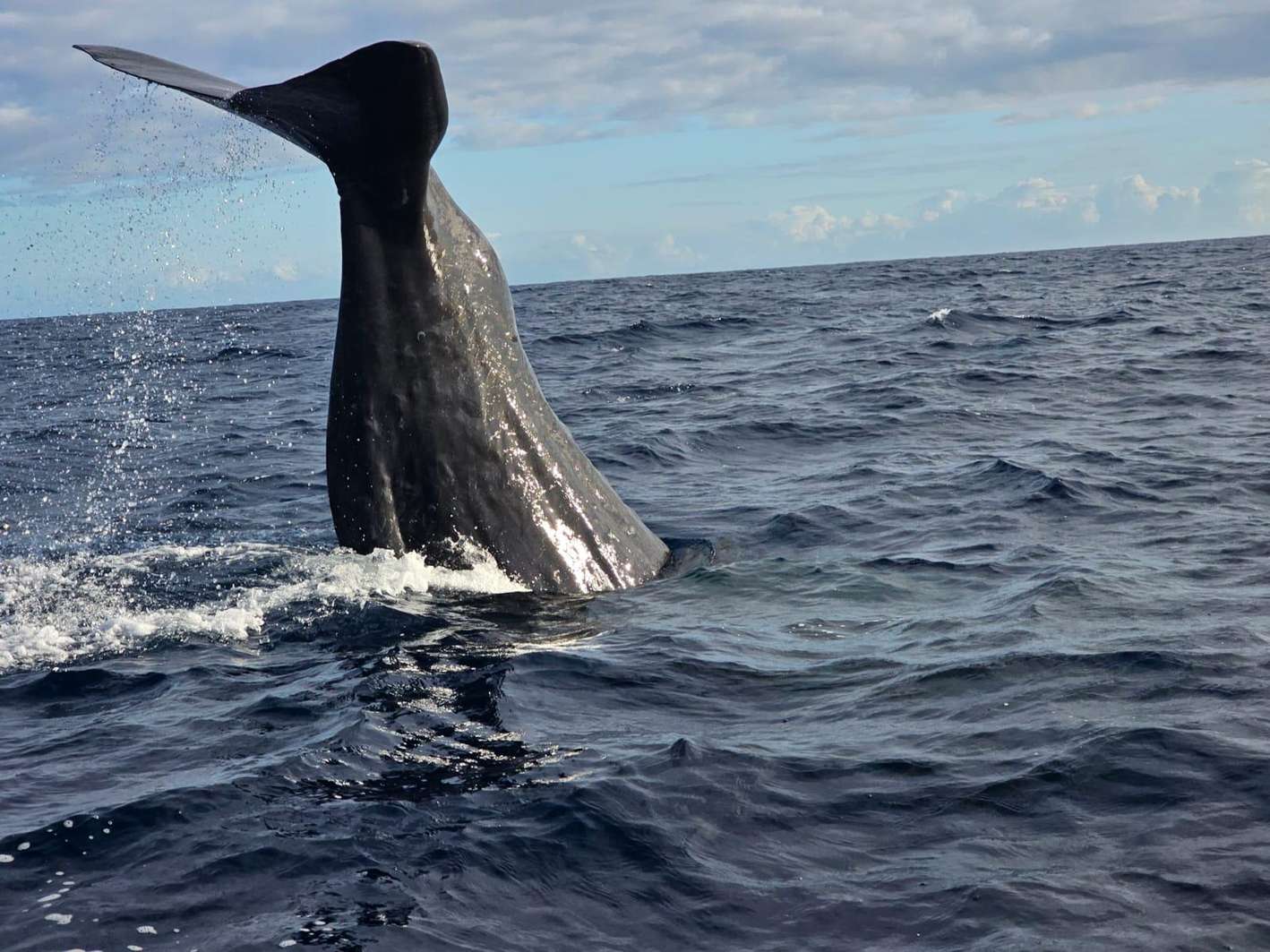
Sperm whales stay off western Mauritius all year, feeding over the deep drop-offs that begin just a few hundred meters from shore, and humpbacks pass through between June and October. You watch them from the boat, since swimming with whales is not allowed.
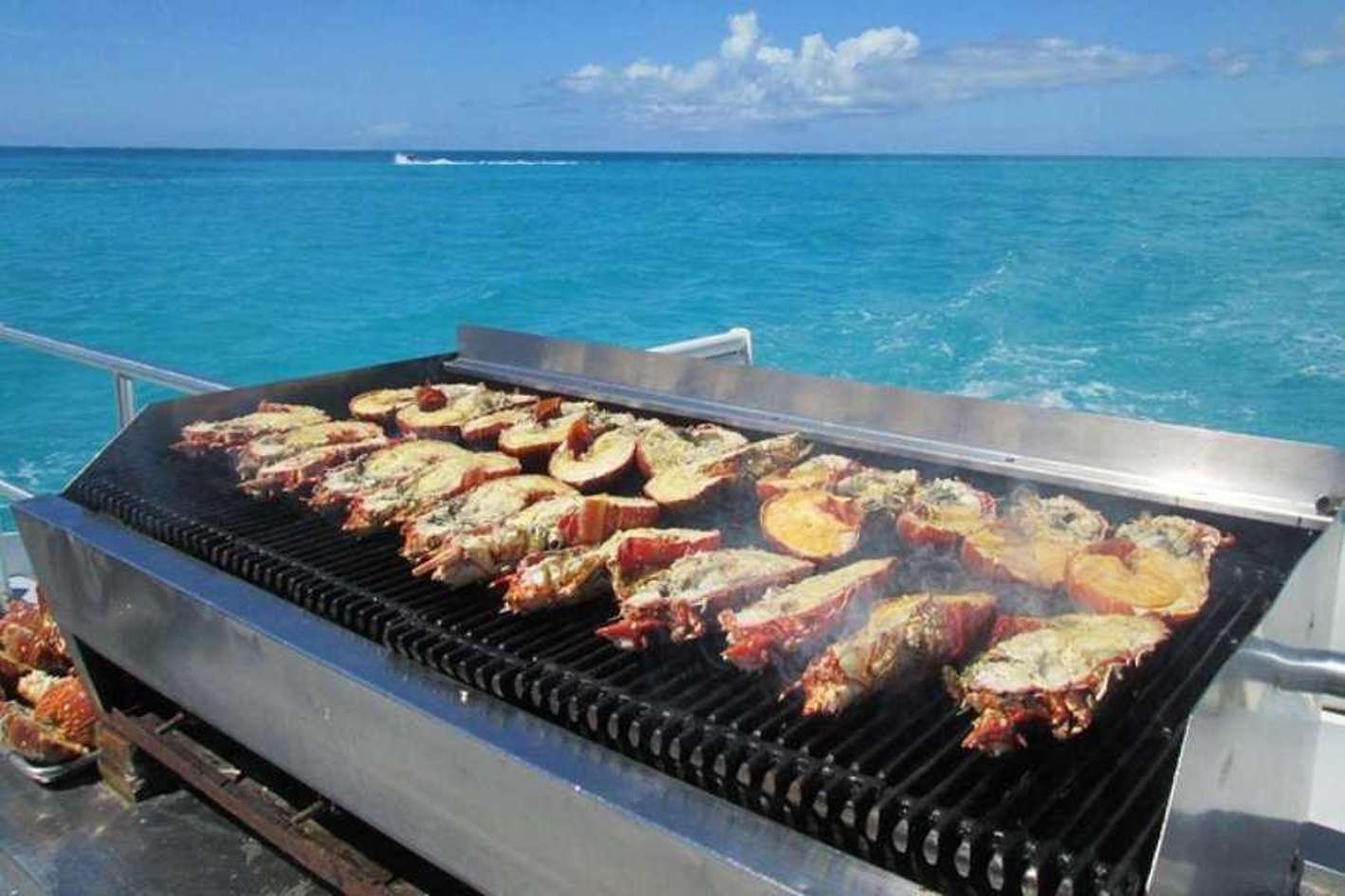
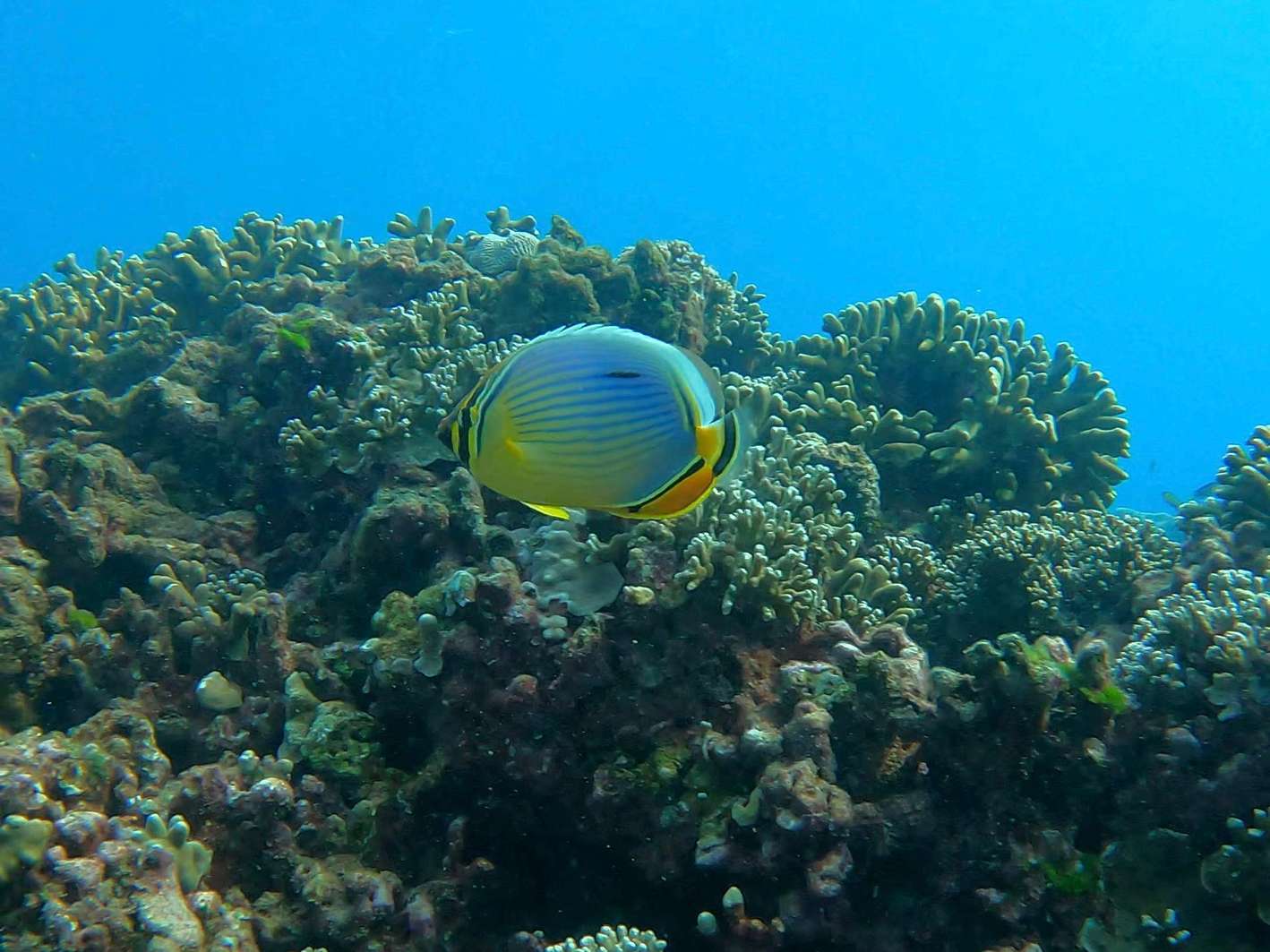
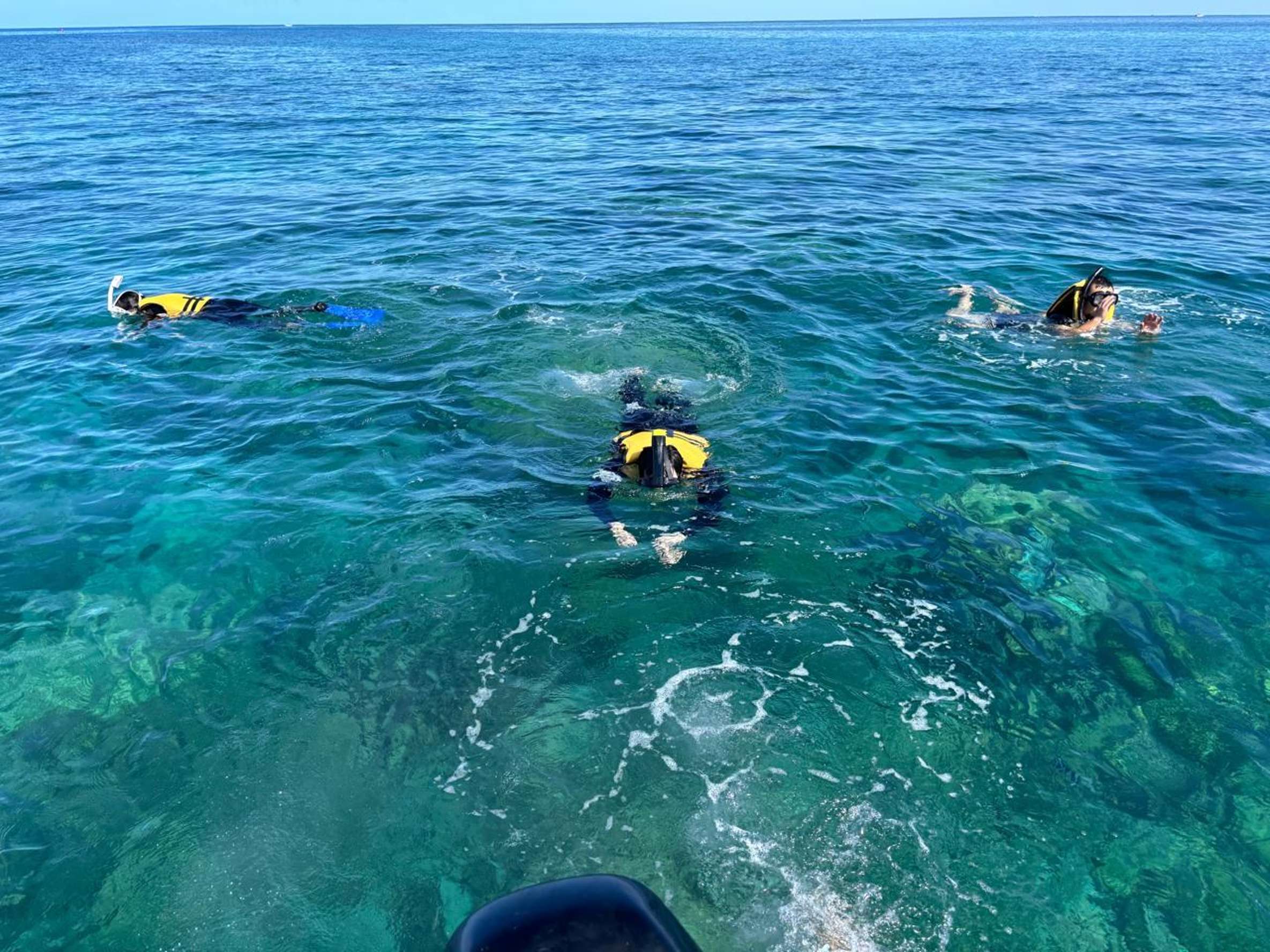
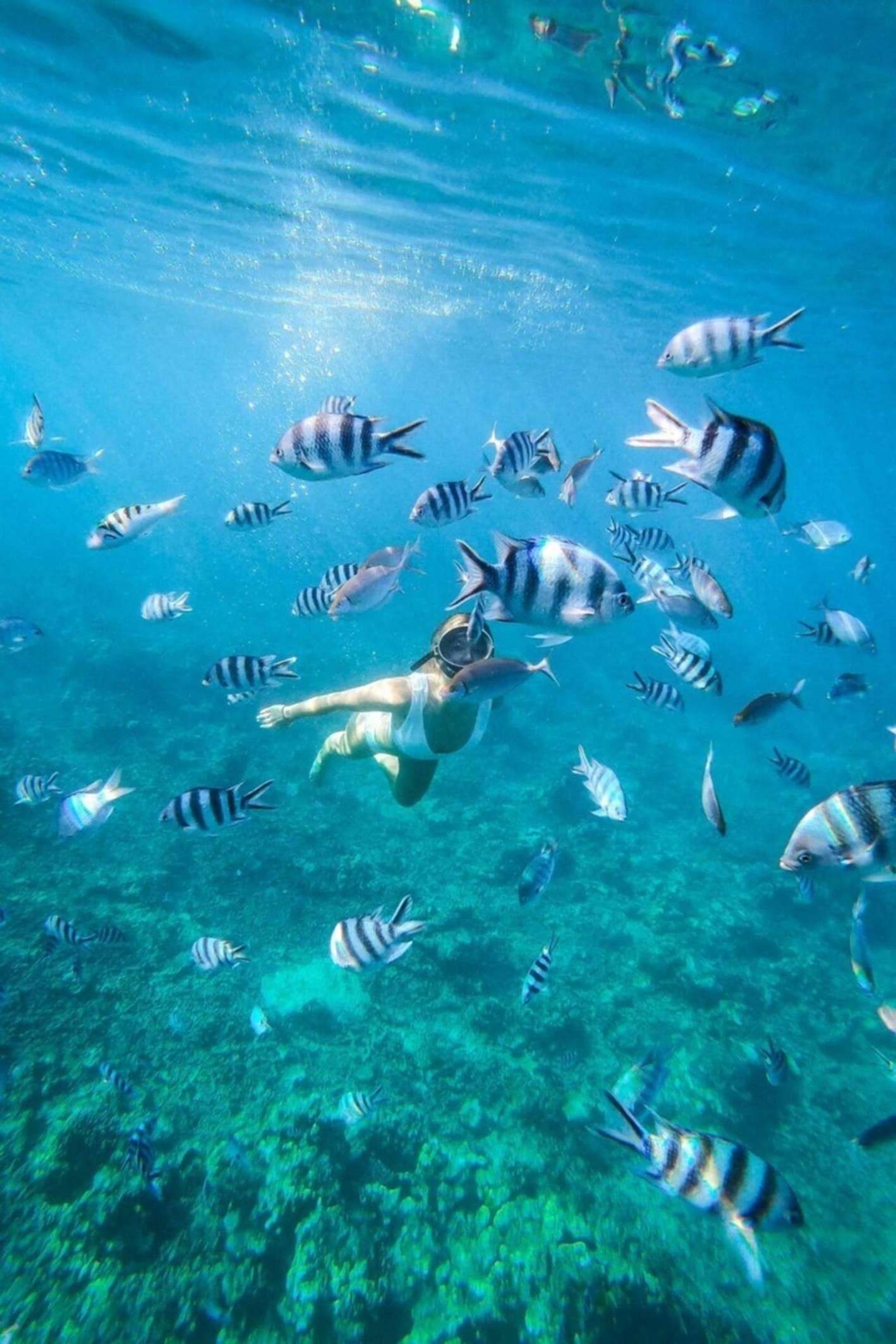
On the return leg there is a snorkel stop on a coral reef, gear included. Water and soft drinks come with the ticket; bring a packed lunch if you want one.
1Briefing on approach rules· about 30 minThe skipper and guide explain how to enter the water and behave around the dolphins so the pod stays undisturbed.2Swim with the dolphins· about 75 minYou slip into the open water with spinner and bottlenose dolphins in their natural environment, with lifejackets compulsory outside the lagoon.3Searching for whales· about 120 minThe boat heads offshore to look for sperm whales year-round and humpbacks in season, with a 60% chance of a sighting. Watching is from the boat only.4Coral reef snorkel· about 75 minA final stop lets you snorkel among the tropical fish of the reef, with gear and soft drinks provided on board.
Speedboat excursionProfessional skipper and guideWater and soft drinksSnorkelling gearLifejackets
Not included
Food (you're welcome to bring a packed lunch)Hotel pickup and drop-off
How to book a Mauritius whales watching tour
01
Pick your date and start time
Choose a morning slot. Paid whale watching runs between 6 am and noon, and the sea stays flattest before the trade wind builds around 8 am. Most departures fall between 6 am and 7:30 am.
Pro tipBook your first possible morning, then keep a second morning free in case the sea turns rough and the trip gets rescheduled
RecommendedAllow 20 to 30 minutes by taxi from Flic en Flac to the Tamarin and Black River departure points, and leave earlier if you come from Grand Baie, which takes 75 to 85 minutes
02
Choose between shared and private
Read the options on the card before paying. A shared speedboat seats 10 to 20 people on a fixed route, while a private option keeps the boat for your own party of 2 to 8 and lets you set the pace. Some tours also offer a private upgrade for up to 4 or 6 guests.
Common mistakeAssuming a private boat means a quiet ocean. Other speedboats still gather around the same whales once one is spotted
Pro tipA private charter matches the day to your group's swimming ability and timing, which matters if you want a later start or extra snorkeling stops
03
Check who can come aboard
Look at the suitability line for your tour. Several speedboat trips do not take pregnant women, and age limits vary, with some boats refusing children under 3 or under 4. The Black River whale-only tour also skips people prone to seasickness.
ImportantOpen-ocean speedboats are generally unsuitable for toddlers because of the swell, the sun and the lack of shade once you pass the reef
Common mistakeBooking a shared whale-only trip for a non-swimmer without checking. One tour is not suitable for non-swimmers, so read that line first
04
Pay and read the confirmation
After payment you get a voucher by email, and the operator's messages arrive the same way. Most tours on this site let you cancel up to 24 hours in advance for a full refund. One tour includes hotel pickup from anywhere on the island; most others meet at the departure point.
Pro tipCancel in time and rebook if the forecast turns bad, since tours can be rescheduled when the weather closes in
Common mistakeAssuming pickup is included. Most tours start at the meeting point, and only one of the main options collects you from your hotel
05
Meet the boat on the day
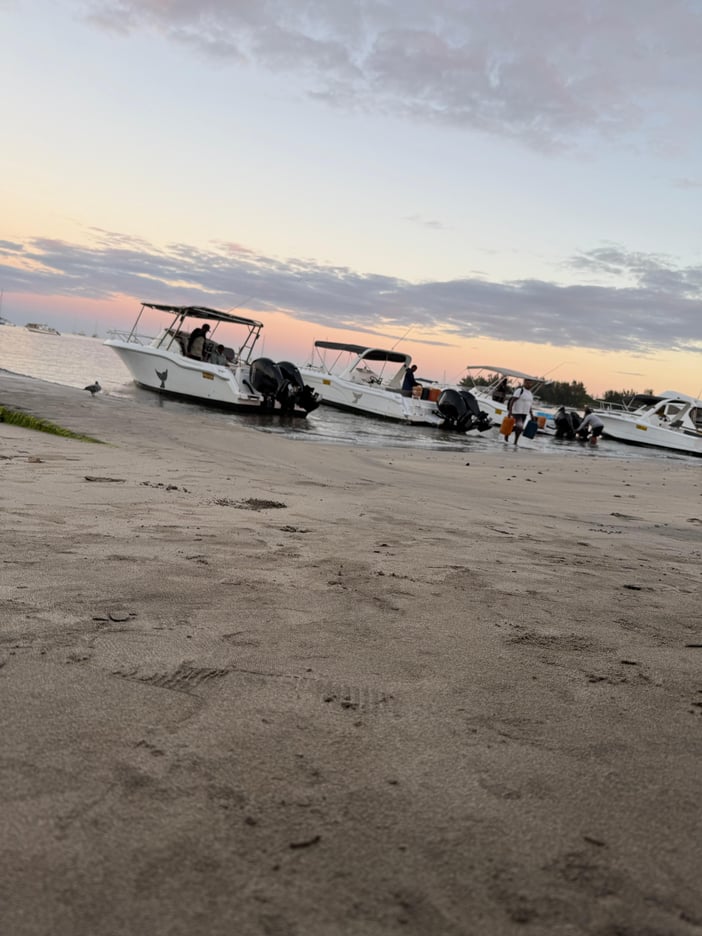
Arrive at least 15 minutes before departure, as one tour asks. The main meeting point in Black River sits on La Jetée Road in Grande Riviere Noire, facing Ruisseau Creole, where the coastal road runs straight down to the sea. Boarding means wading, so wear water shoes and bring your ID if the tour asks for one.
RecommendedWear swimwear under quick-drying clothes, pack a windbreaker for the ride back and take motion sickness tablets about an hour before boarding
ImportantBring your passport or ID card where the tour requests it, since some private departures check it before boarding
What whale watching in Mauritius reviews say from travelers
Most reviewers praise the guides, saying the crew kept a respectful distance from dolphins and whales throughout.
Best surprise
Several travelers loved how the crew was honest from the start that wildlife sightings are never guaranteed.
Most common wish
A few families wished the trip ran its full booked time with the drinks on board they had counted on.
A short, focused whale watching trip from Black River
Most outings here pair whales with dolphins. This one keeps it simple: a 2.5-hour speedboat run along the west coast, whales only, no swimming stops. Sperm whales live off Black River all year, and humpbacks arrive between June and October.
The crew shares drinks and facts about the animals as you watch from the deck. If your day is short, your budget is modest, or you would rather stay dry, this trip fits.
Whales, just whalesThe boat goes straight out for sperm whales year-round and humpbacks in season, with a 60% chance of a sighting.
Trusted by hundredsThe tour holds a 4.4 rating from 91 travelers, with life jackets, soft drinks, and a briefing from the crew included.
Stay dry, stay comfortableWatching happens from the boat only, so non-swimmers and pregnant travelers can join, and free cancellation covers the plan.
Cancellation is free up to 24 hours before, so you can hold a morning spot now and decide later.
What to know before you book a whale watching trip in Mauritius
Can stop the dayGood to knowGood news
01
ChoosingWhat it is, who it suits, when to go
7
Legal hoursCan stop the day
Paid whale and dolphin watching may only run between 6 am and noon, which is why departures cluster around sunrise. The early slot also buys you the calmest sea of the day before the trade wind builds.
Seasickness
Once the boat crosses the reef, you meet open ocean swells. Take motion sickness tablets about an hour before departure, since pills work far less well once symptoms start. A patch needs applying the night before.
Boat types
Speedboats and cabin cruisers reach whales fast and track them closely, at the cost of a bumpier, wetter ride. Catamarans handle the swell better and suit anyone sensitive to motion. Match the hull to how you travel.
Included
Tickets normally cover the skipper, life jackets, water or soft drinks, and often snorkeling gear. Hotel pickup, meals and conservation fees are the usual extras, so check what your chosen tour leaves out.
Other boats
Sighting zones can hold 15 to 20 boats at once, and a private charter does not guarantee solitude at the whales. Arriving on an early departure puts you there ahead of the crowd.
Finding whales
Skippers talk to each other by radio and lower a hydrophone to catch the clicks of submerged sperm whales from several kilometres away. The crew works the search for you, which is half the experience.
Restrooms
Toilets come with some boats and not others. Cabin cruisers have a marine toilet on board; small speedboats usually do not. Sort it out before you book if a long morning matters to you.
02
BookingHow far ahead, and what happens if plans change
1
Cancellation
The tours here let you cancel up to 24 hours in advance for a full refund. Bad weather is handled too: heavy swell warnings stop boats leaving the reef, and operators reschedule affected trips.
03
Before you goPapers, health, what to bring
2
Age limitsCan stop the day
Most open-ocean speedboats take children from about 4 years old, and several do not carry babies at all. Pregnant travelers are advised against these trips on many boats, and some tours also set a fitness bar. Read the limits on the tour you pick before you commit.
What to bring
Spray soaks passengers and seat cushions outside the reef. Pack these:
Swimwear under quick-drying clothes
A windbreaker or light waterproof jacket
Towel and a spare set of dry clothes
High-SPF sunscreen, sunglasses and a secure hat
A dry bag or phone pouch for valuables
04
During the tourWhat is expected of you
2
Swim rules
Swimming, diving or snorkeling with whales is prohibited by Mauritian law, and every whale encounter happens from the boat. Dolphin swims are legal under strict rules, so tours that combine both follow two very different rulebooks.
Tipping
Tipping crews is discretionary but customary after a good day out. If you do tip, hand over Mauritian rupees; foreign notes are awkward for crews to change.
The honest guide to whale watching in Mauritius
Sperm whales live off Mauritius every month of the year, and boats reach their deep water in under an hour. What the odds, the sea and the rules do to your day is what this decision turns on.
If you only remember three things
1
Book a departure between 6 and 8 am, because the sea flattens at dawn and paid trips must end by noon.
2
Regular outings find whales about 60% to 70% of the time, rising above 80% in September and October.
3
Swimming with whales is illegal in Mauritius; dolphins can be swum with under strict limits.
Is whale watching in Mauritius worth it?
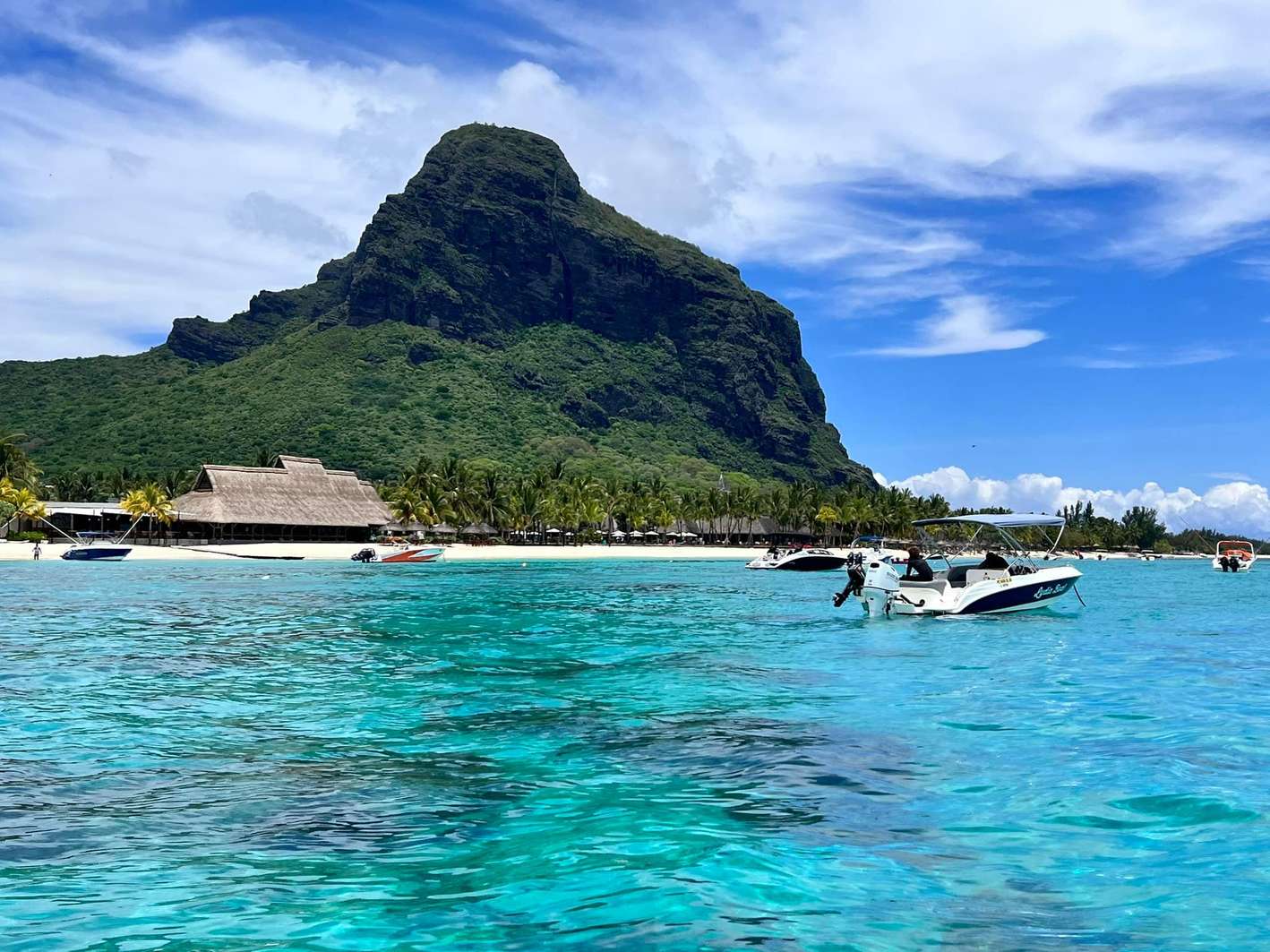
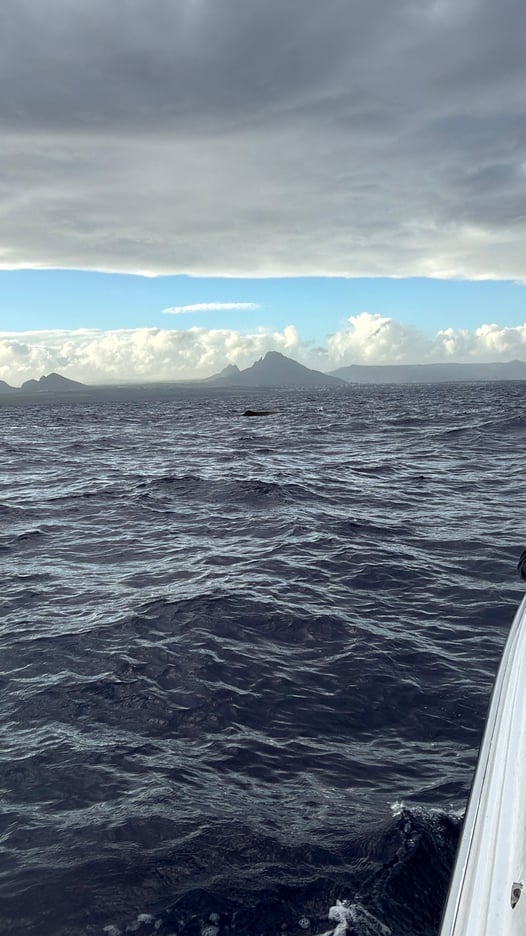
The doubt usually starts with the map. Mauritius is a small volcanic island, and it hardly seems big enough to hold whales. Then you look at what sits off its west coast: the seabed drops away fast, a few kilometers out, into water deep enough for sperm whales to hunt squid year-round.
That geography does two things for you. Boats reach whale territory in 15 to 60 minutes, so most of a half-day trip goes to time with the animals. And the west coast sits in the island's wind shadow, which keeps the morning sea flatter than you would expect from the open Indian Ocean.
The odds are honest. A standard outing finds whales on roughly 6 or 7 trips in 10. During the September and October humpback peak, that climbs above 8 in 10. Dedicated sperm whale searches outside the migration run sit lower, around half of trips.
So the answer is yes, with one condition: go in the morning and pick your month, because the whales are resident but the sea and the season decide how your day feels.
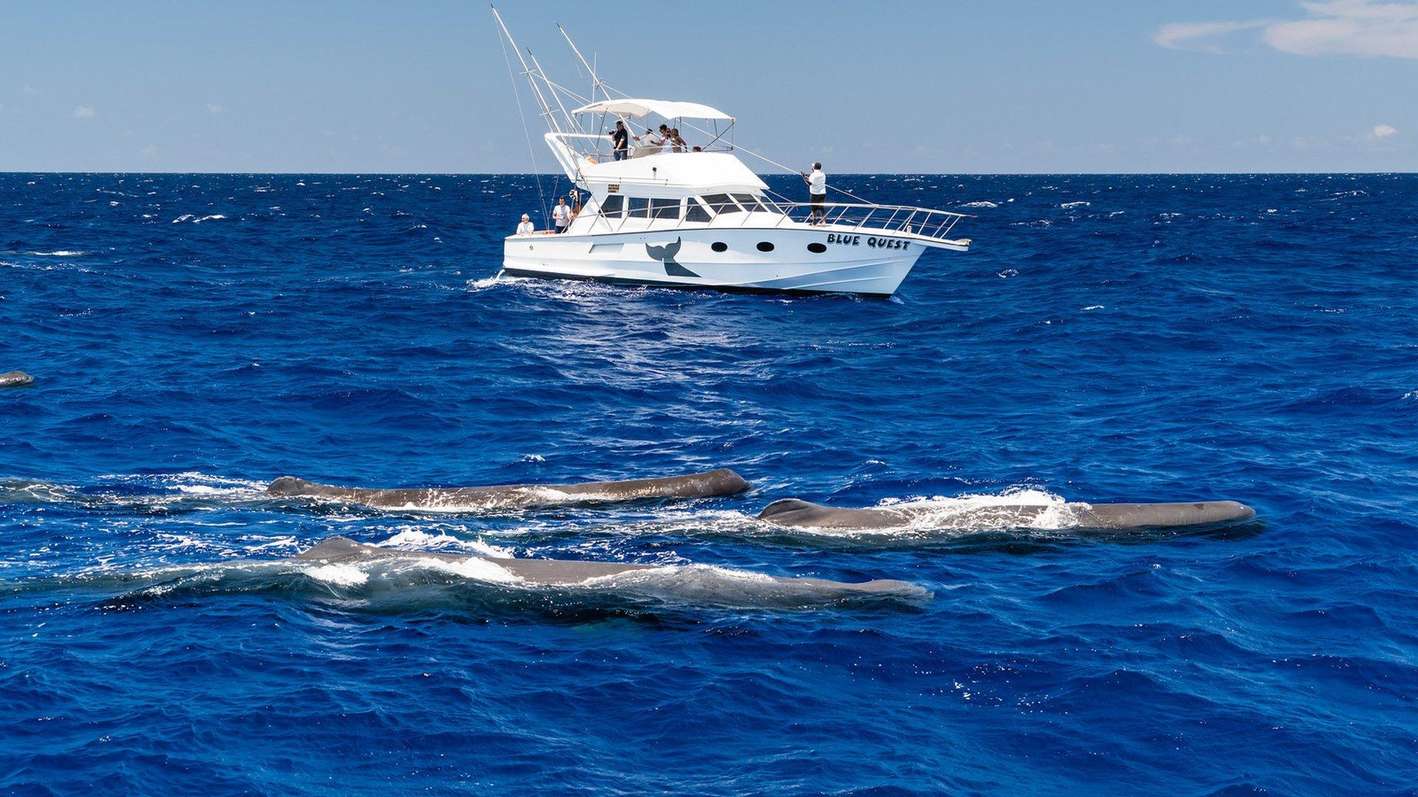
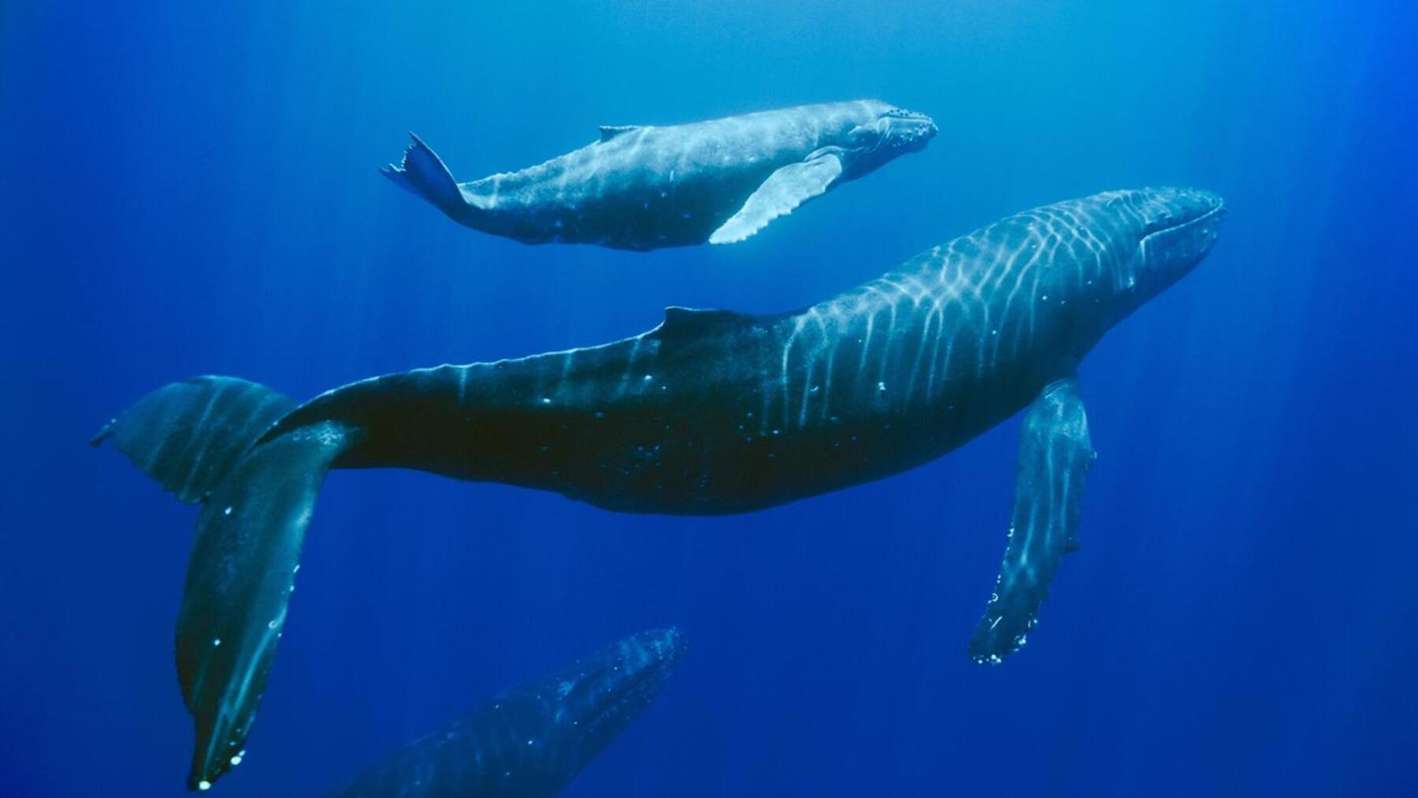
Sperm whales carry the season. They live off the west coast in every month, often in family pods with calves that stay close to the shelf through the dry season. When one surfaces, you see the blow first, a tall angled puff that crews use to find the animal in the first place.
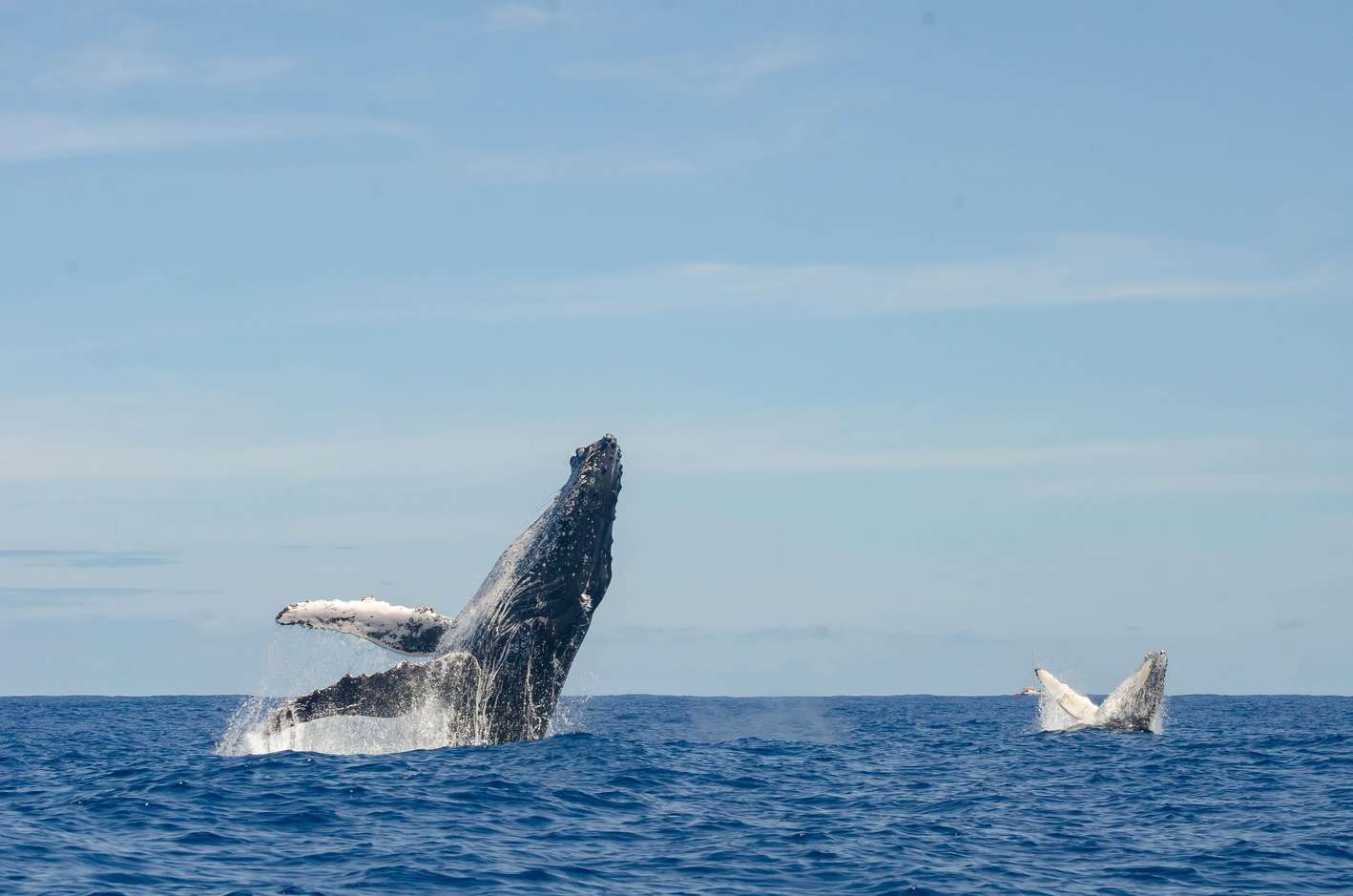
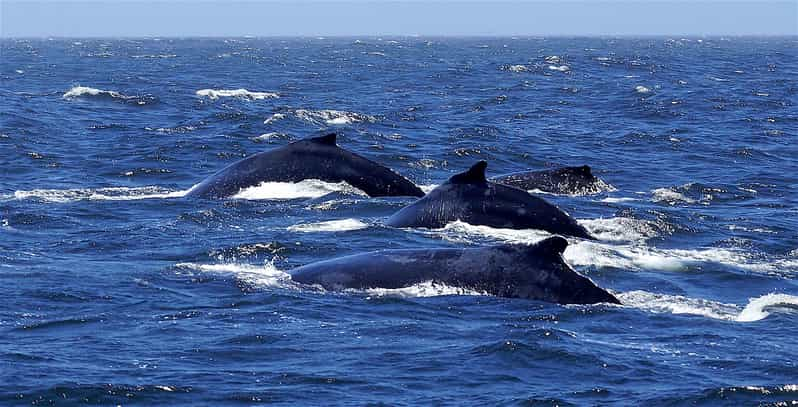
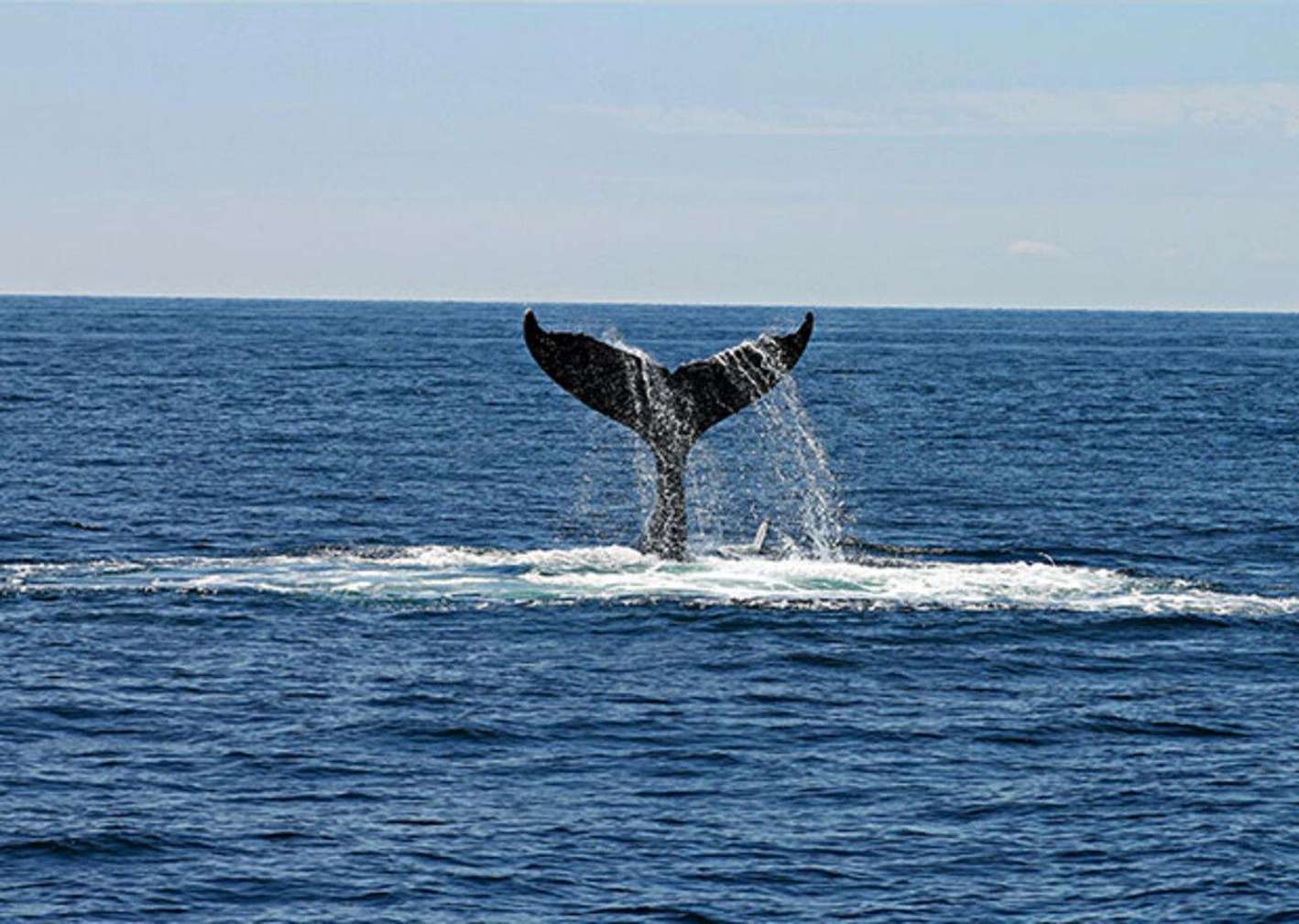
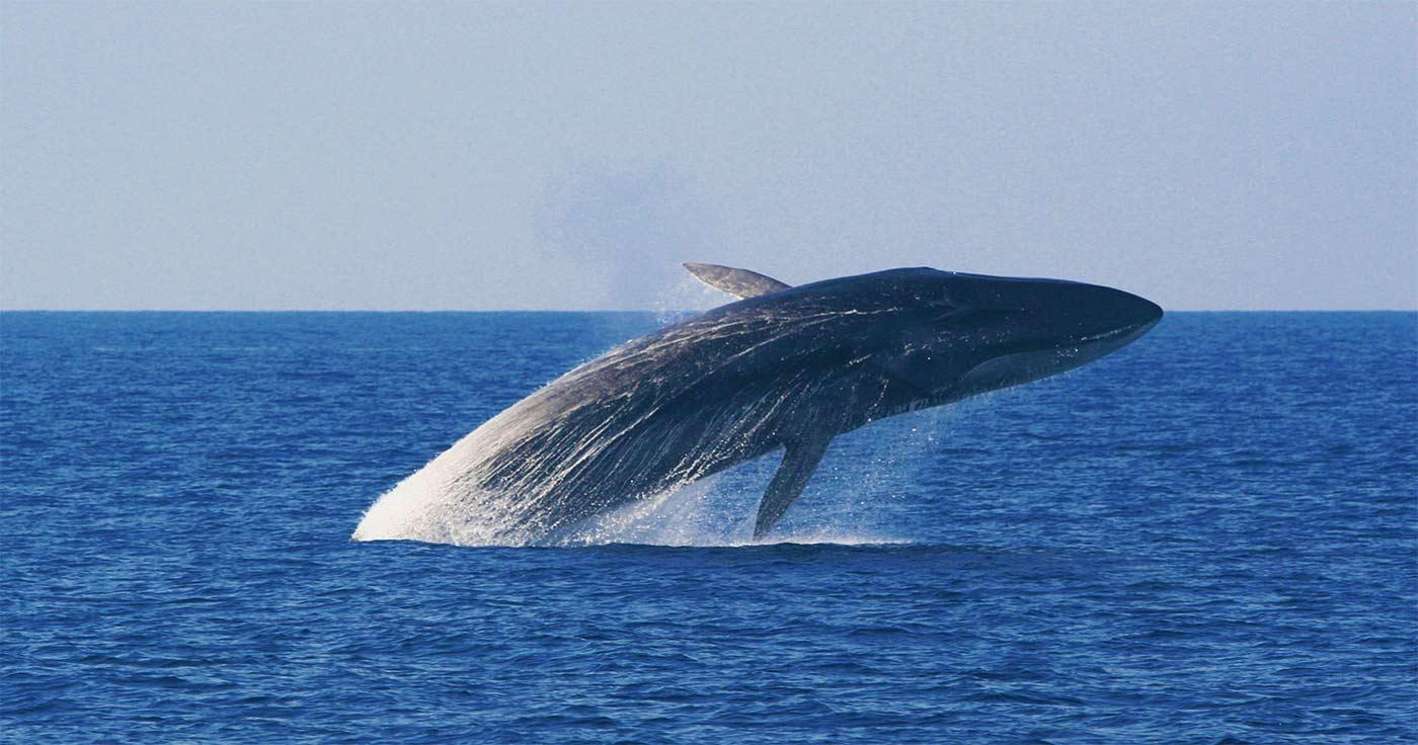
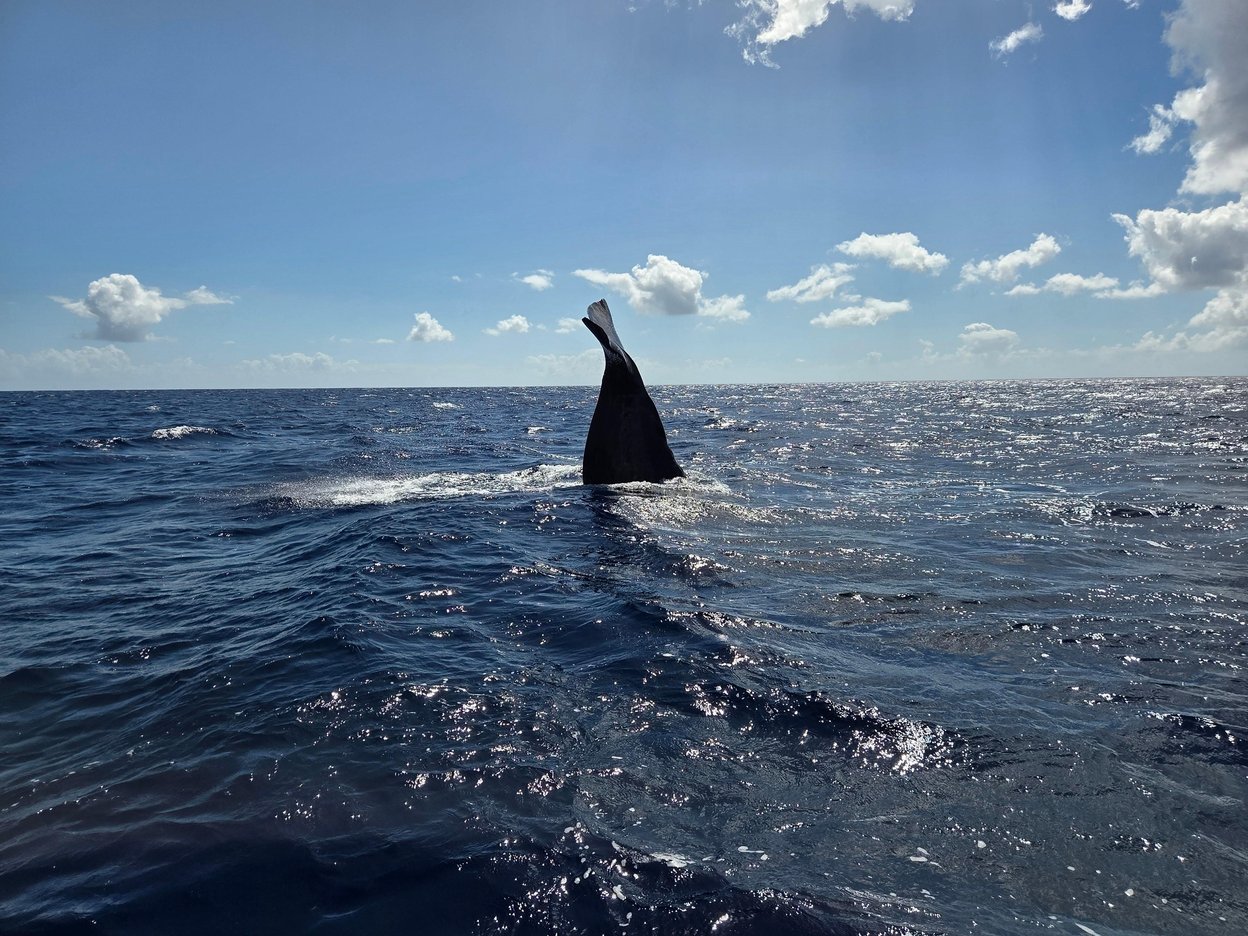
Humpbacks are the winter guests. They pass Tamarin between June and October, heading north and south through the deep channel, and in the peak months they breach and slap the surface in ways sperm whales never do.
Finding a submerged sperm whale is a skill worth watching. Crews lower a hydrophone probe into the water and listen for the animals' clicking, which carries for several kilometers. Skippers also talk to each other over radio, sharing positions as the pods move.
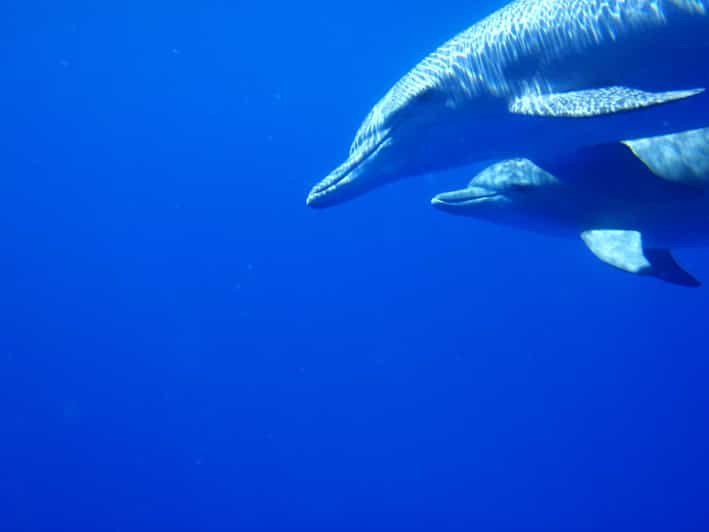
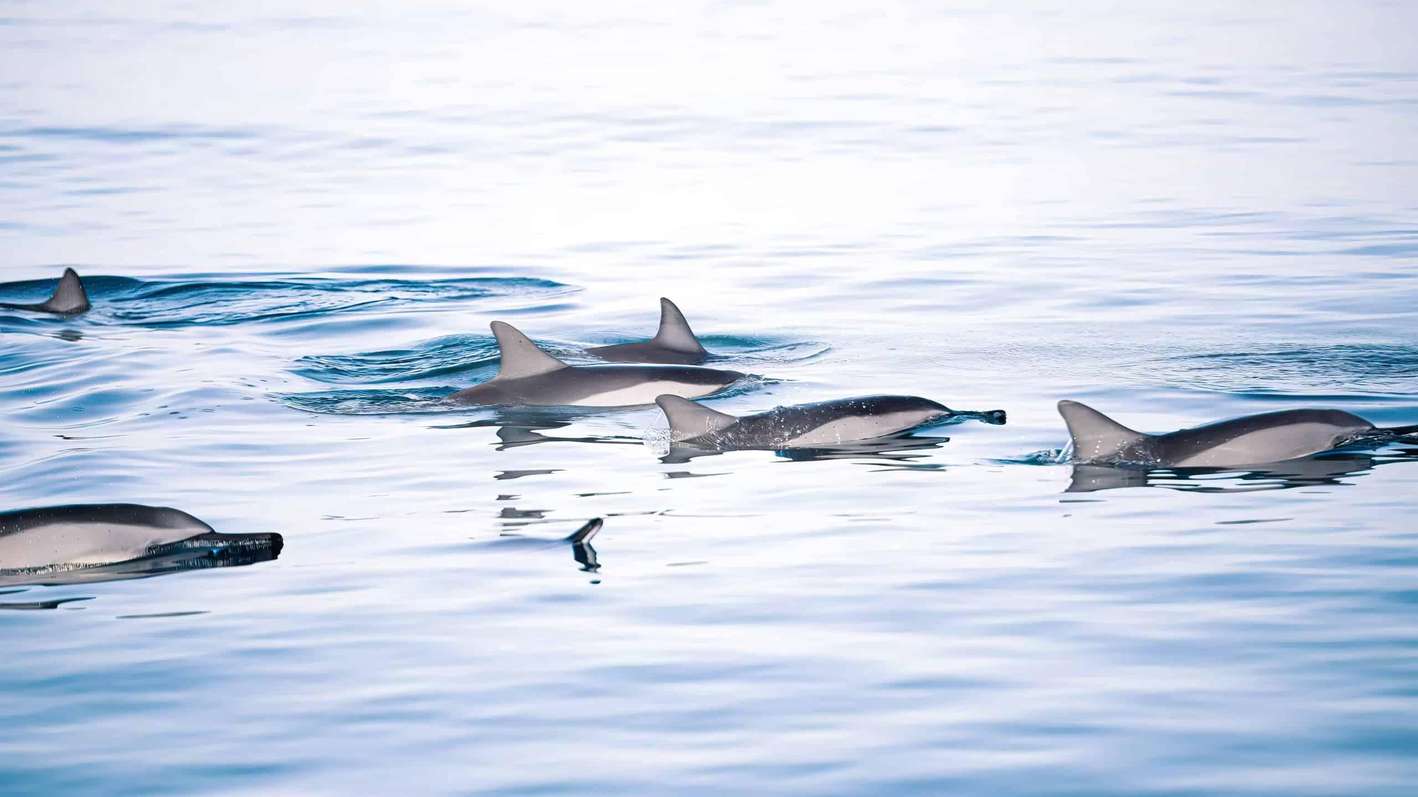
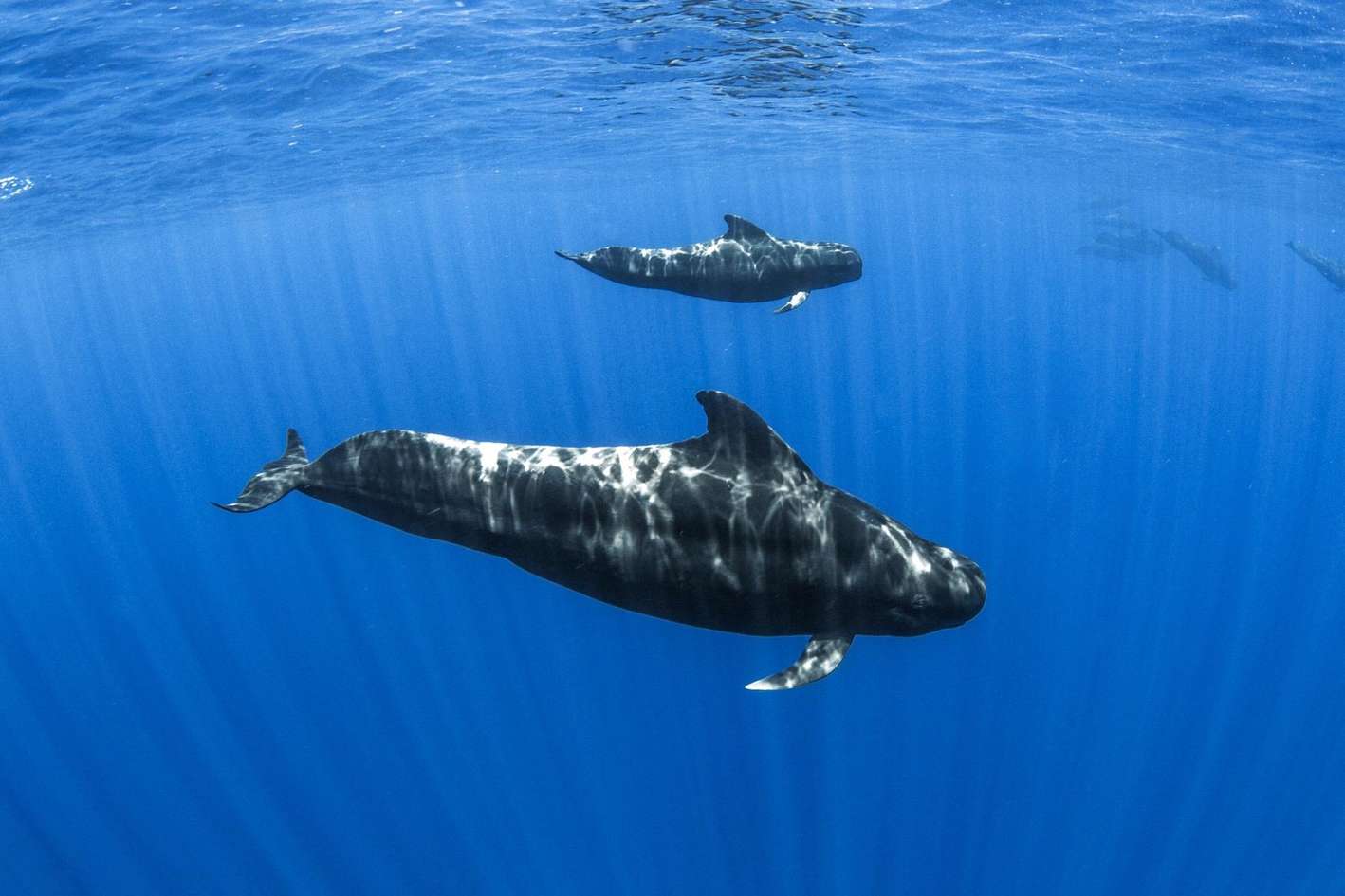
Spinner and bottlenose dolphins are the reliable morning act. They gather in sheltered bays like Tamarin to rest after hunting offshore at night, so a dawn boat meets them before they move into deeper water.
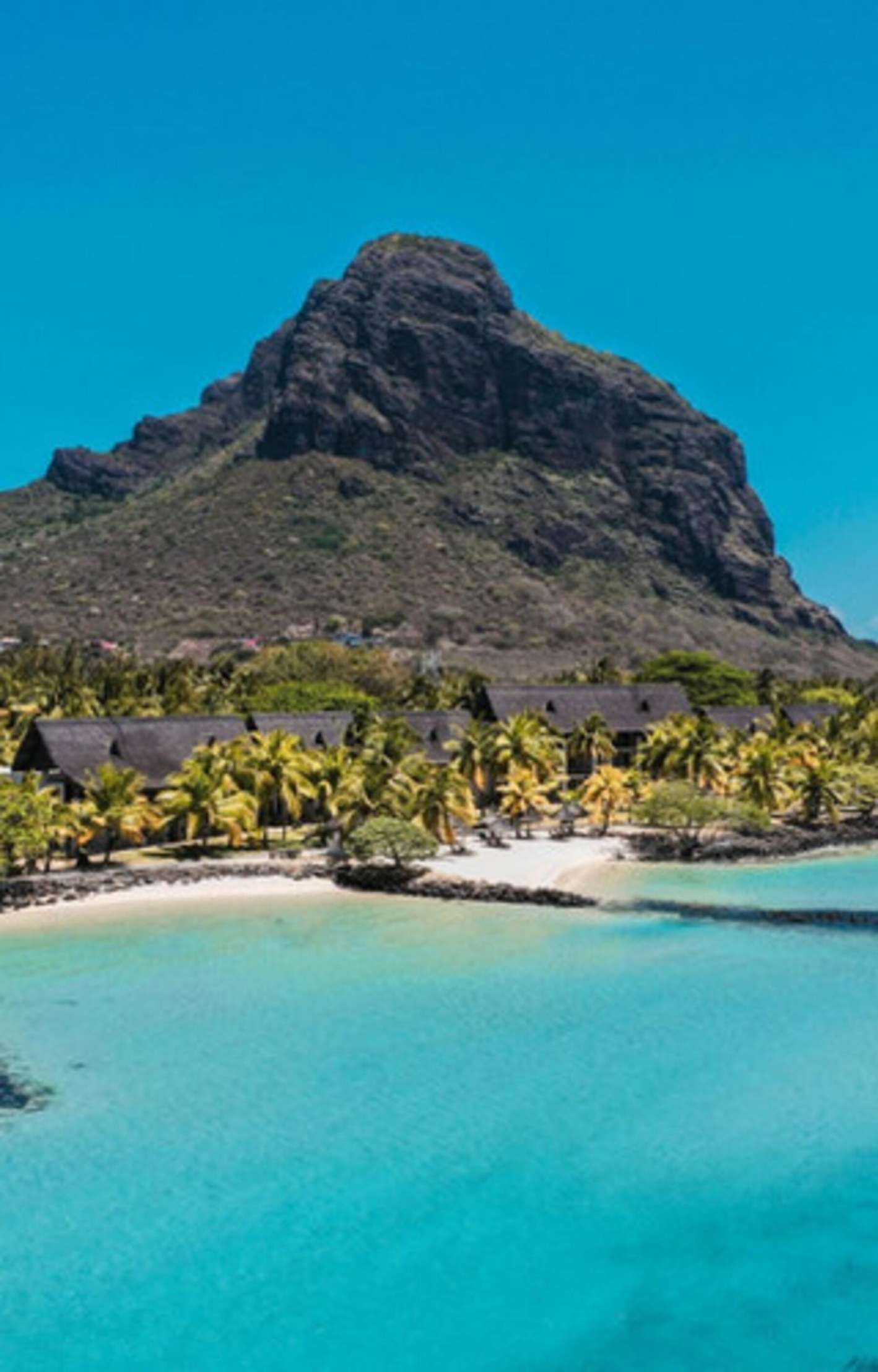
One rare extra: whale sharks occur in Mauritian waters, mostly reported in the north, but sightings are irregular. Treat one as a gift if it happens. And on calm mornings, whales sometimes pass close enough to the reef that people spot the spout from the beach at Flic en Flac or Le Morne.
Two calendars run at once here, and they pull in different directions.
The whale calendar peaks in winter. Humpbacks arrive from June, build through August, and fill September and October, when sighting odds climb past 8 in 10. Sperm whales, meanwhile, show up all year, so a July or November trip still gets its chance.
The sea calendar runs the other way. From November to April, more than half of days sit calm outside the reef, with peak waves around a meter and a half.
May through August brings the trade winds, calm days drop to fewer than half, and the swell outside the reef builds noticeably. Winter mornings still work, but the ride out is wetter and livelier.
A second consideration follows from the swell: boat type matters more in winter. Big catamarans soak up the swell best and suit travelers who hate a bumpy deck, while speedboats and cabin cruisers track the whales faster at the cost of spray and pounding. Calm months let you pick on price and pace instead.
Sea conditions and tour traffic off Black River by month
September is the peak month for tour bookings, featuring dry weather and improving sea conditions.
HighestMay to Jun, Sep to Nov
In betweenAug
LowestJul, Dec to Apr
Darker: a higher how busy it gets score, out of 5
Tap a month to read it.
December is the quietest month on the water with the calmest swells and lowest waves of the year.
HighestFeb to Mar, Nov to Dec63 to 75% of days
In betweenJan, Apr, Sep to Oct51 to 62% of days
LowestMay to Aug39 to 45% of days
Darker months: higher, from 39 to 75% of days
Tap a month to read it.
May sees crowds build while winter trade winds increase open-ocean swell outside the reef.
HighestMay to Sep1.6 to 1.7 m
In betweenJan, Apr, Oct1.5 m
LowestFeb to Mar, Nov to Dec1.3 to 1.4 m
Darker months: higher, from 1.3 to 1.7 m
Tap a month to read it.
May sees crowds build while winter trade winds increase open-ocean swell outside the reef.
HighestFeb, Apr to Jul2 to 2.8 days
In betweenJan, Aug1.6 days
LowestMar, Sep to Dec0 to 0.8 days
Darker months: higher, from 0 to 2.8 days
Tap a month to read it.
Pick your trade: peak humpback numbers on a livelier sea in winter, or resident sperm whales on the flattest water of the year in December.
Tour for this
Black River: Dolphin Swim and Whale Watching by Speedboat4.6★ (760) · 5 hours · Free cancellation
Is morning or afternoon better for whale watching?
Morning wins, and the reason is visible from the beach. The trade wind picks up around 8 am, and from that point the open sea grows choppier hour by hour.
A 6:30 departure crosses the reef pass while the water still lies flat, which makes both the ride out and the whale blows easier to read.
The law adds a hard edge to this. Paid whale and dolphin watching in Mauritius may only run between 6 am and noon, so there is no afternoon option to weigh. Boats that leave late burn their window on rougher water and less time with the animals.
Early departures carry a second benefit on the dolphin side of the day. Spinner dolphins come into Tamarin Bay at dawn to rest after hunting all night, so a 6:00 or 7:00 launch meets them before the powerboats arriving from other parts of the island crowd the bay.
The afternoon, by contrast, belongs to other plans: the beach, the lagoon, a long lunch. Nobody who runs these waters argues for it.
Sea conditions and wind by time of day
Early morning Peak6 am to 8 am
Calmest sea and flattest water before trade winds pick up.
Mid-morning8 am to noon
Breeze strengthens and open water begins to develop chop.
Afternoonnoon to 4 pm
Trade winds create noticeably choppier water and rolling swells offshore.
QuietBusyThe busiest
The 6 to 8 window is the whole trip. Anything later means rougher water and less time with the animals.
How do you choose between the shared boats and private charters?
The formats split cleanly, so the choice usually comes down to who you are traveling with.
Shared speedboats run fixed routes on fixed timetables and carry roughly 10 to 20 passengers, sometimes more. The skipper and guide, life jackets, and water or soft drinks come standard; meals and hotel pickup usually do not. They are the cheapest way onto the water and perfectly good for a first sighting.
Private charters reserve the boat for your party, typically 2 to 8 guests. You set the departure time, the snorkeling spots and the pace, and you get an uncrowded deck instead of competing for railing space. Snorkeling gear is generally provided, and on longer charters an extra crew member handles food and drinks.
Duration follows the format. A dedicated whale watch runs 2.5 to 3 hours, a dolphin-and-whale combo around 3.5 to 4, and a full day with an island barbecue can stretch to 8.5 hours.
The Mauritius: Private Whale Watching Tour takes the middle path, a 4-hour private run with a licensed Mauritian skipper that cruises out of Flic en Flac into the offshore deep water.
Typical excursion durations from departure to return
3 hoursstandard whale watching trip
4 hoursdolphin and whale encounter
8.5 hoursfull-day tour with island barbecue
One honest caveat: no format guarantees a quiet ocean. Other boats share the sighting zone, even on a private charter.
Tour for this
Ocean Symphony: The Dolphin & Whale Encounter Experience3.9★ (114) · 7.5 hours · Hotel pickup · Free cancellation
How do you get to the Black River and Tamarin boats in time?
The departure is the hard part of the day. Most trips launch around 6:30 to 7:00, and public buses simply do not run early enough or connect well enough to get you to a jetty by then. A taxi or rental car is the realistic option.
The drive depends on where you sleep. From Flic en Flac, boats in Tamarin and Black River sit about 20 to 30 minutes south. From Le Morne, count on 25 to 42 minutes north along the coastal road, depending on which end of the peninsula your resort occupies.
From Grand Baie in the north or the east coast resorts, the transfer runs closer to 75 to 90 minutes, which means a very early alarm.
A workaround saves some of that: certain tours depart and return directly from Flic en Flac, so if you are staying there you can skip the shuttle entirely.
Boats leave from marinas, jetties and beach launch points along the coast. The Black River meeting point sits on La Jetée Road in Grande Riviere Noire, and La Balise Marina is nearby. At Le Morne, skippers often wait just inside the reef, across from the casuarina trees, and you meet them on the sand.
Drive times to Black River whale watching departures
What should you wear and pack, and what about seasickness?
Expect to get wet before you even board. Boarding often means wading through shallow water to reach the boat, so water shoes or secure sandals earn their place; most passengers go barefoot on deck. Once outside the reef, spray and wind chill become the real issue, which is why quick-drying clothes beat cotton every time.
Sun is the other enemy. Open speedboats offer limited shade, and the glare doubles off the water, so high-SPF sunscreen, sunglasses with a strap and a hat that will not fly off at speed are not optional.
Seasickness deserves respect. The water outside the reef rolls with oceanic swells, and medication only works if it is in you before the motion starts. Take an oral remedy about an hour before departure; a scopolamine patch needs to go on 8 hours ahead. After symptoms begin, most pills absorb too slowly to help.
A tip for the return leg, the part people forget: pack a light windbreaker, because the fast ride back into the wind turns cold once your swimwear is soaked.
Clothing and dry storage gear to pack
Windbreaker or rain jacketOpen-ocean spray and fast travel outside the reef create wind chill, especially on the ride back.
Dry bag or waterproof pouchProtects phones, cameras, and valuables from heavy salt spray and wet seat cushions on the boat.
Swimwear under light layersOperators advise arriving in swimwear under light clothes that dry quickly if splashed by spray.
Change of dry clothesRough water often leaves passengers soaked, making dry clothes welcome once back on shore.
TowelOperators ask guests to bring their own towel to dry off after ocean spray or lagoon swimming.
Hat with a secure strapShields against strong tropical sun while staying secured against strong winds at high boat speeds.
Leave the valuables in the hotel safe and bring rupees in small notes for the crew at the end.
Can you swim with whales or dolphins in Mauritius?
The law here draws a line that surprises many visitors.
Dolphins: yes, within limits. Paid dolphin swims run only from 6:00 to 9 am, no more than three swimmers may enter the water at once including the life-saver, and everyone wears a life vest or buoyancy aid. You enter smoothly, without splashing, and touching or feeding the animals is prohibited.
Whales: never. Swimming, diving or snorkeling with a whale is strictly banned, and no operator can lawfully offer it.
Everything happens from the boat, and the boat itself must stay at least 100 meters off, with a regulated buffer that can reach 200 meters. Skippers approach from the side, run at no-wake speed, and keep engines in neutral when stopped.
The penalties are serious: violations of the marine wildlife rules can cost up to 100,000 rupees and three years in prison. That is why licensed boats carry certified skippers and approved propeller guards.
If an operator on the beach offers you a swim with a whale, that offer tells you everything about the boat you are about to board. Walk to the next one. Crews that run a tight, licensed operation tend to give the better encounters anyway.
Is dolphin swimming in Tamarin Bay ethical?
Tamarin Bay is where the ethical question gets sharp. Spinner dolphins return there every morning to rest and socialize after hunting all night, and this is exactly when the boats arrive. On busy days, 20 to 25 vessels circle the same pods at once.
The cost is not abstract. Chasing pods stresses mothers and calves, breaks their rest cycle, and has pushed some dolphin groups out of the bay entirely. Repeated disturbance shows up in their health and reproduction.
So how do you tell a good crew from a bad one? Watch the approach. Responsible operators cut their engines, hold the legal 50-meter distance, and never encircle a pod.
In the water, one small group at a time goes in with a guide; the boat does not empty at once. Bad boats rev, zigzag and chase.
An early private departure also works in your favor: boats leaving around 6:30 to 7:00 reach the bay before the mass of tourist traffic builds, and the encounter ends before the water turns into a scramble.
A traveler's note
Dolphin and whale tour with Pascale and Thomas was amazing. Friendly, professional guides who respected the animals. Five ocean swims, loads of wild dolphins, several whales, plus snorkeling with beautiful fish. Unforgettable!
That is the version worth paying for, and the one good crews run without being asked.
What happens if the sea turns or the whales don't show?
Two different things can go wrong, and they have different answers.
The first is weather, and it is governed from above. When the Mauritius Meteorological Services issues a heavy swell warning, at 4.0 meters of swell or more, the National Coast Guard prohibits pleasure craft from going out, and authorised officers can order boats ashore whenever conditions look unsafe.
In practice, trips into open water are called off when winds pass 25 knots or waves top 2 meters. When this happens, tours are rescheduled for another day, so build a spare morning into your itinerary if you can.
The second is silence: the boat sails, the sea is fine, and no whale appears. Sightings in open water are never guaranteed, and a trip can end with zero sightings and no recourse, even on a private charter.
The crew will spend the full time searching, sometimes using hydrophones and radio networks, and that is the best anyone can promise.
When the day changes
If this happens
What happens then
Heavy swell warning of 4 meters or more
The Coast Guard keeps boats ashore and the trip is rescheduled for another day
Winds over 25 knots or waves over 2 meters
Open-water trips are called off and can be rebooked
The boat sails but no whale appears
Sightings are never guaranteed and the outing ends with no recourse
You cancel ahead of time
Most tours refund in full when you cancel up to 24 hours in advance
Book early in your holiday either way, so a washout day can be replaced, and treat a sighting as the reward, with the sea as the variable.
What else is worth doing around Black River and Le Morne?
A whale morning leaves the whole day open, and the west coast fills it well.
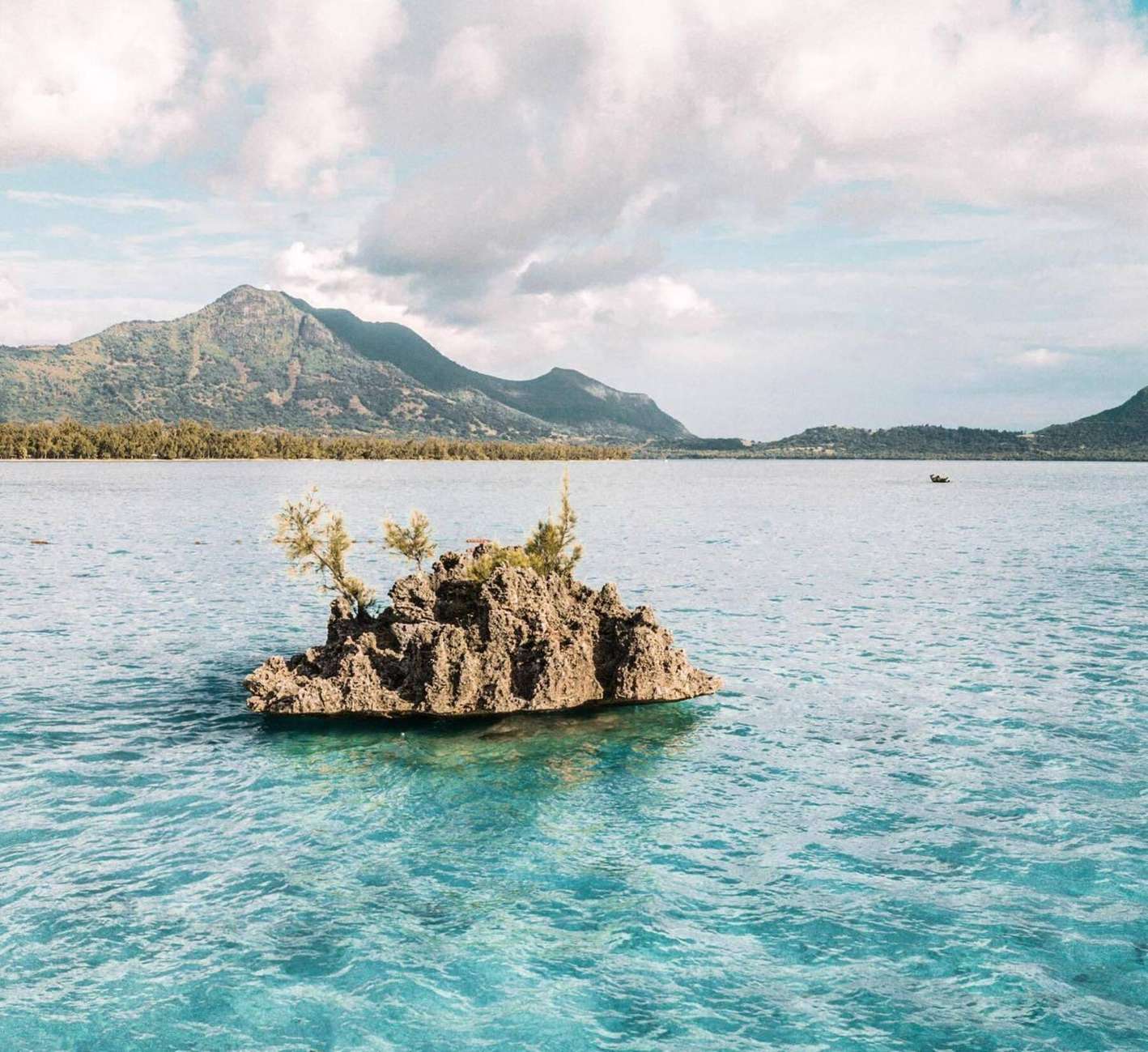
The classic pairing is on the water itself: after the whales, boats run to Crystal Rock, an old fossilized coral formation standing in the Le Morne lagoon, for photos and a snorkel, then on to Île aux Bénitiers for a barbecue lunch.
A combined excursion from Le Morne packs all of it into about 8.5 hours. Know that the island gets busy at midday, when every tour boat lands at once and the barbecue turns into a buffet line.
On land, the options fan out. Black River Gorges National Park holds about 60 kilometers of hiking trails, and Chamarel adds the Seven Coloured Earth Geopark, its waterfall and a rum distillery that runs tastings. Ebony Forest Reserve has restored native forest and a ridge trail with viewpoints.
Staying near Le Morne keeps you close to the lagoon sports: kitesurfing, windsurfing, wingfoiling and paddleboarding all run there, and seaplane flights over the underwater-waterfall illusion leave from La Prairie Beach. Casela Nature Parks, inland, covers the family side with safari tours and zip-lining.
Pick one thing for the afternoon and keep the evening free. You will be tired in the good way.
More to book around Grande Riviere Noire
Live dates and prices
Worth it, with an early alarm
Mauritius delivers on whale watching better than most visitors expect: resident sperm whales minutes from the marina, honest odds around 6 in 10, and a legal framework that keeps the encounter respectful. Go early, pick your month for the sea you can handle, and book a date near the start of your stay.
The morning you spend out there is the one you will retell at dinner.
Go ifYou can manage a 6:30 departure from a west coast baseYou travel between September and October, when humpback sightings top 80%You want wildlife encounters that follow strict local rules
Skip ifYou are pregnant or traveling with a toddler, since open-ocean speedboats are unsuitable for bothYou cannot tolerate a bumpy, spray-soaked boat ride in the winter trade winds
Our pick to book
Black River: Dolphin Swim and Whale Watching by Speedboat4.6★ (760) · 5 hours · Free cancellation
Your whale spotting in Mauritius questions, answered
Quick answers to the questions people ask before booking a boat.
Grande Riviere Noire2026
A sperm whale surfaced 100 meters off our bow at dawn, the sea flat as glass. Book the first boat out, before the wind and the crowd arrive.
Is there whale watching in Mauritius?
Yes. Resident sperm whales live off the west coast all year, and humpback whales pass through from June to October. Boats reach deep water within 15 to 60 minutes of leaving shore.
How likely am I to actually see whales?
Boat tours off the west coast spot whales on roughly 60% to 70% of regular outings. During the September and October humpback peak the rate climbs above 80%. Sightings still depend on the animals, so book with the odds in mind.
How long are whale watching tours?
Dedicated trips run 2.5 to 3 hours from departure to return. Combined dolphin and whale outings take around 3.5 to 4 hours, and full-day trips with an island barbecue lunch can last up to 8.5 hours.
Can you swim with whales in Mauritius?
No. Swimming, diving or snorkeling with whales is strictly prohibited by law. You watch them from the boat, and any operator who says otherwise is breaking the rules.
Can you swim with dolphins on a whale watching trip?
Yes, some tours include a dolphin swim. The law limits each rotation to three swimmers in the water, and the animals set the pace: expect short pass-bys rather than a relaxed float.
What is the best time of day for whale spotting?
Early morning, between 6 am and 8 am. The sea is calmest at dawn, and paid excursions are legally restricted to the hours between 6 am and noon anyway.
Is Mauritius good for whale watching if I get seasick?
The water outside the reef can be choppy, and the west coast trades some stability for speed when tracking whales. Take motion sickness medication about an hour before departure, and mention your sensitivity when booking so the operator can advise on the right boat.
Can pregnant women and small children go on the boats?
Most open-sea speedboat tours advise pregnant travelers against joining, and many do not take children under four. The swell outside the reef, the sun and the lack of shade make it hard going for toddlers. Check the age rules on the tour you pick before you book.
How close do the boats get to the whales?
The law requires boats to stay at least 100 meters from whales and 50 meters from dolphins, with buffer zones up to 200 meters. Skippers approach from the side at no-wake speed and never chase or encircle a pod.
What is included in a standard ticket?
Most tours include a skipper, safety gear such as life jackets, and water or soft drinks. Hotel pickup, meals and snorkeling stops vary by operator, so read the inclusions before you pay.
What happens if we see no whales at all?
It can happen, and there is no recourse for a day with zero sightings. Tours are rescheduled when bad weather cancels a trip, so a morning slot with room to rebook later in your holiday is a sensible plan.
Does whale watching harm the whales?
It can when boats crowd or chase them, which is why the approach rules exist. Licensed operators cut their engines near the animals and keep the legal distances, and choosing one of those boats is the single best thing you can do.
Swim with dolphins, then meet the whales
This five-hour speedboat trip from Black River pairs a dolphin swim with sperm and humpback whale watching, and you can cancel up to 24 hours ahead for free.



 Your best match