
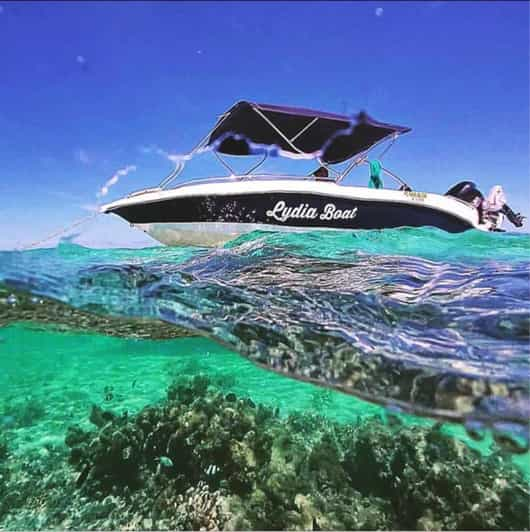
4 hours·French, English
5.0(5)
Le Morne, Mauritius: Eco-Friendly Whale and Dolphin Tour
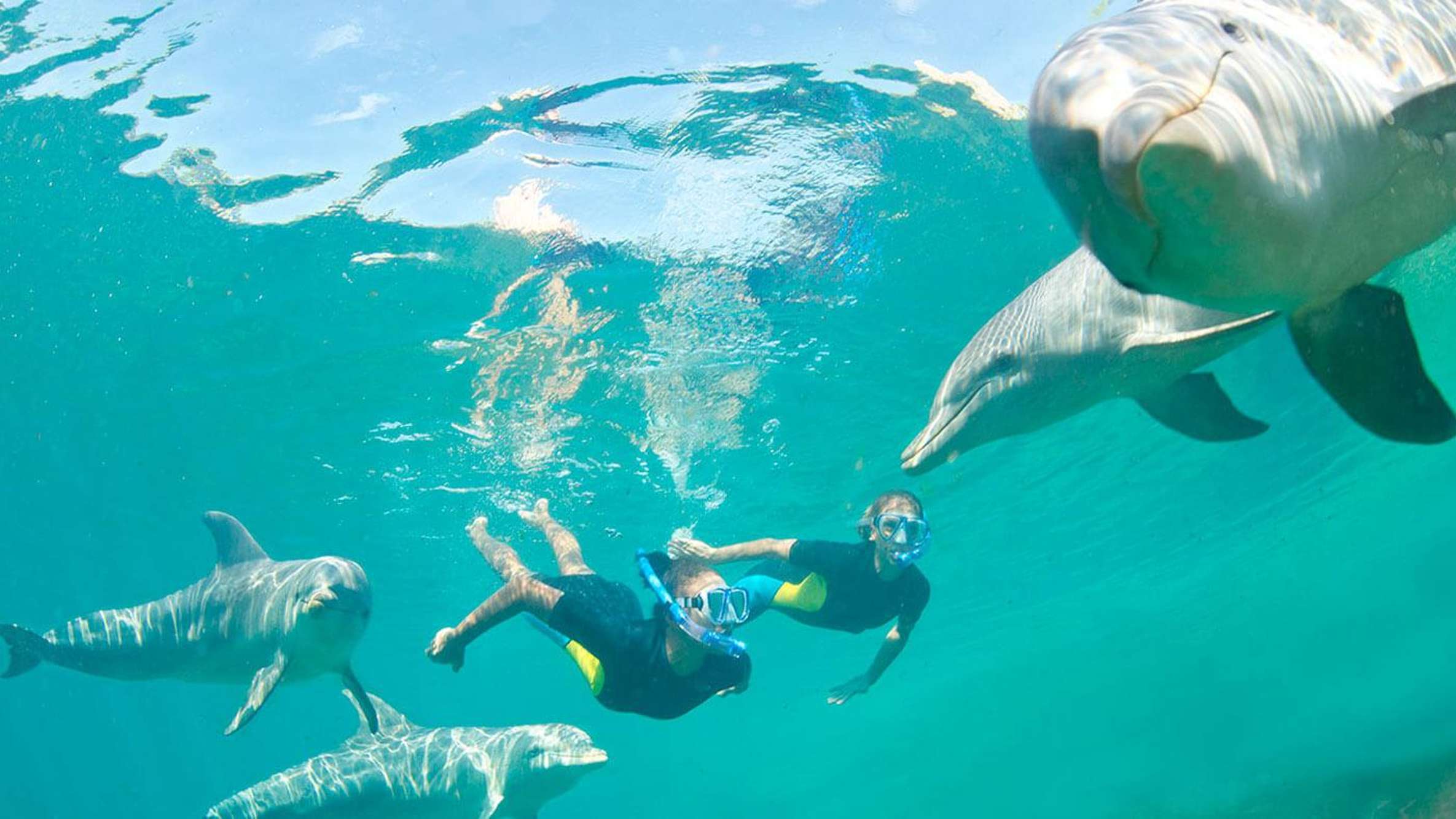
Watch whales on an eco-friendly tourEncounter dolphins in an eco-friendly way

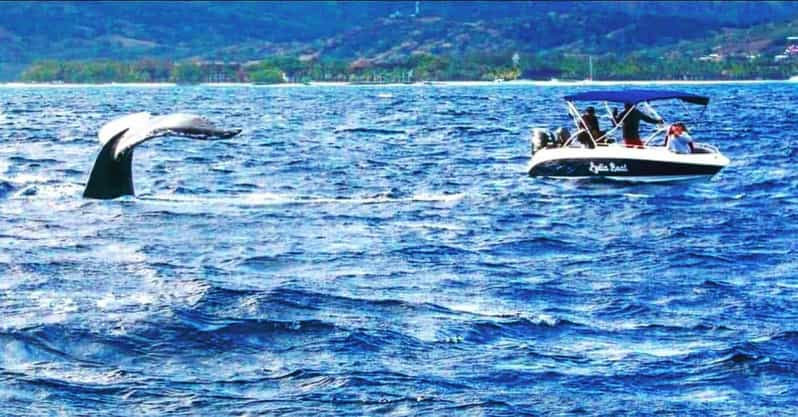
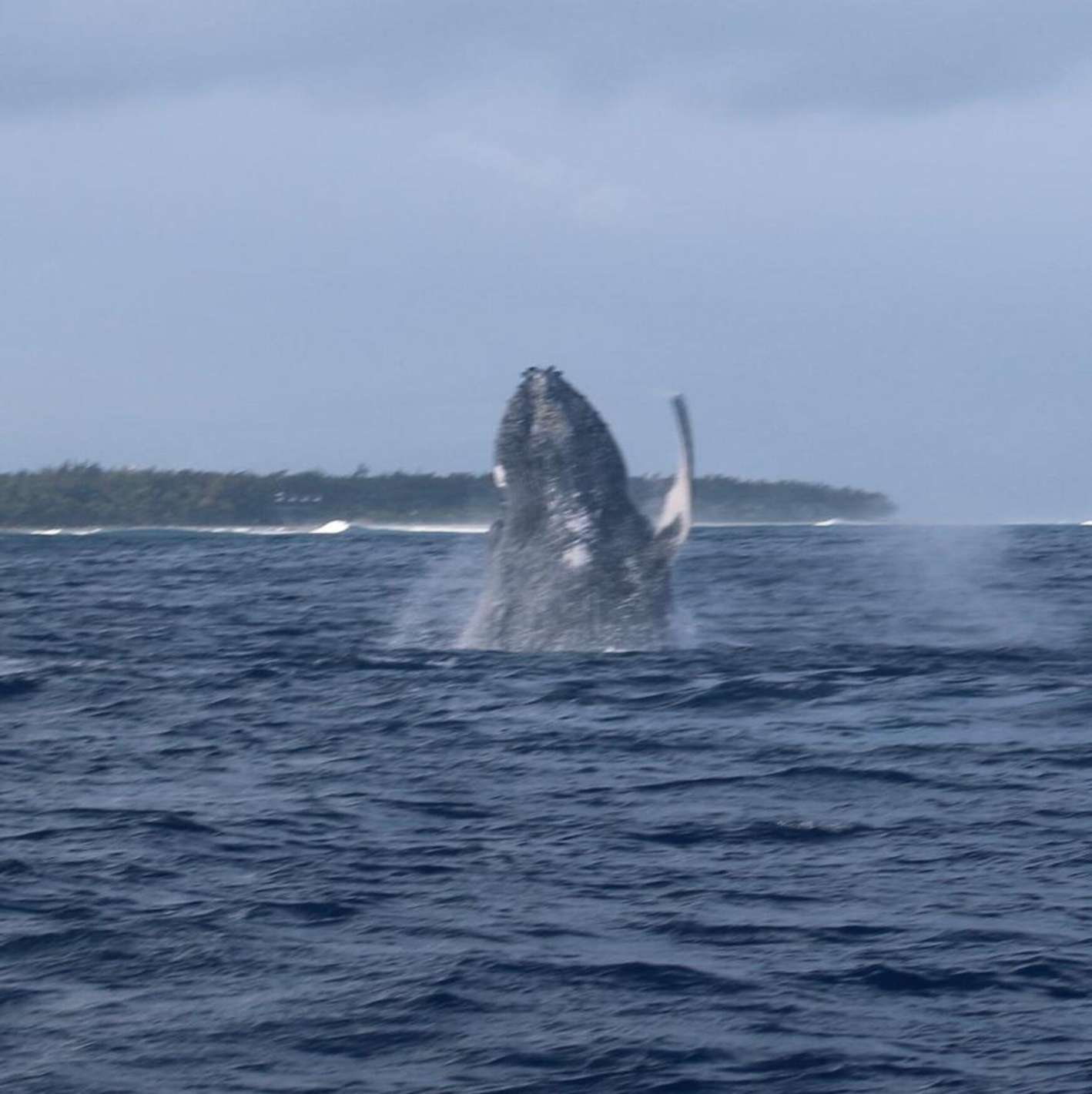
Book a west coast boat trip and go where the seabed drops to 1,000 metres within minutes of shore. Resident sperm whales feed there year-round, humpbacks arrive June to October, and skippers track them by hydrophone clicks from kilometres away. Trips sail from Tamarin, Black River, Flic en Flac and Le Morne, so staying on the wrong coast means a dawn drive first. Pick your base now and keep the sunrise transfer short.
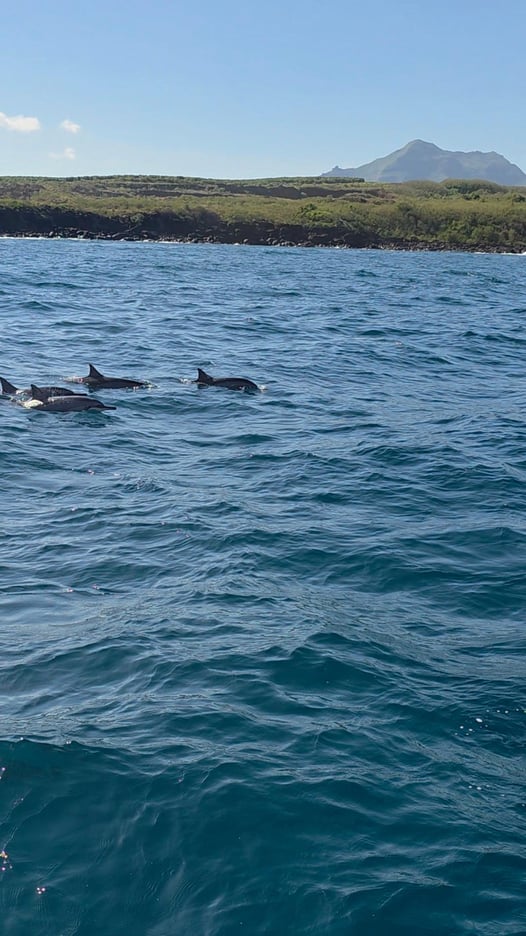
"Great trip. Spotting the whales took a while, but we did see them, with plenty of space left for them. Dolphins were cool, we got to swim really close to them."
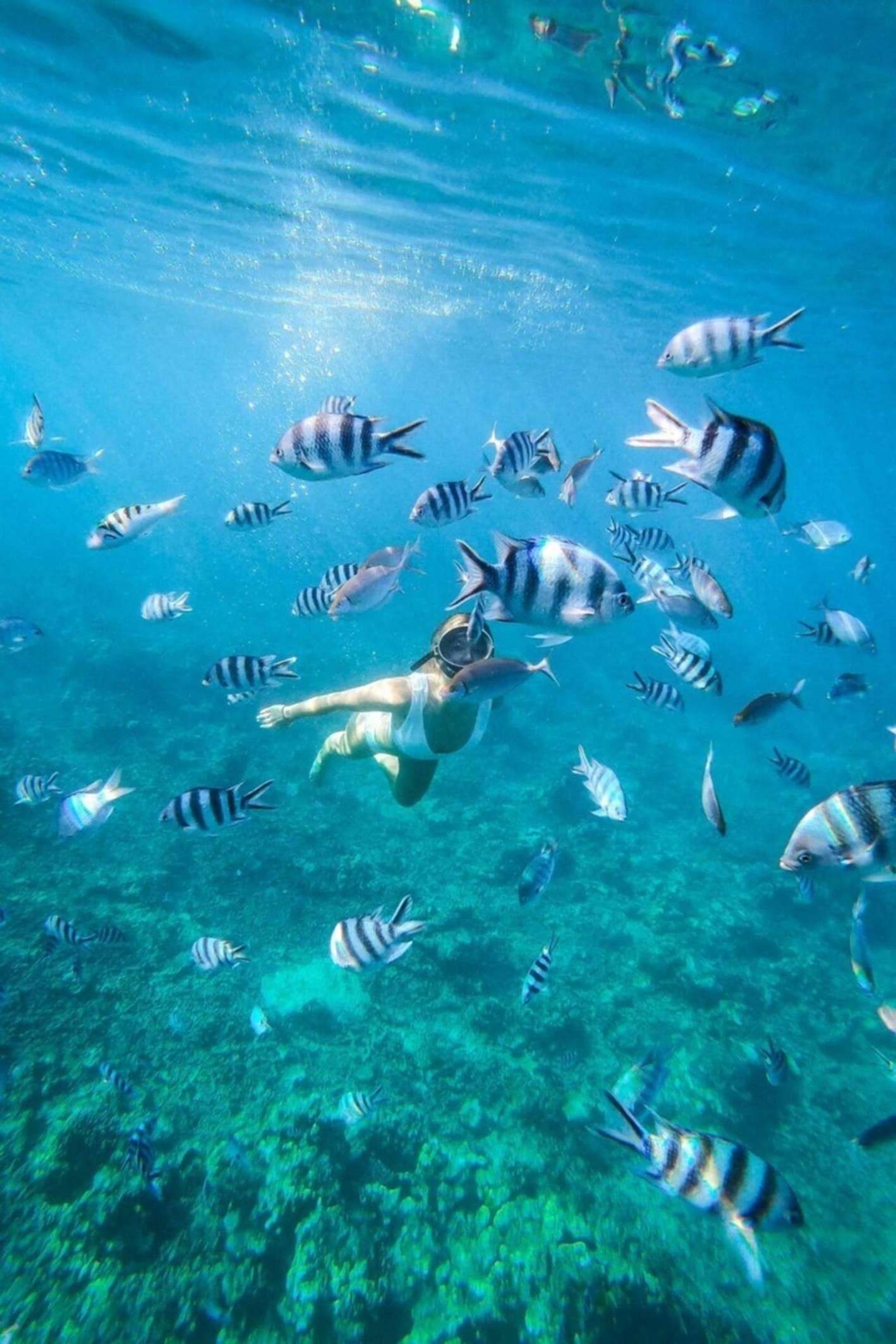
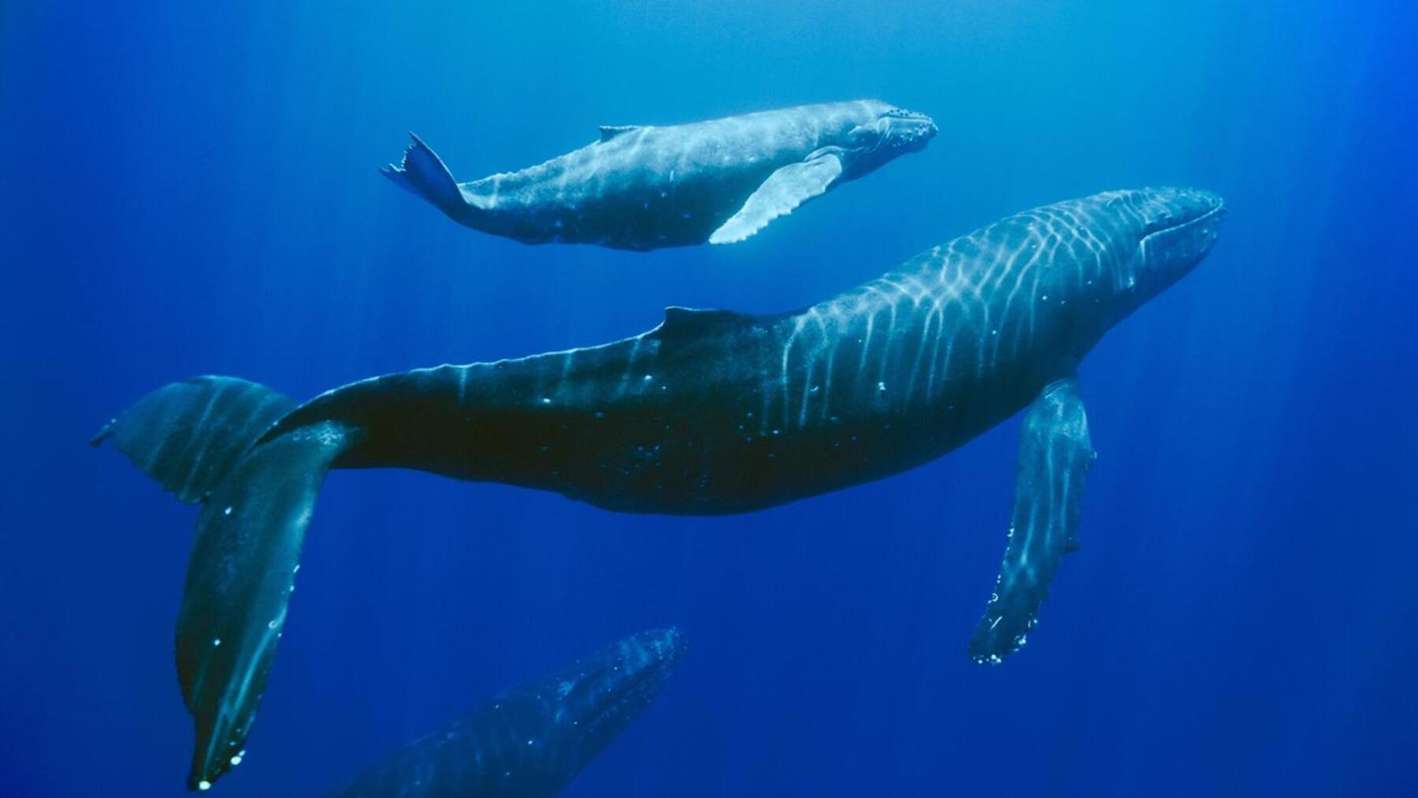
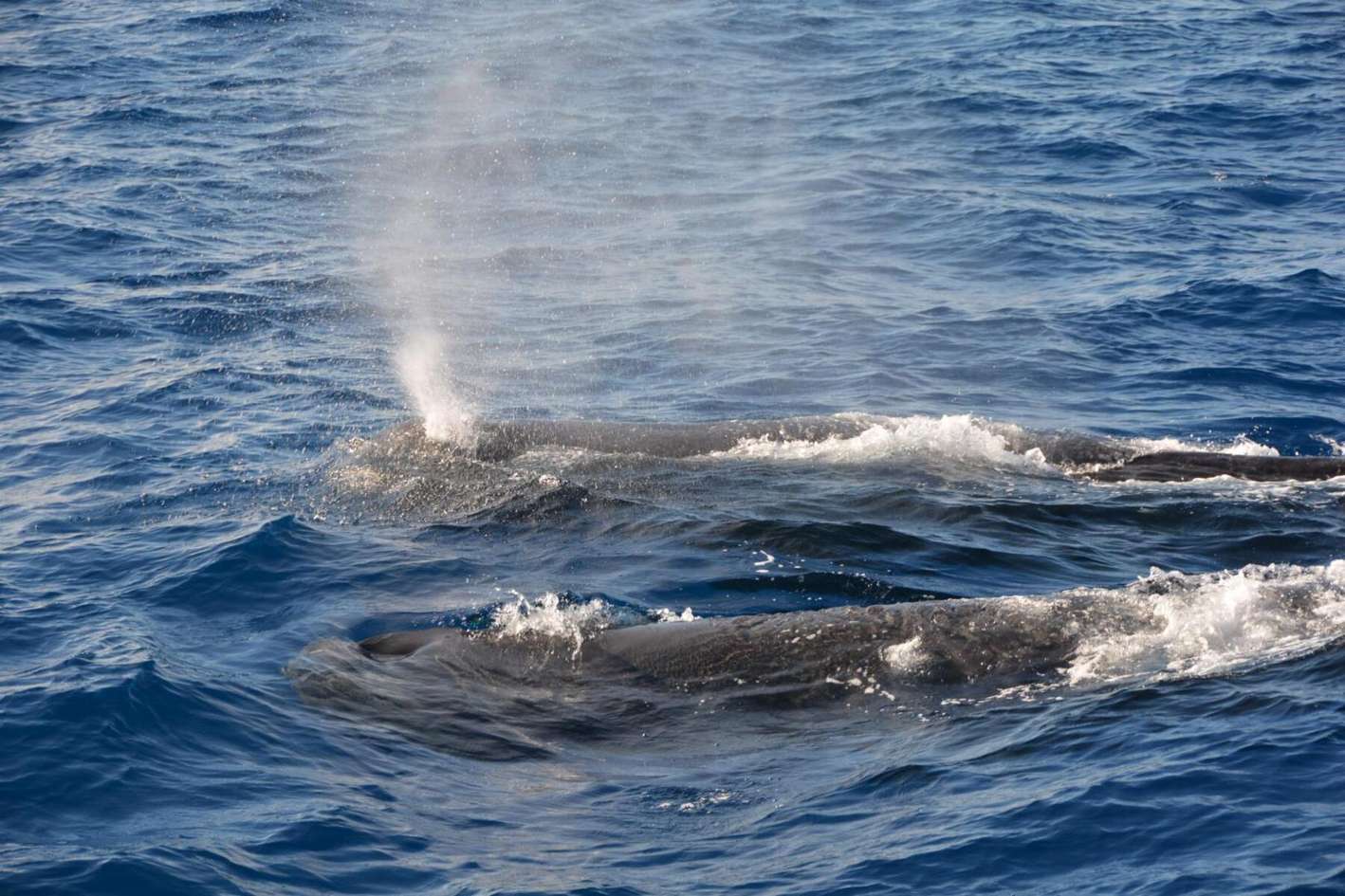
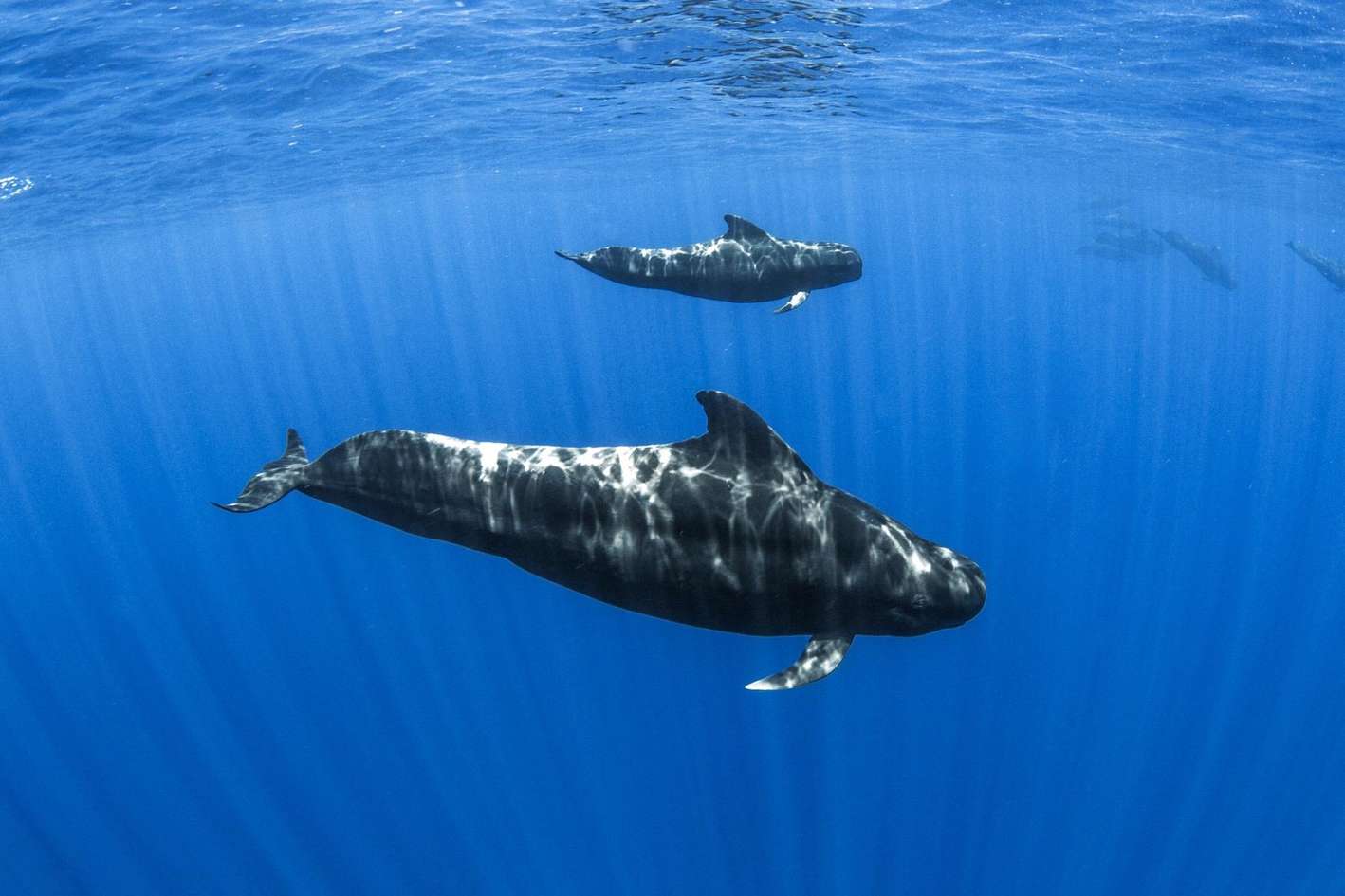
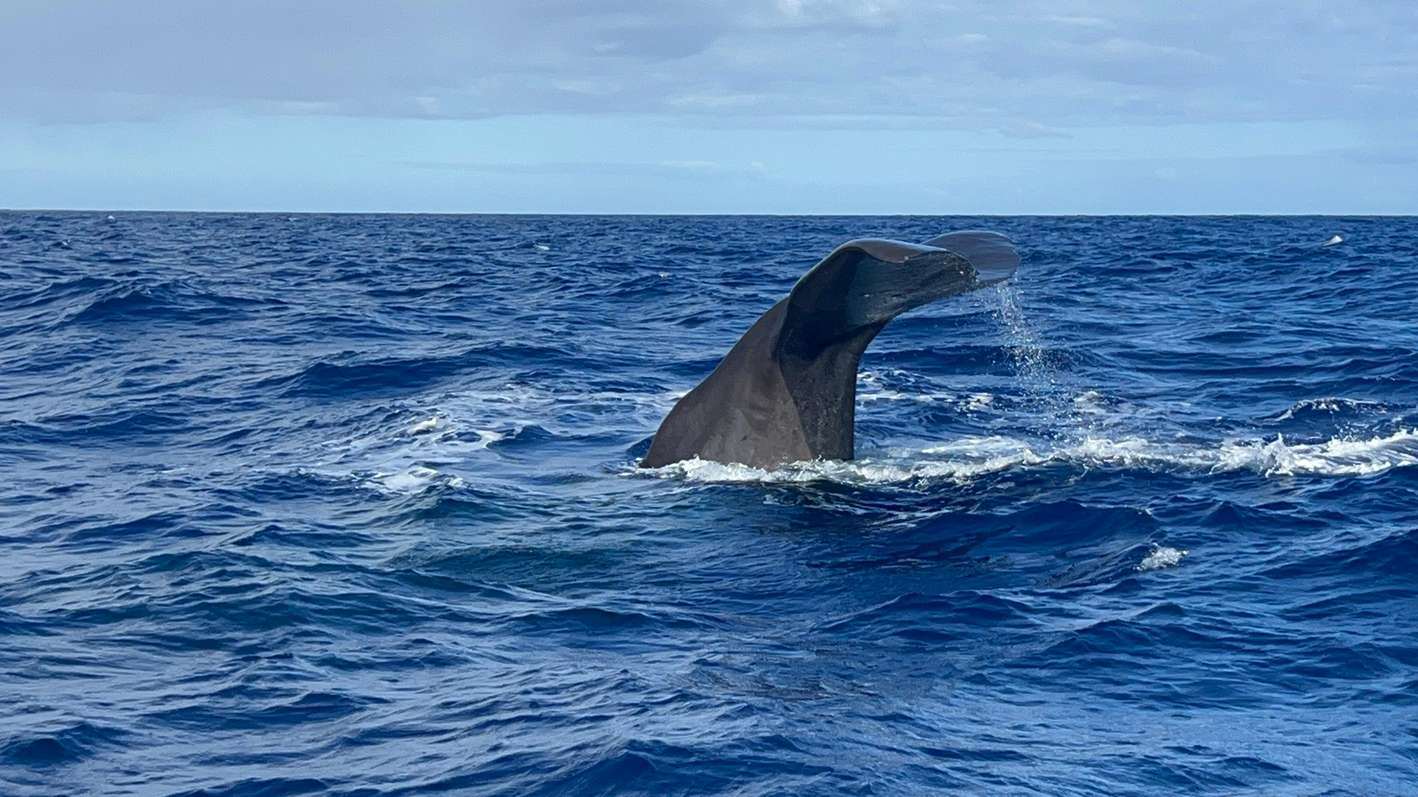
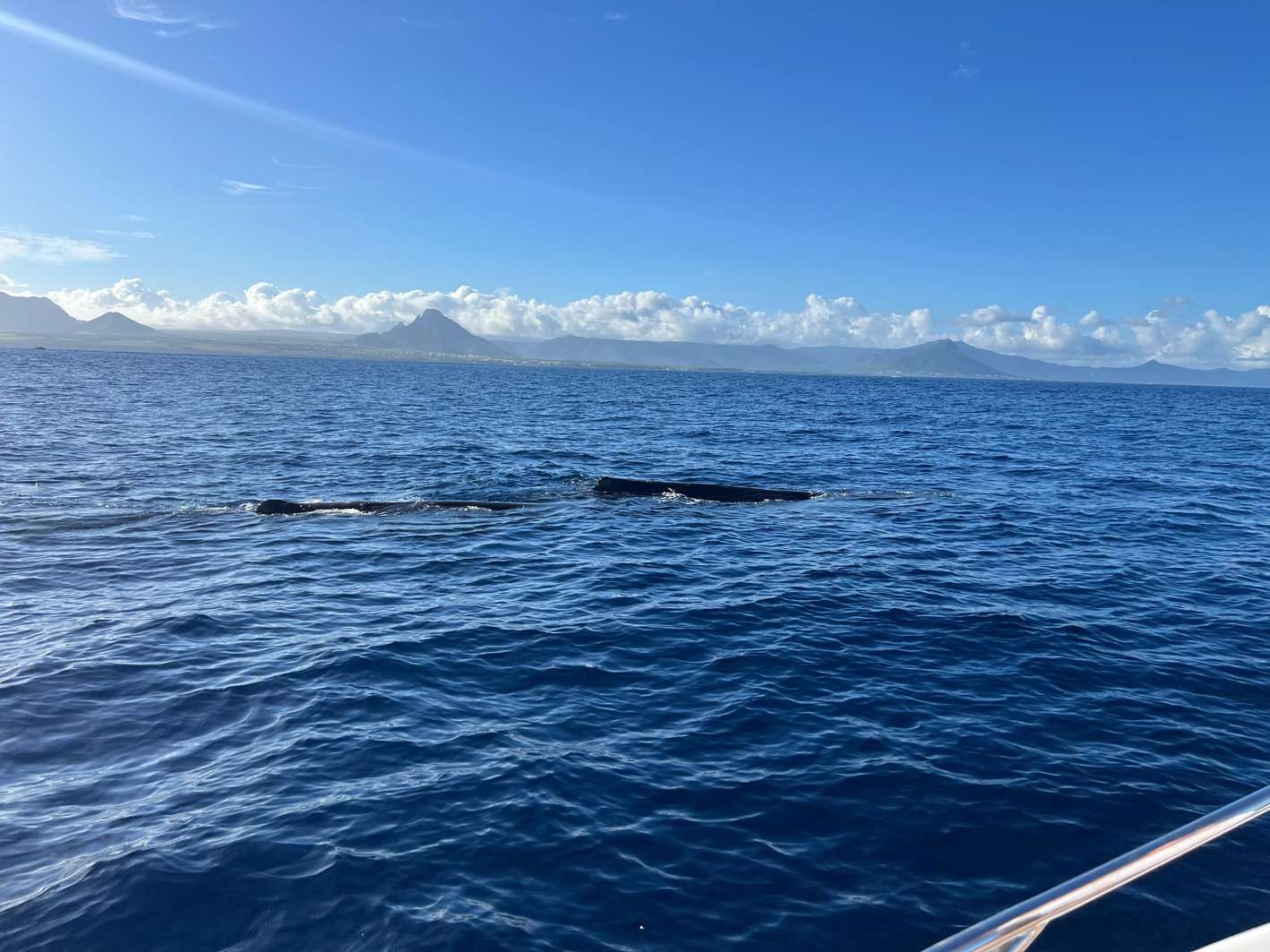
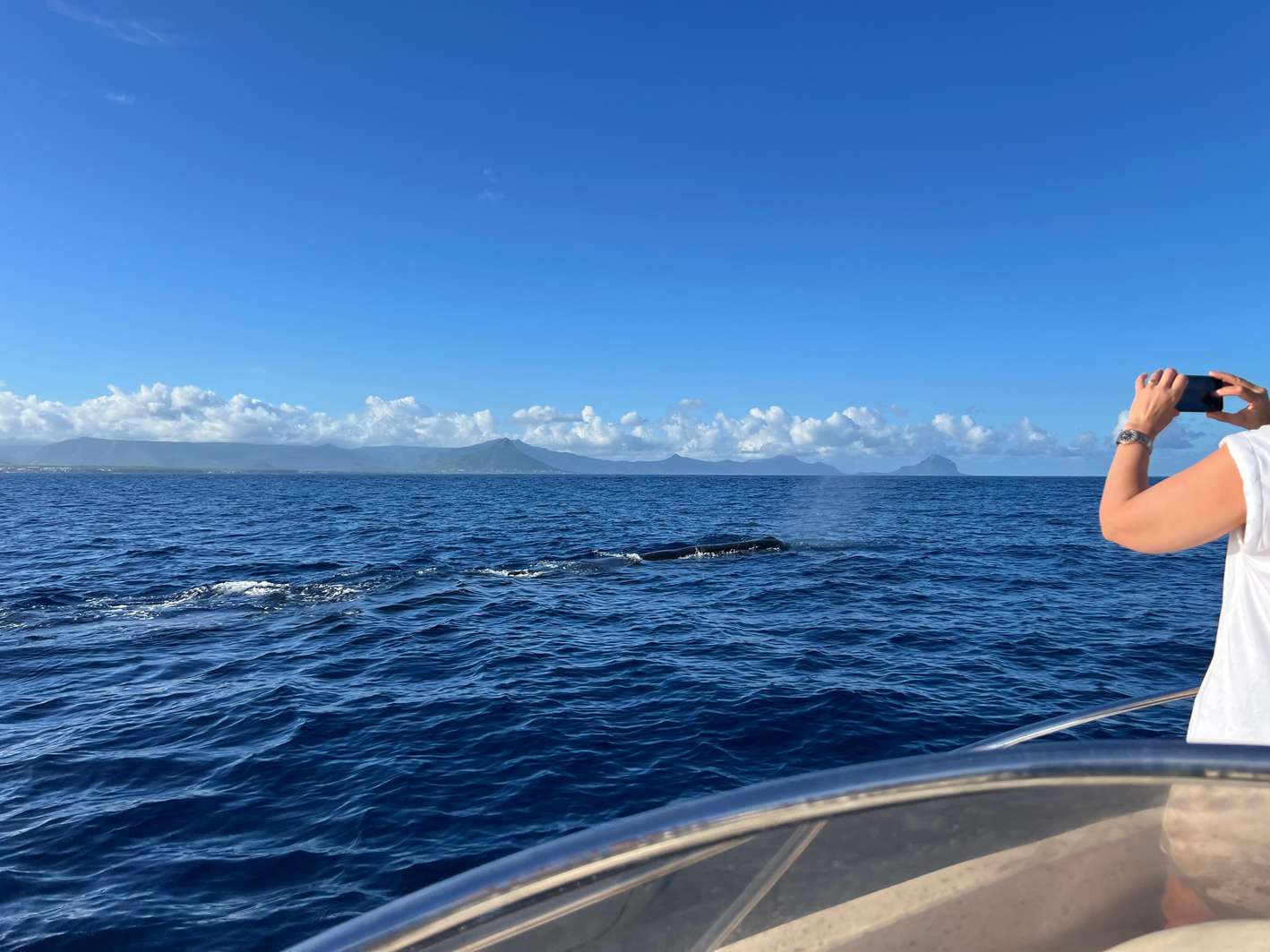
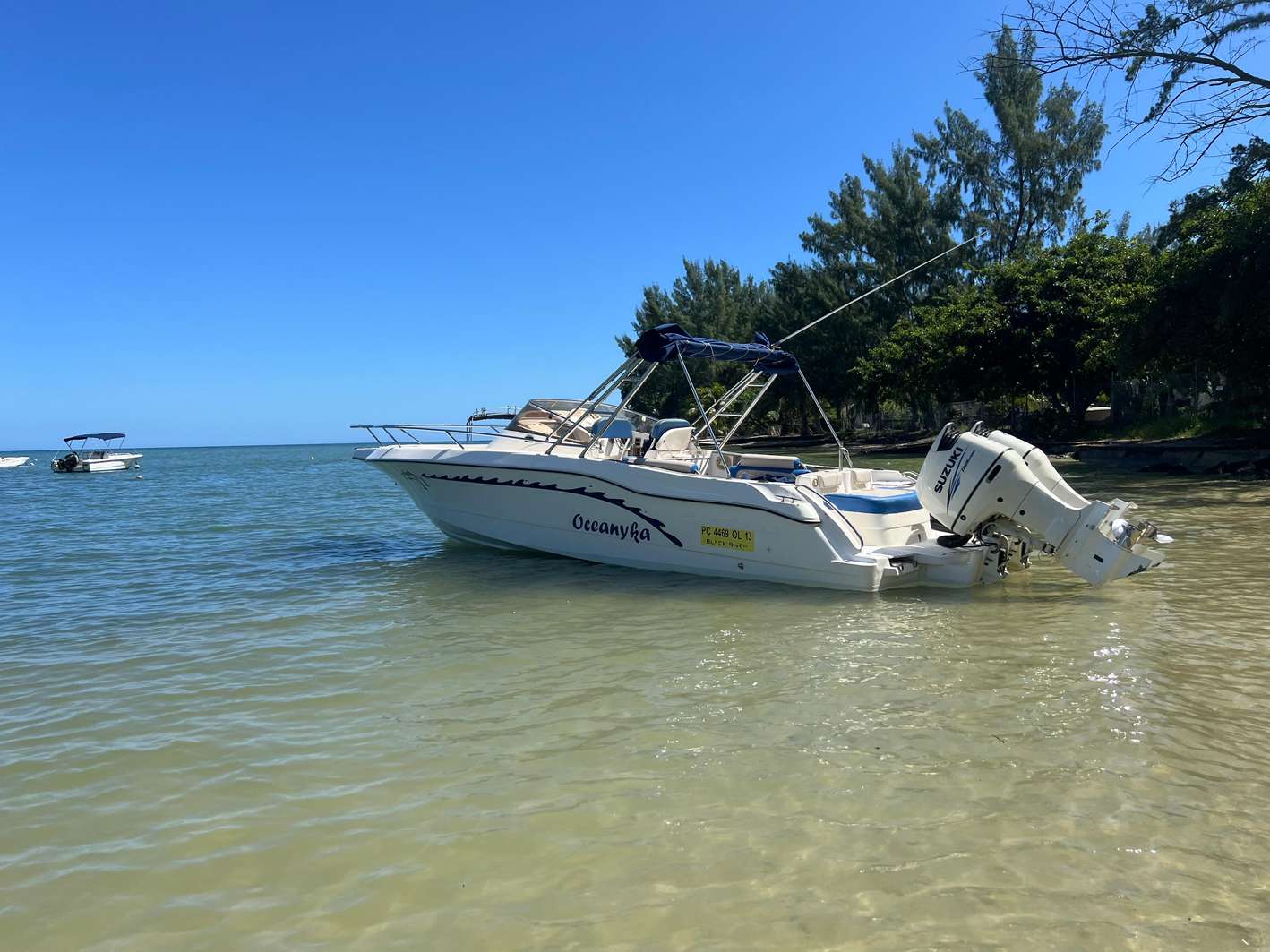
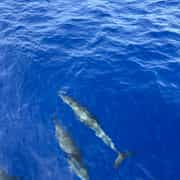
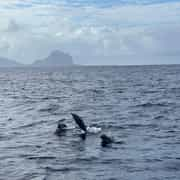
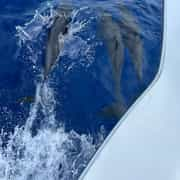
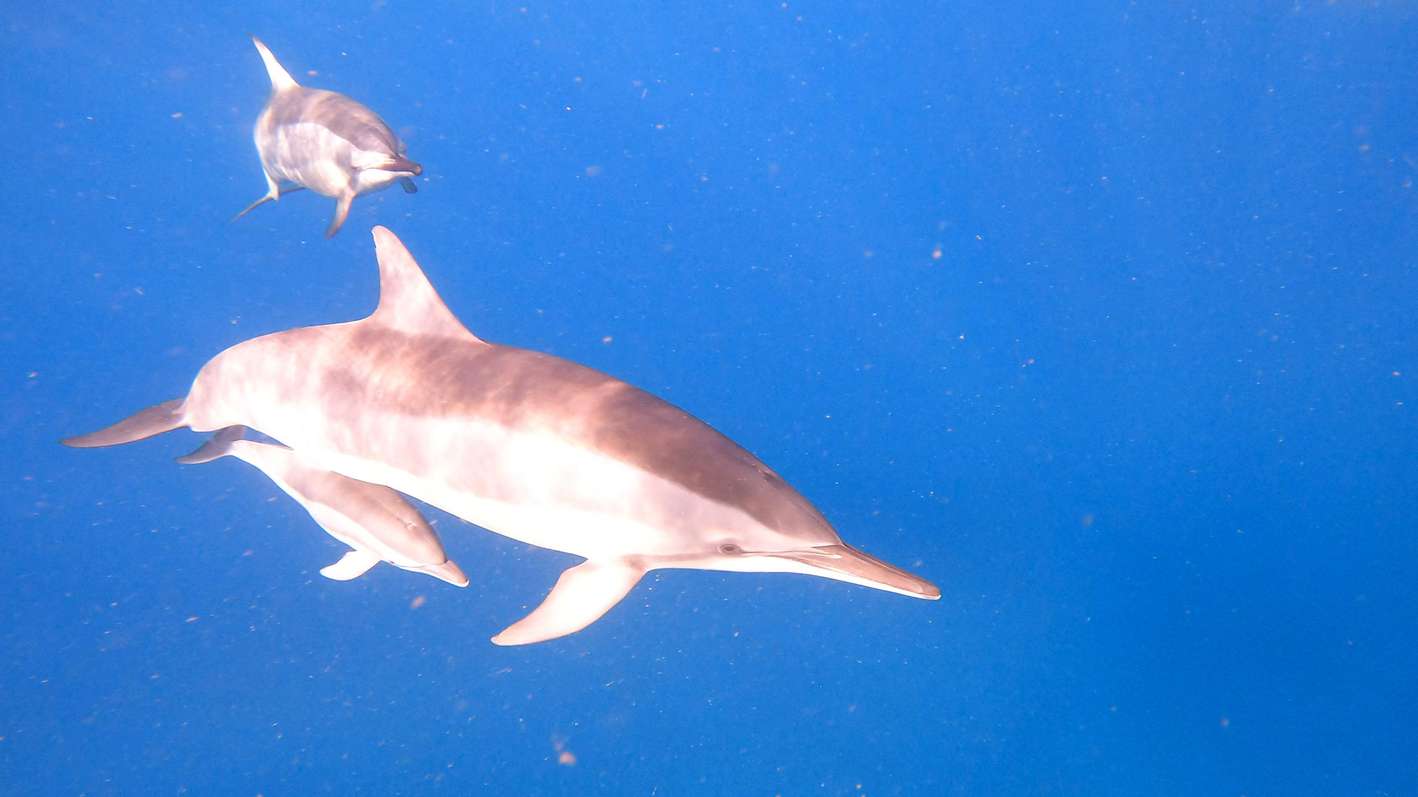
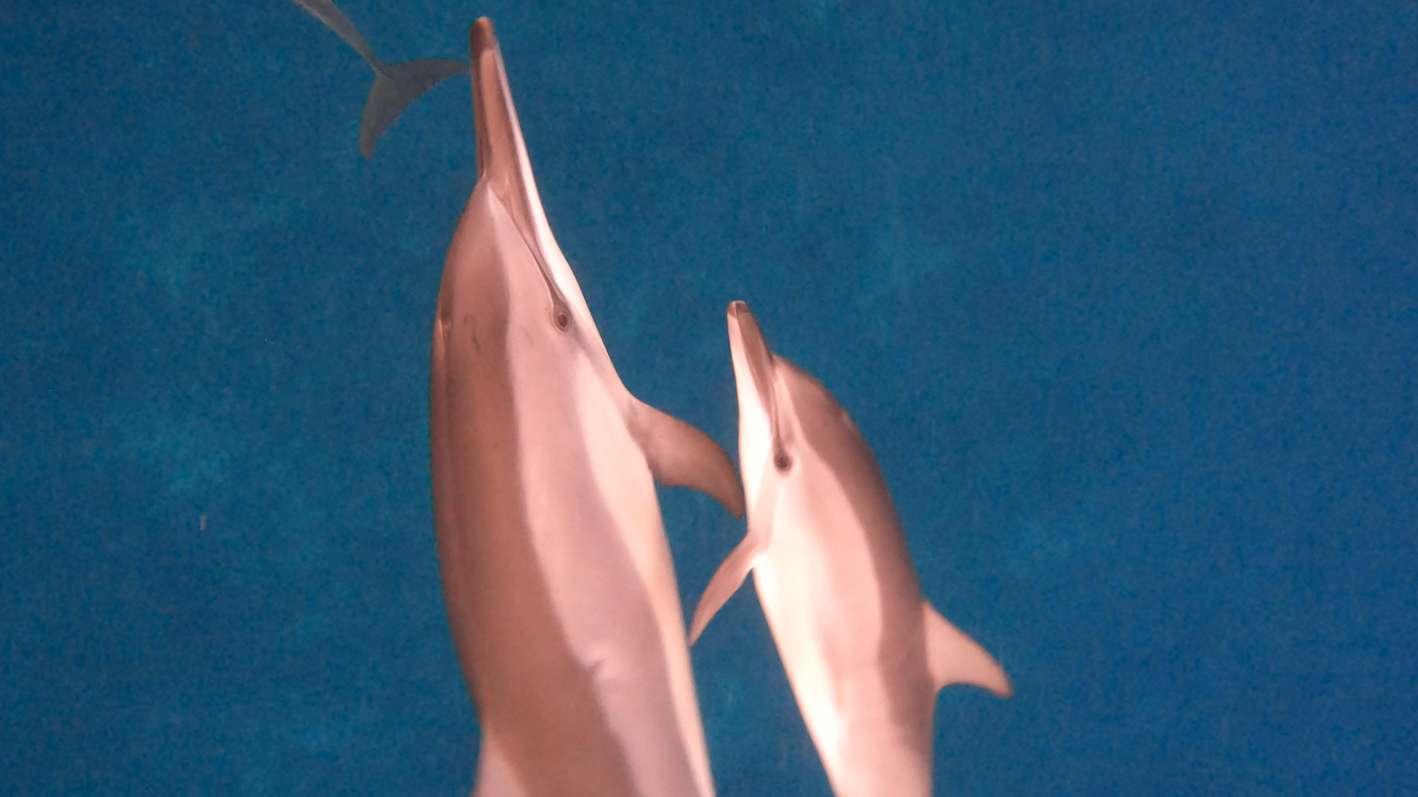
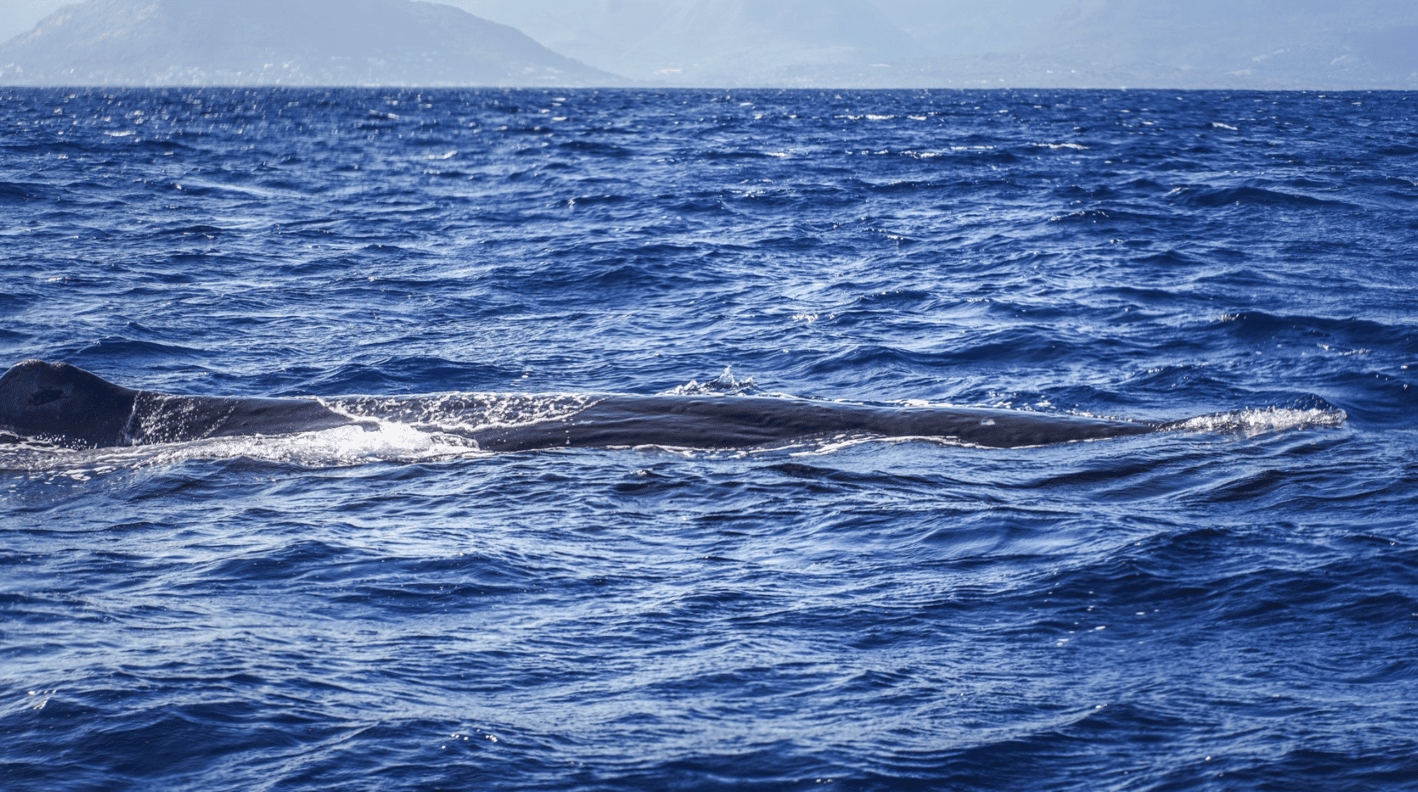
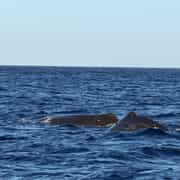

Tamarin Bay speedboats reach sperm whale waters about 15 to 20 minutes after clearing the reef.
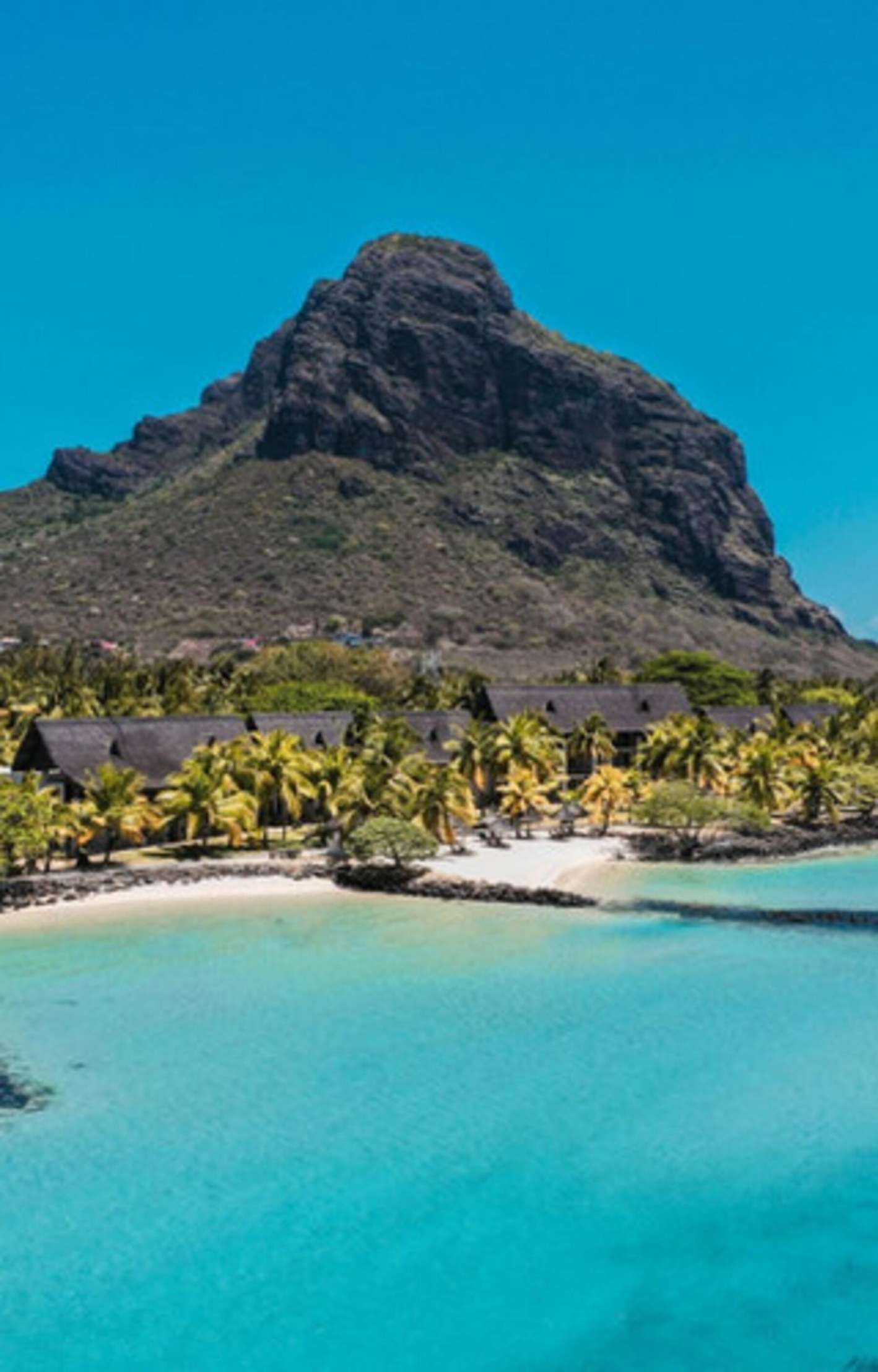
Read the guideAt Le Morne you meet your skipper on the public beach, with free parking and views of the mountain the whole way out.
Read the guide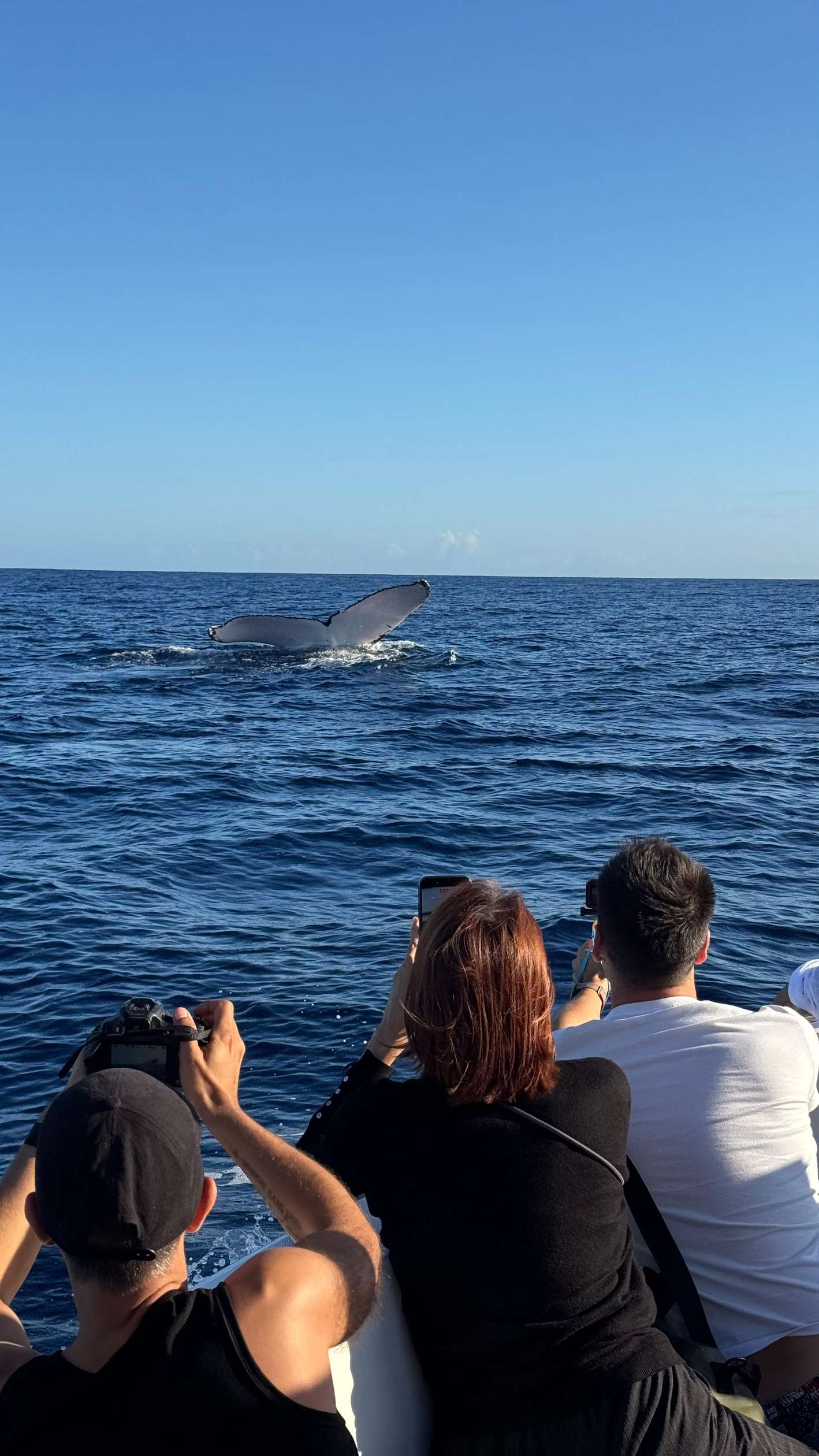
Flic en Flac runs tours that depart at 7:00 and drop you back at your resort around 10:30, no shuttle needed.
Read the guideEach of these three spots launches boats into the same whale-rich west coast waters, so your pick comes down to where you sleep.
The fastest run to deep water, with dolphins at your doorstep
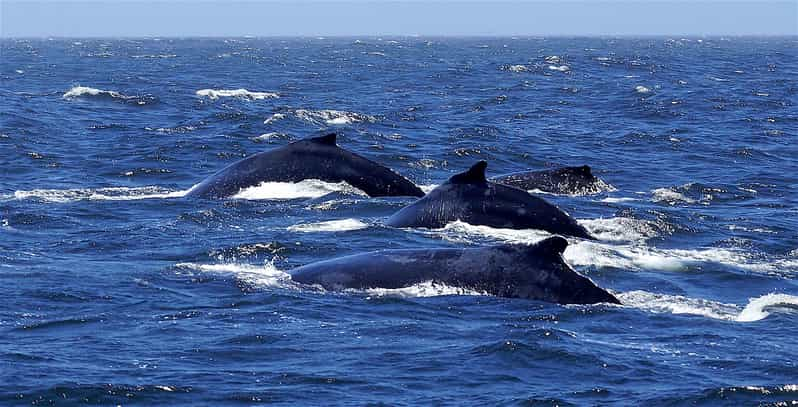
Speedboats leave Tamarin Bay and reach the drop-off where the seabed falls away to over 1,000 metres in about 15 to 20 minutes.
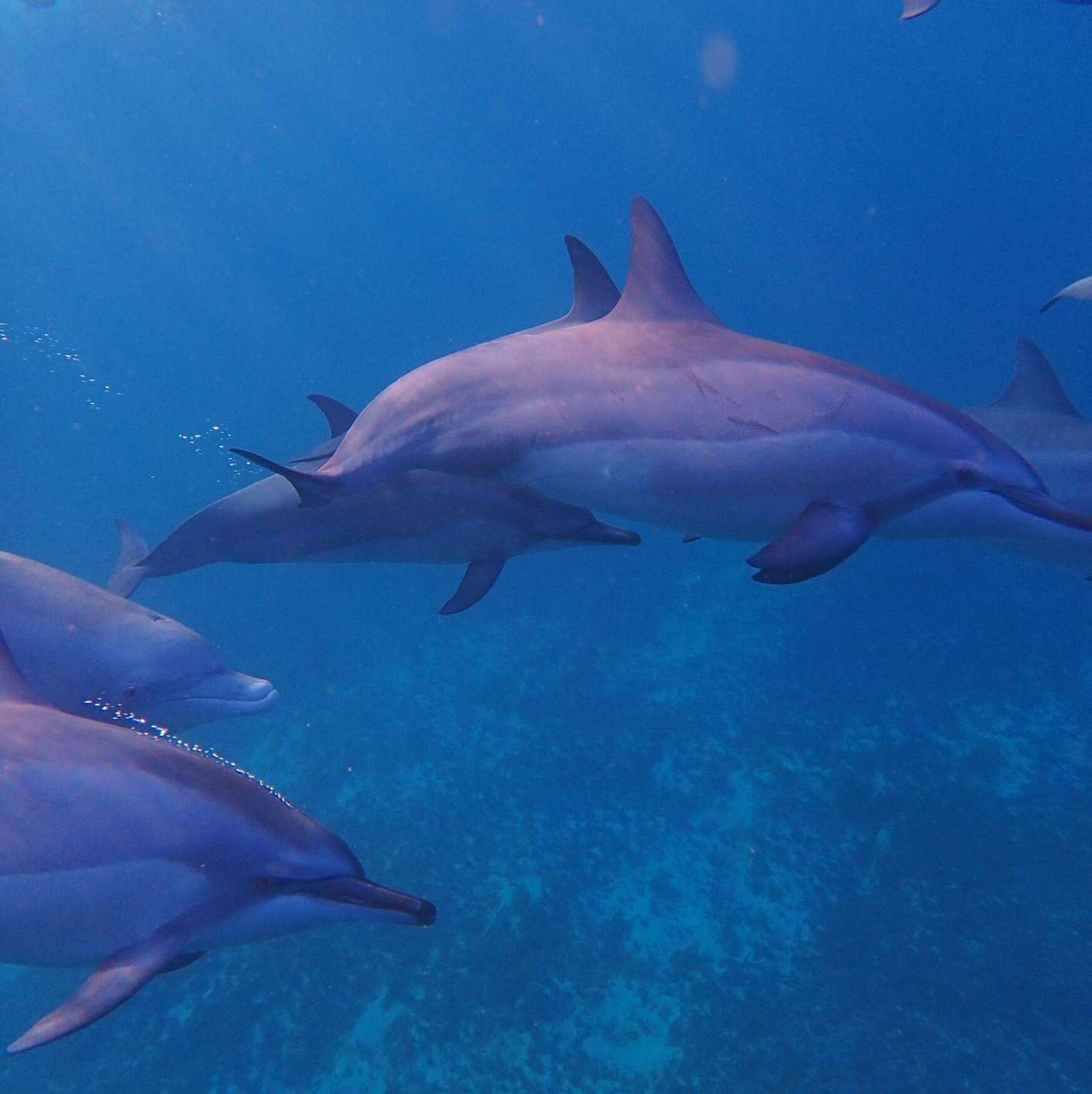
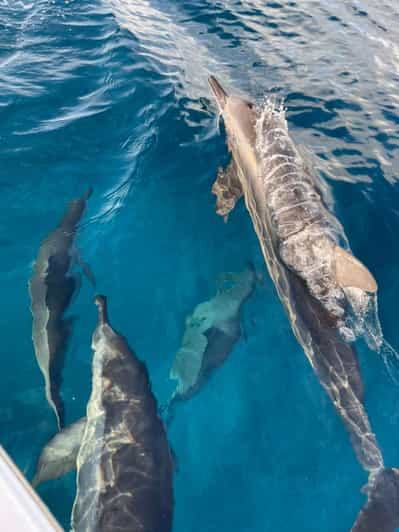
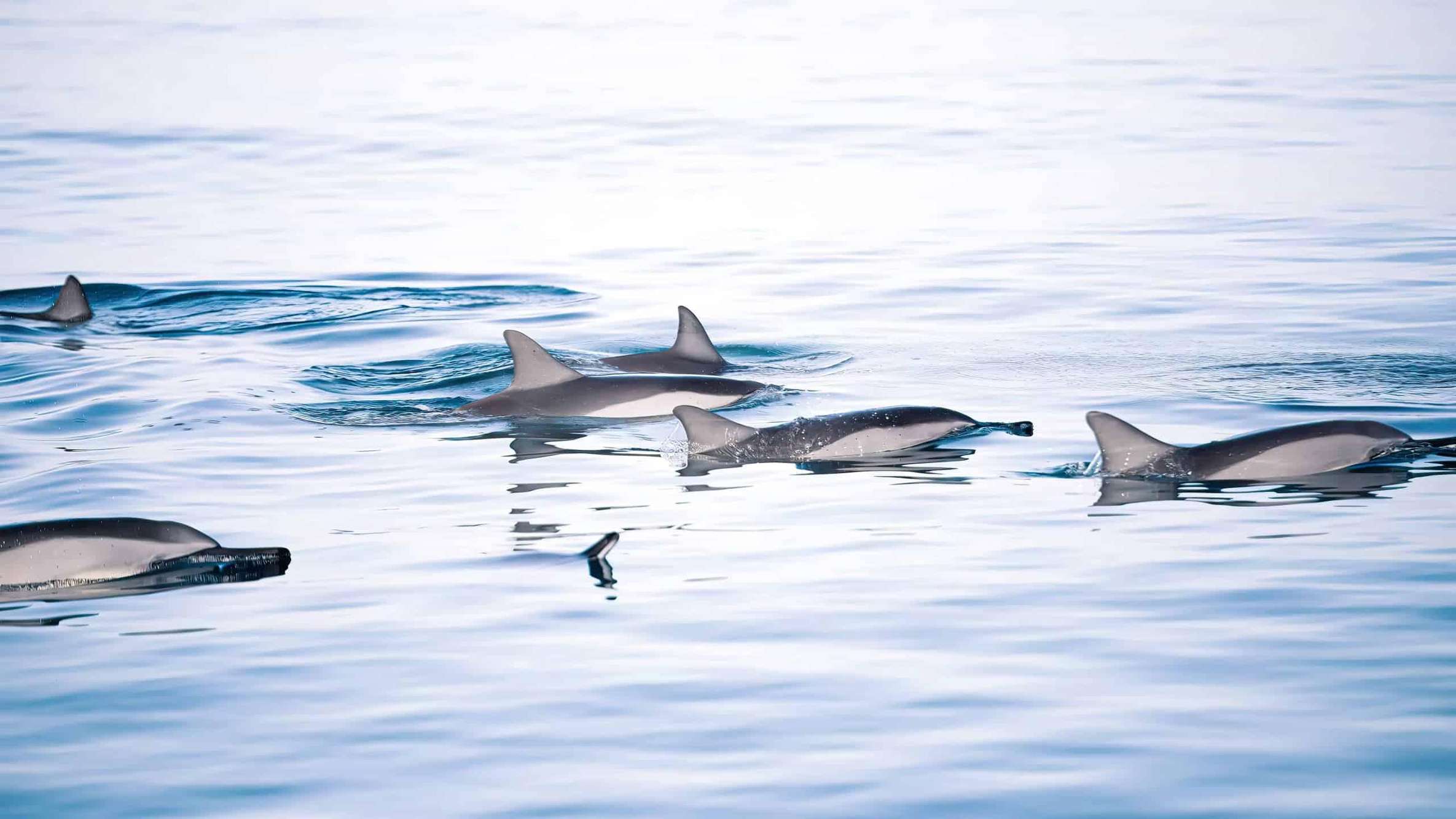
That short run matters: more of your morning goes to watching whales, less to getting there. Spinner dolphins gather in the bay itself most mornings, often in acrobatic pods of 15 to 30.
Tours here run about 3.5 to 4 hours and board early, around 6:30 to 7:00. If you stay in Flic en Flac, the drive takes roughly 20 minutes; from Le Morne, count on 25 to 40 minutes.
Private charters for up to 6 to 8 people let you set the pace, while shared boats run fixed slots with 6 to 12 aboard.
3.5 hours · ★ 4.4 (2)Mauritius: Dolphin Snorkeling & Whale-Watching Speedboat TourFrom $119 4 hours · ★ 4.4 (35)Dolphins & Whales: Private Snorkeling TourFrom $528 /group 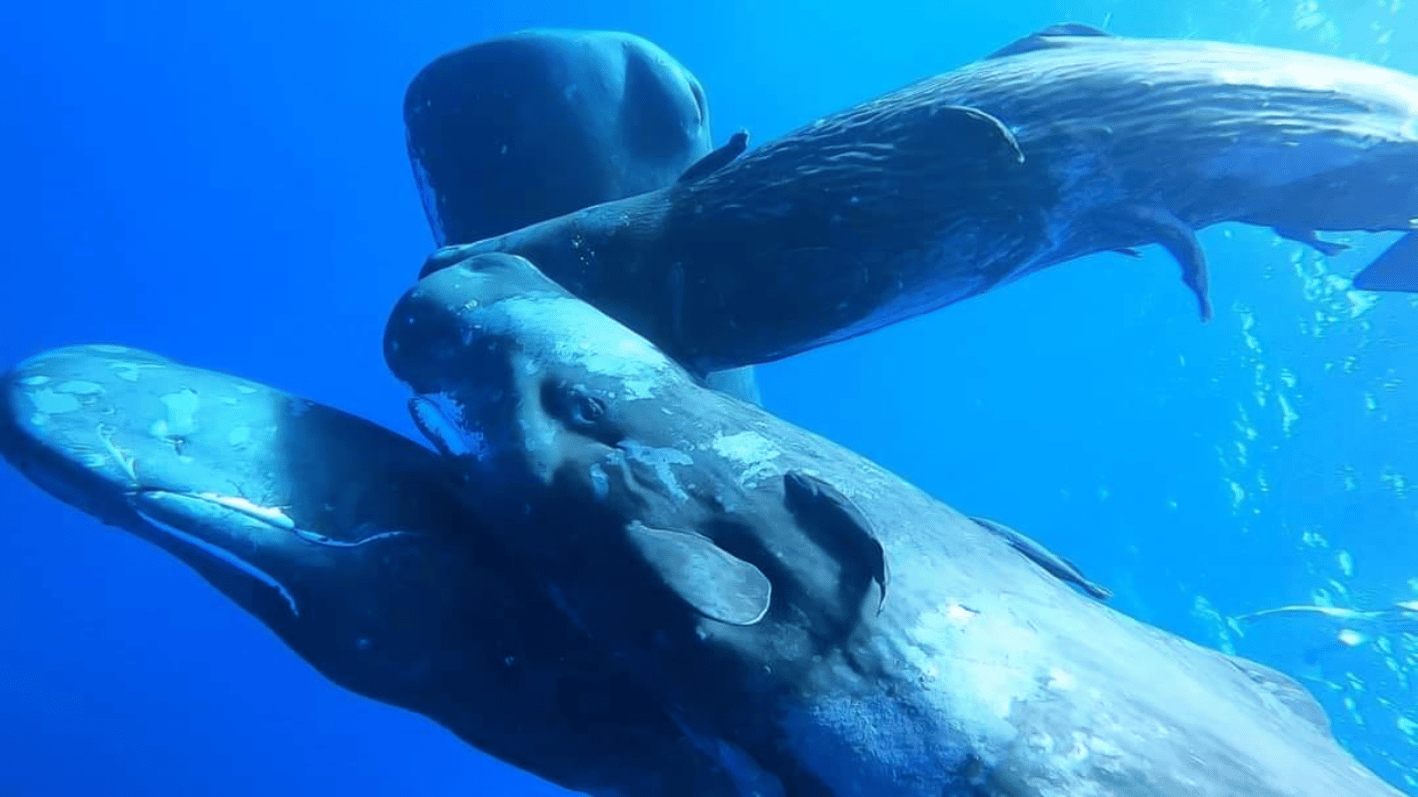 4 hours · ★ 4.2 (3)Whale & Dolphins Swimming - Private Speedboat Exclusive TourFrom $778 /group
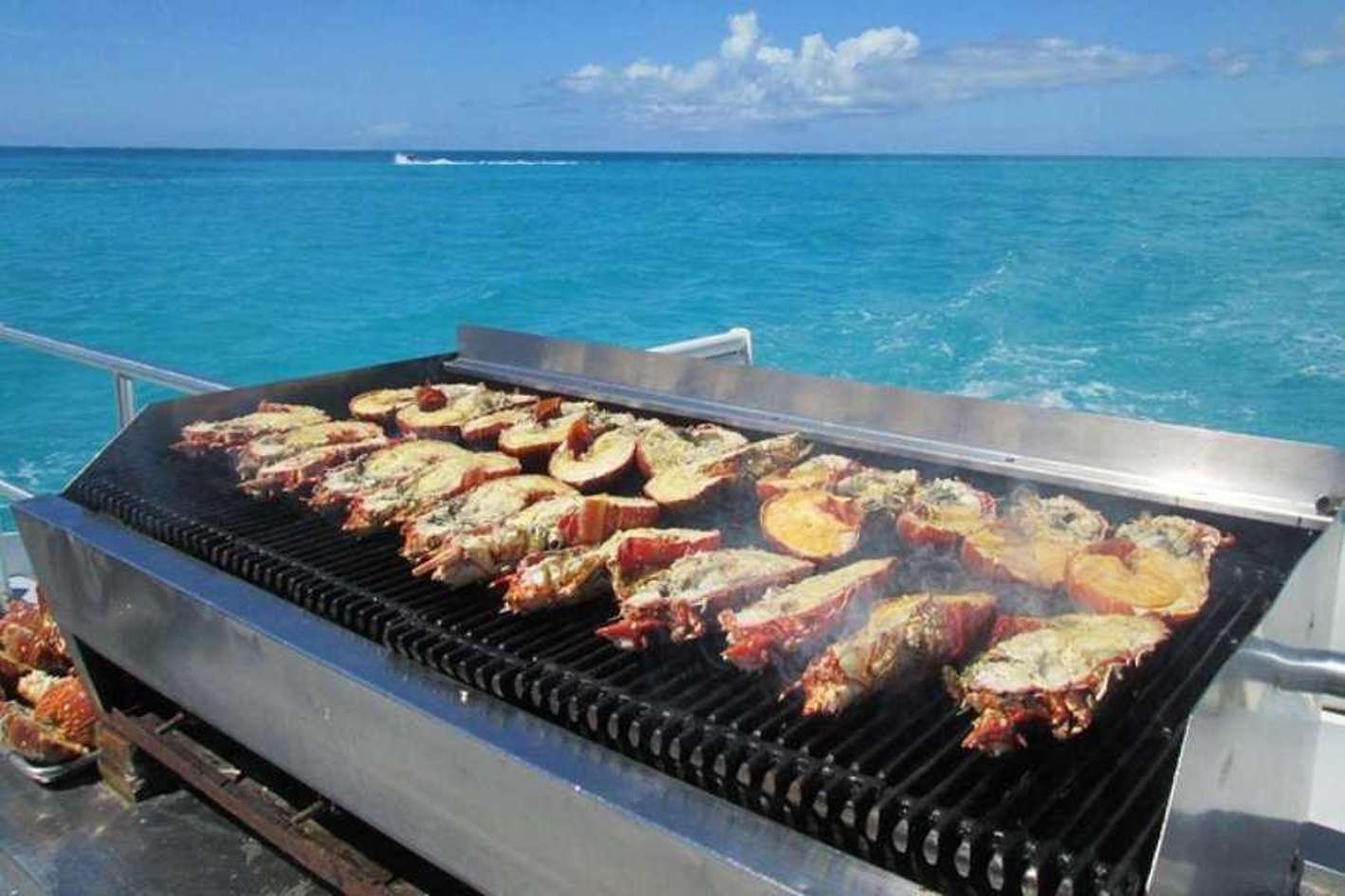 6 hoursMauritius: Whale Watching Trip with Snorkeling & LunchFrom $900 /group
Whale trips with Le Morne Brabant as the backdrop, boarded on the beach
Boats at Le Morne board right from the public beach, where skippers wait just inside the reef across from the casuarina trees. Large free car parks line the whole beach, so the early start stays simple. The mountain fills the view on the way out to sea.
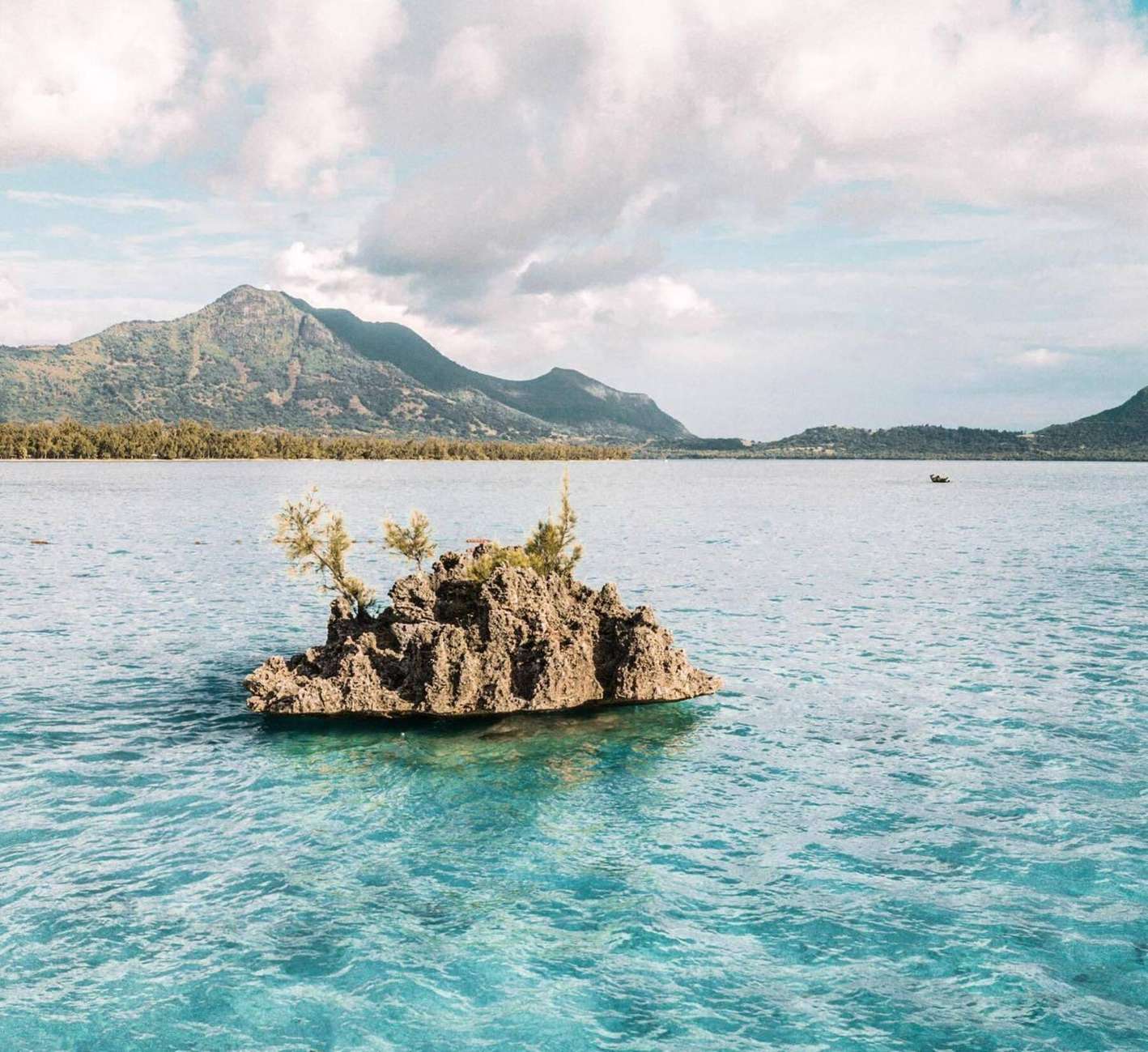
If you stay at Bel Ombre or on the south coast, this base cuts your pre-dawn road time the most. Tours here split the day: offshore whale tracking within the permitted morning hours, then calm lagoon stops at Crystal Rock or snorkeling when high seas close the reef pass.
4 hours · ★ 5.0 (5)Le Morne, Mauritius: Eco-Friendly Whale and Dolphin TourFrom $766 /group 7 hours · ★ 5.0 (1)Mauritius: Private Whale Watching & Bénitiers BBQFrom $1,025 /group 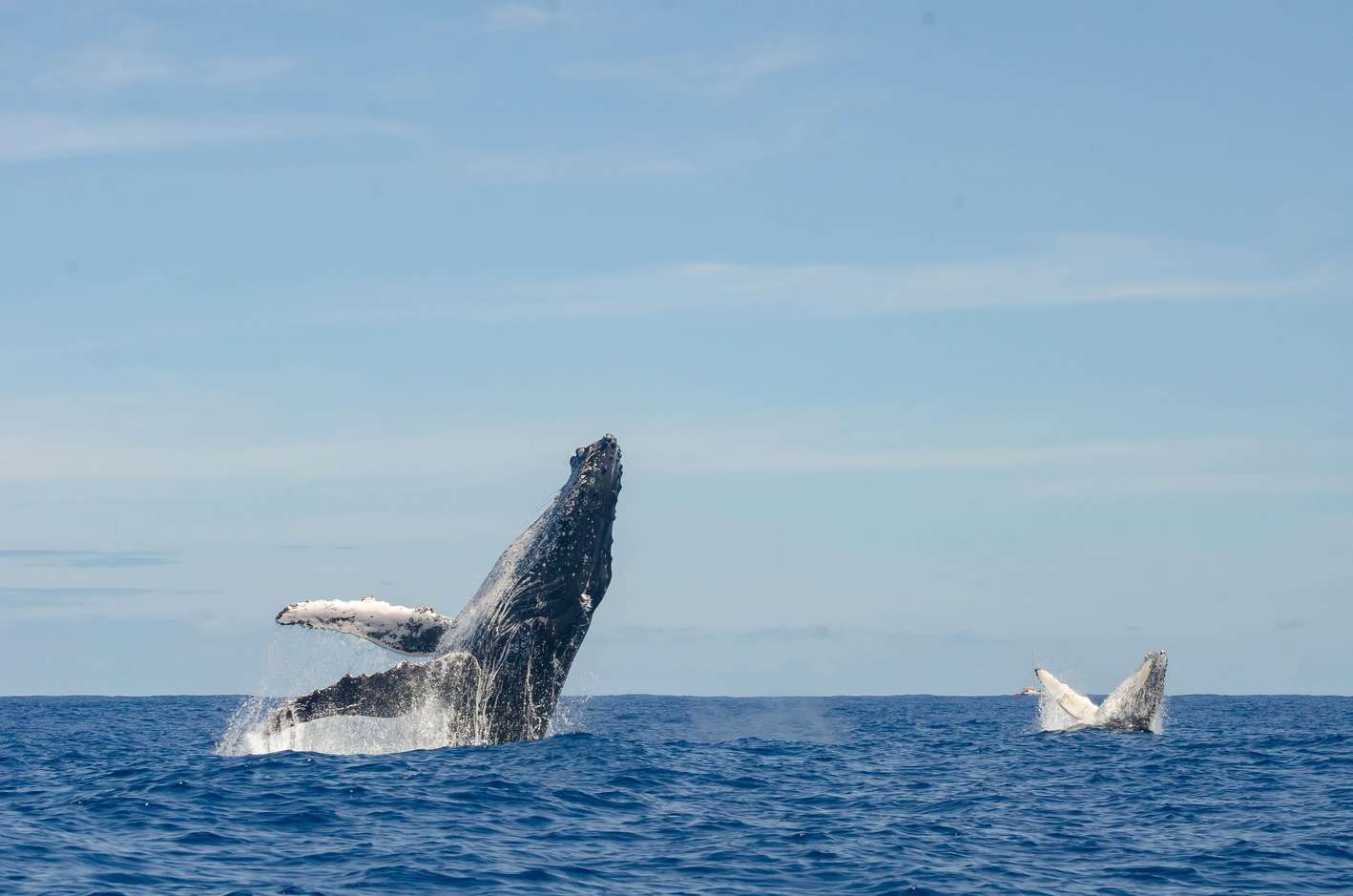 4 hours · ★ 4.7 (10)Mauritius: Private Whale Watching TourFrom $733 /group
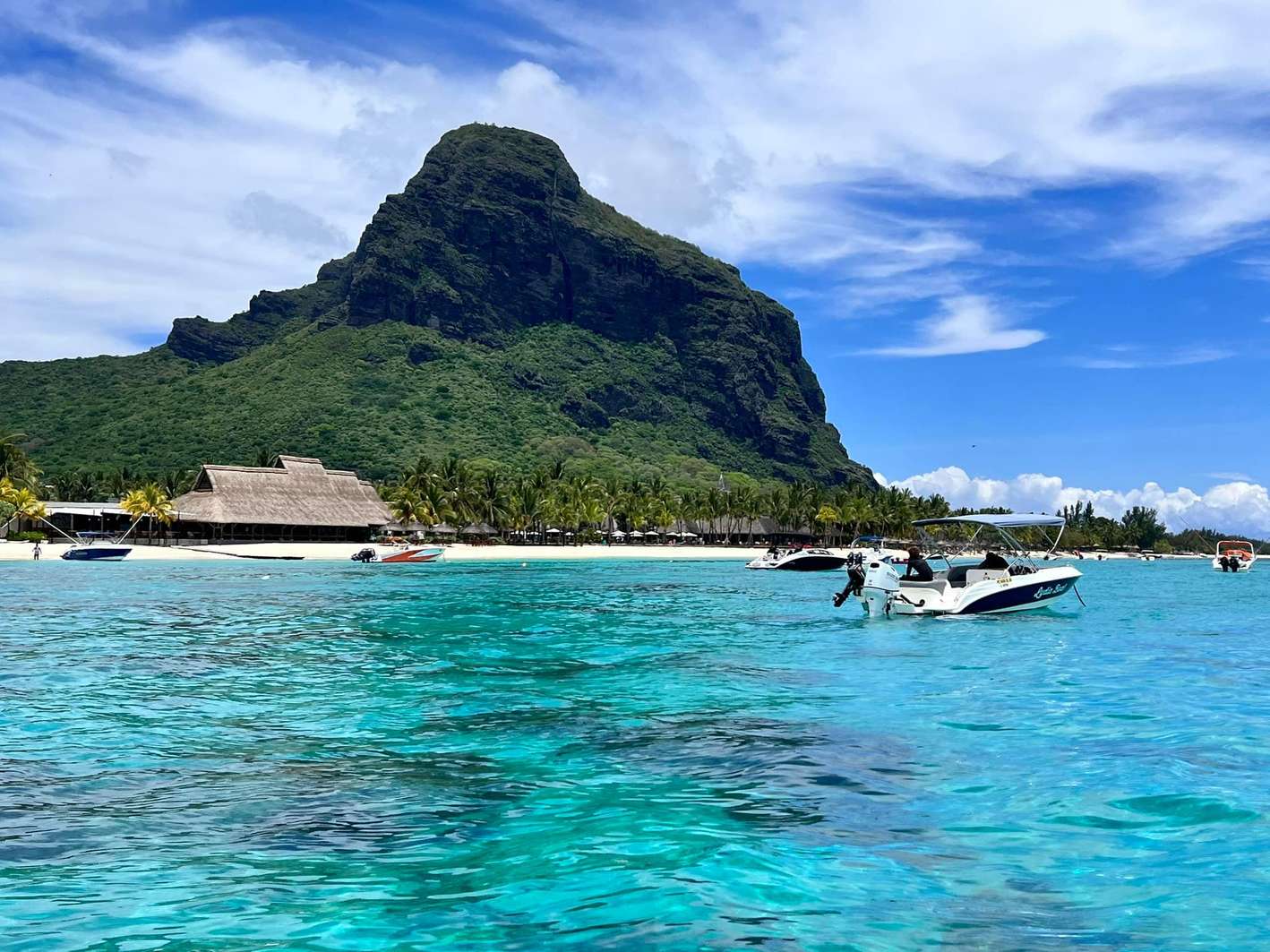 9 hoursPrivate Boat Whales & Dolphins Encounter BBQ on Benitier IslandFrom $490
Boats leave from your hotel's own beach, and you are back by lunch
The appeal here is simple: certain tours depart and return directly from Flic en Flac, so you skip the pre-dawn drive down to Tamarin or Black River entirely. One tour leaves at 7:00 and has you back at your hotel by about 10:30, in time for lunch on the beach.
Once the speedboat clears the lagoon, the open water can turn choppy even in calm weather, so take motion sickness medication about half an hour to an hour before boarding if you are prone. When you return, the casuarina-shaded shoreline and the 300-metre-wide lagoon wait right where you left it.
7 hours · ★ 5.0 (1)Mauritius: Private Whale Watching & Bénitiers BBQFrom $1,025 /group 4 hours · ★ 4.7 (10)Mauritius: Private Whale Watching TourFrom $733 /group  4 hours · ★ 4.5 (24)Flic en Flac: Whale Watching & Dolphin Swim Boat TourFrom $154 3 hours · ★ 4.5 (45)Unique whale watching experience in MauritiusFrom $149
Every boat that finds whales in Mauritius leaves from one protected strip of west coast. Which of the four departure bases fits where you sleep is the choice this guide settles.
Whale watching happens only off the west coast, where the seabed drops to 1,000 metres within a few kilometres of shore.
Tamarin Bay has the fastest run to deep water, about 15 to 20 minutes past the reef.
Black River's marina is the island's main hub, sitting directly beside the drop-offs where sperm whales feed all year.
Flic en Flac guests can board at their own beach on one tour that leaves at 7 am and returns by about 10:30 am.
Boats leave between 6 and 7:30 am and must be back by noon, because paid watching is only legal in those morning hours.
Plan your whale watching day with a flexible morning, since operators reschedule trips when conditions turn rough. Book early in your stay, keep the day after free as a backup, and check the weather outlook the evening before your departure.
The first thing you notice off Tamarin is the sound before the sight: spinner dolphins blowing in the shallows as the boat idles at sunrise. Pods of 15 to 30 gather in the bay most mornings, with smaller bottlenose groups of 5 to 10 alongside them.
From there, the boat runs out through the reef pass and the seabed simply falls away, over 1,000 metres within a few kilometres, down to 3,000 metres within 8. Sperm whale waters arrive in about 15 to 20 minutes.
That short run is the reason to choose Tamarin. More of your morning goes to watching whales, less to getting there, and in the winter months of June to October migrating humpbacks join the resident sperm whales offshore.
A shared boat here carries 6 to 12 people on a fixed slot; a private charter takes up to 6 to 8 and can leave earlier to reach the dolphins before the rest of the bay does.
One private option worth a look is the Dolphins & Whales: Private Snorkeling Tour, four hours that pair the dolphin swim and whale watch with a snorkel stop in the shallow natural aquarium, with drinks on board. The full picture of departures and boats sits in the Tamarin whale watching guide.

Boarding at Le Morne happens on the sand. Skippers moor just inside the reef across from the casuarina trees on the public beach, the northern section of it, and you wade out to meet them. Large free car parks line the whole beach, so the pre-dawn start stays simple even with a car.
Le Morne suits two kinds of traveler. If you are staying on the peninsula or in Bel Ombre, this base cuts your early-morning road time the most, because the departures sit closer to the deep reef passes than anywhere further north.
And because boats spend less time travelling, more of the trip goes to the animals.
The longer itineraries are the draw here: a combined day that runs whale watching in the open sea, dolphin encounters, snorkelling near Crystal Rock and a barbecue lunch on Île aux Bénitiers takes 8.5 hours from Le Morne.
When high seas close the reef pass, tours adapt by keeping to the calm lagoon, which holds waves under half a metre. Le Morne Brabant fills the view the whole way out. The departure points and boats get their own treatment in the Le Morne boat trips guide.
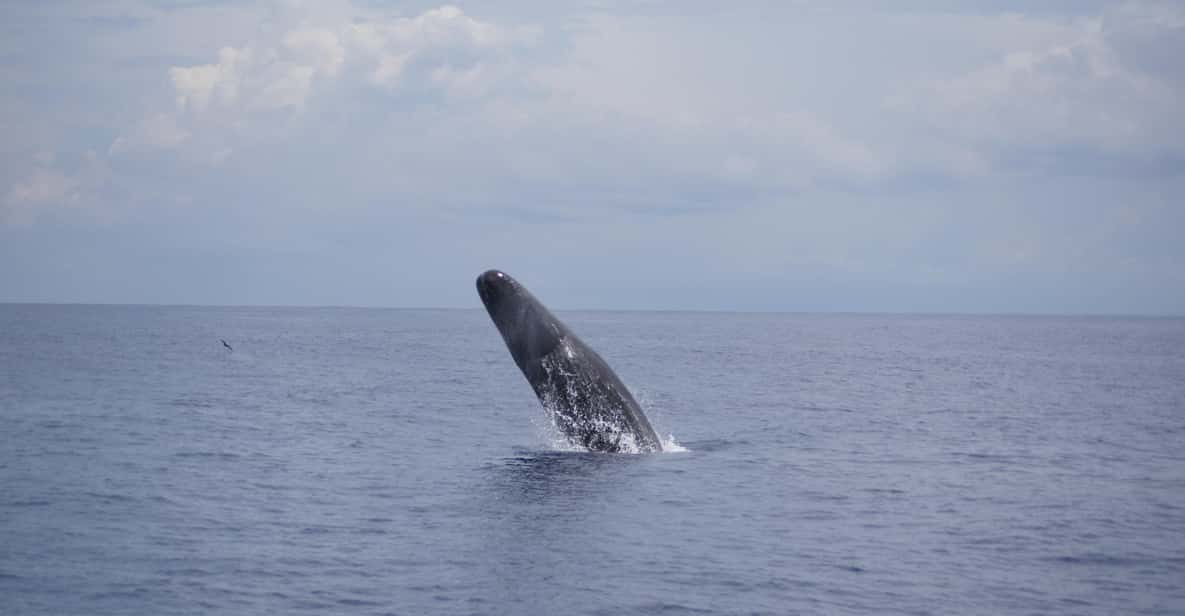
No other base lets you sleep as long. Certain tours depart and return directly from Flic en Flac, so the pre-dawn drive down the coast to Tamarin or Black River disappears entirely.
One tour out of here leaves at 7 am and has you back at your hotel by about 10:30 am, in time for lunch on the beach with sand still in your shoes.
Two things to weigh before booking. The open water beyond the lagoon turns choppy even in calm weather, so a trip here asks a bit more of your stomach and your sea legs.
And the boats are honest about who fits: one Flic en Flac departure is listed as unsuitable for people with low fitness, and another does not take children under 6, since open speedboats give toddlers strong sun, little shade and a rough ride outside the reef.
If you want the short version of the day, the Unique whale watching experience in Mauritius runs three hours with an experienced skipper-guide and life jackets, chasing sperm whales and, in season, humpbacks. The rest of the departures are covered in the Flic en Flac boat excursions guide.
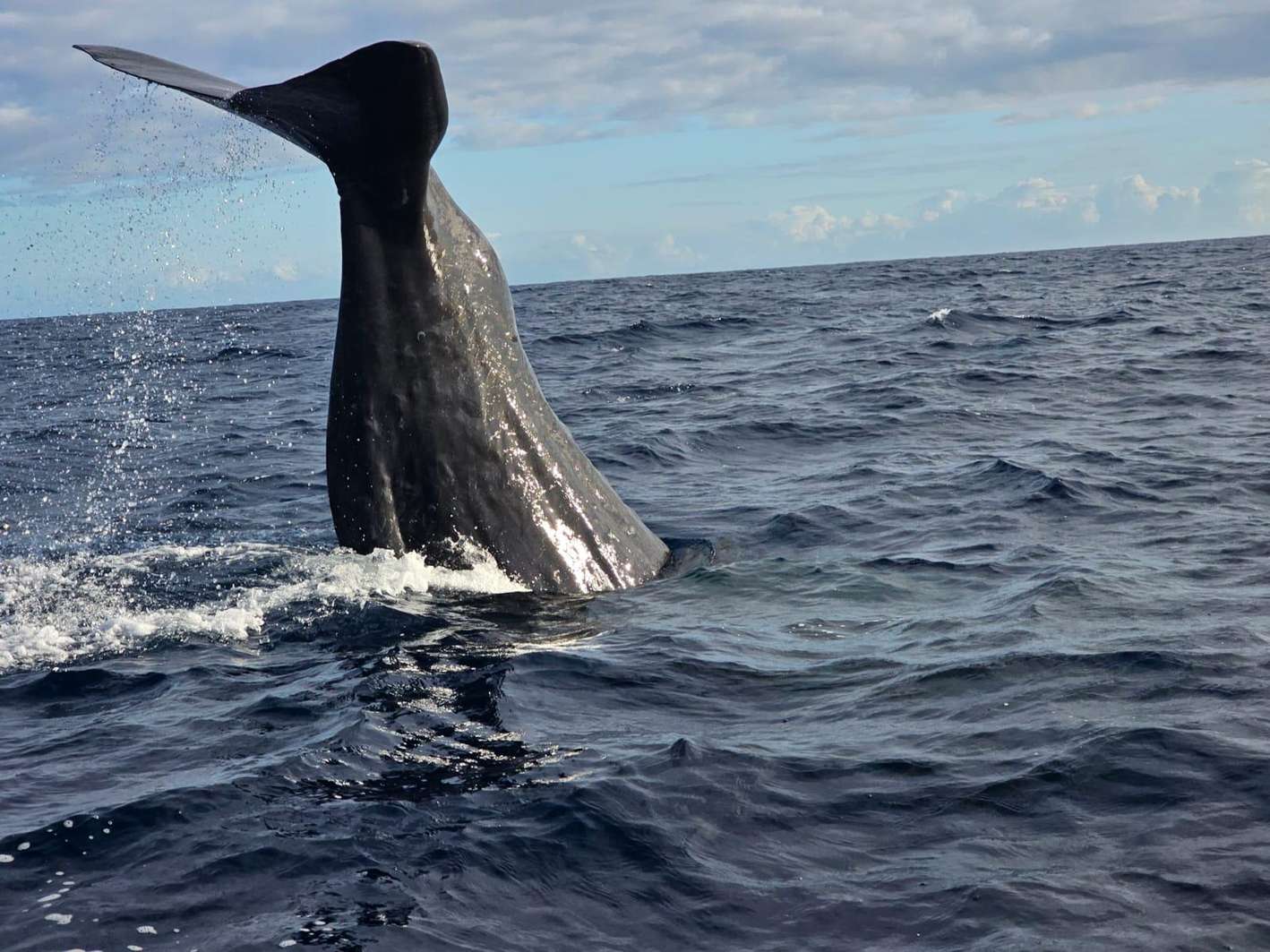
The relief for anyone staying in Grand Baie or on the east coast is that the answer is a simple one. Mauritius catches the southeast trade winds, and the west coast sits on the sheltered side of the island behind the Black River mountains.
The wind crosses the central plateau, drops its rain inland and reaches the west dry, so it blows from the land out to sea. No swells build in the western lagoon, and the water stays calmer than anywhere else around the island.
The seabed does the rest. Off the west coast the floor plunges fast: 1,000 metres within 2.8 to 5.6 kilometres of shore, past 2,000 metres less than 3 miles out.
That puts the deep trenches where sperm whales hunt squid, at their favoured 400 to 1,200 metres, right beside the island. On the north and east coasts, no boat runs whale trips because the water never gets that deep that close in.
Those depths are what the boat rides over on its way out, and they explain why the whale grounds sit so close to the departure ports on the strip below.
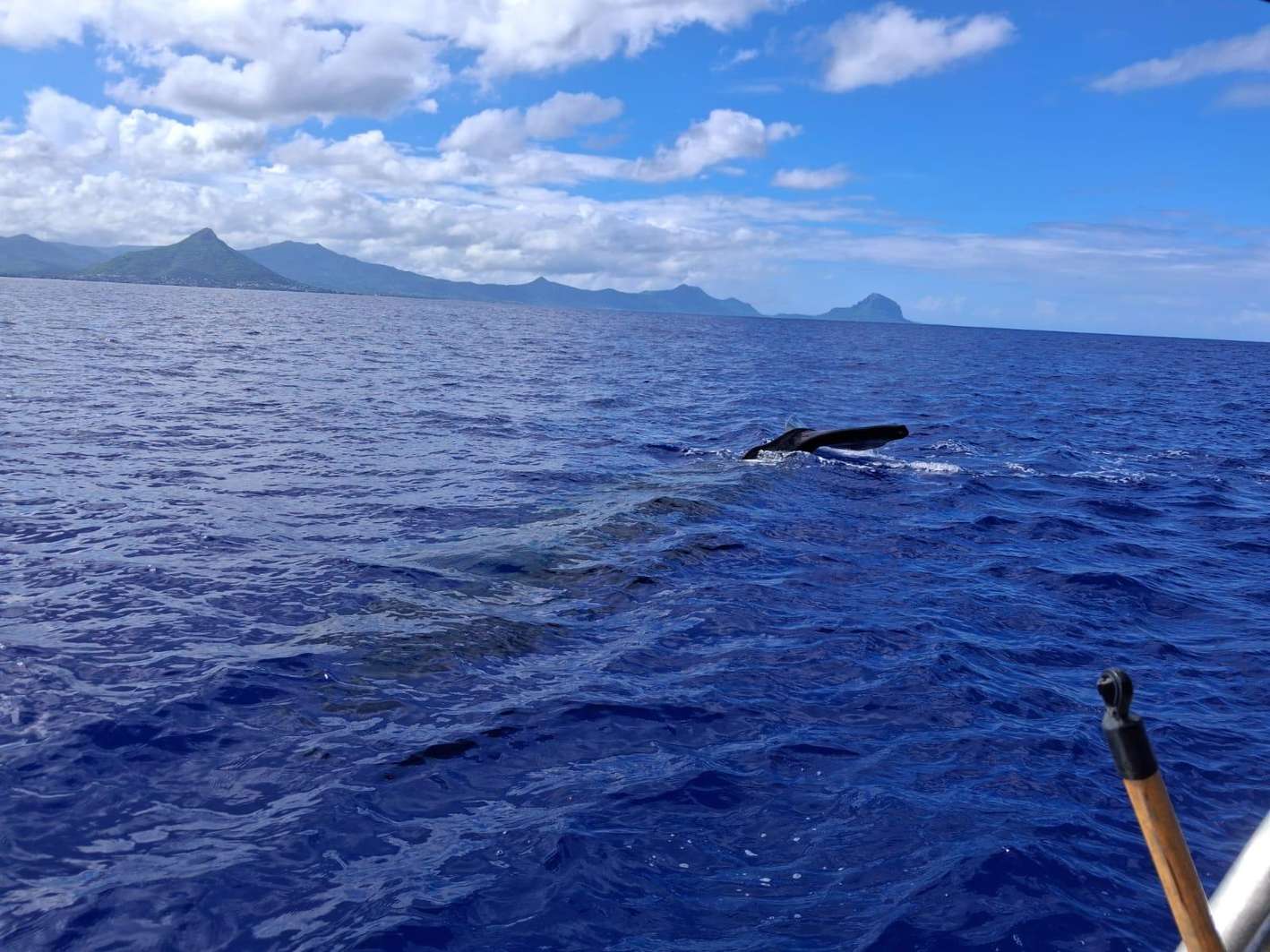
A deep channel also runs close to the coast between Tamarin Bay and Le Morne, which is why whales sometimes pass near enough to the reef to be seen from shore.
That channel view is luck; the boats work the same water with radios and hydrophones, and they find whales far more often than a cliff and a pair of binoculars ever will.
Four bases, then, all within one short stretch of coast. Every one of them sees whales; what separates them is boat time, sea state and the drive from your hotel.
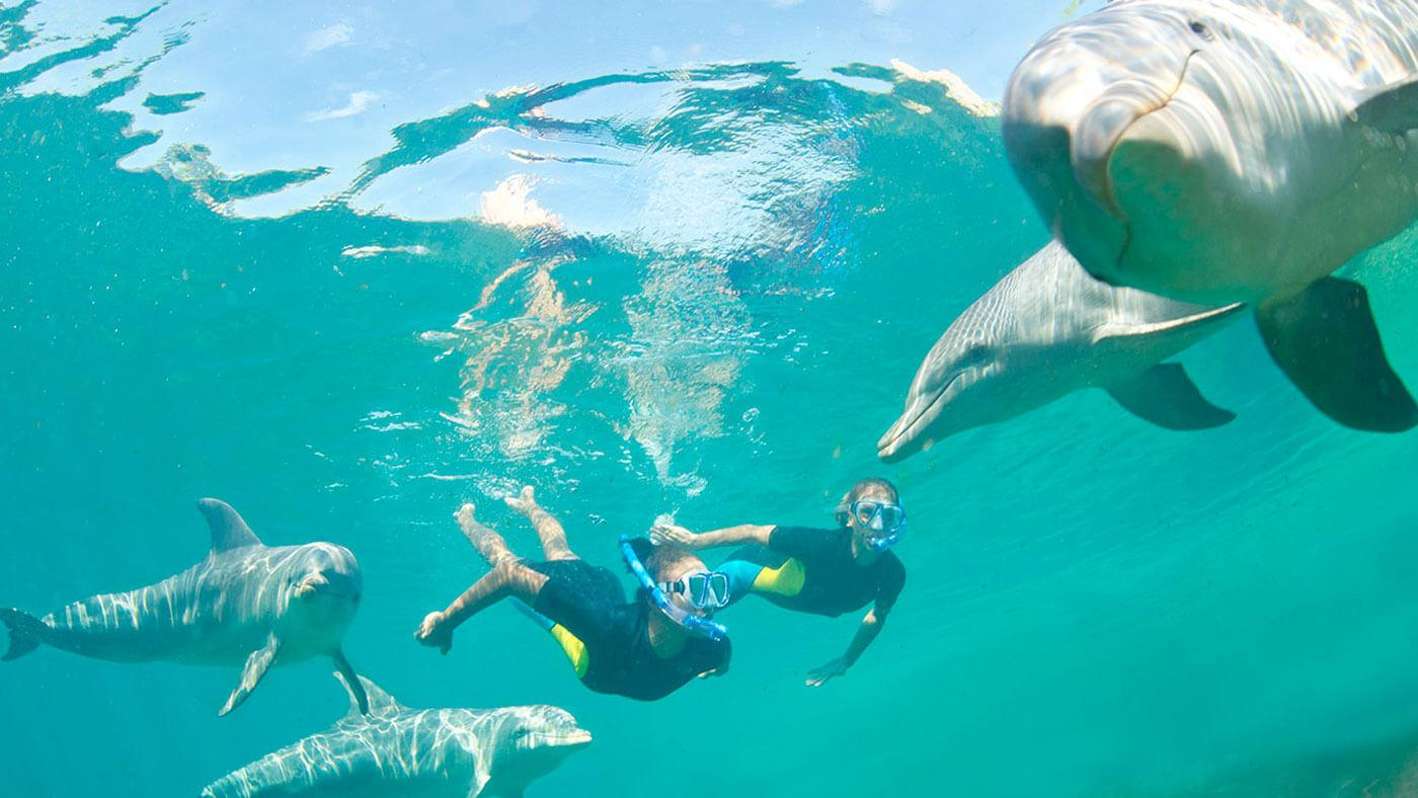
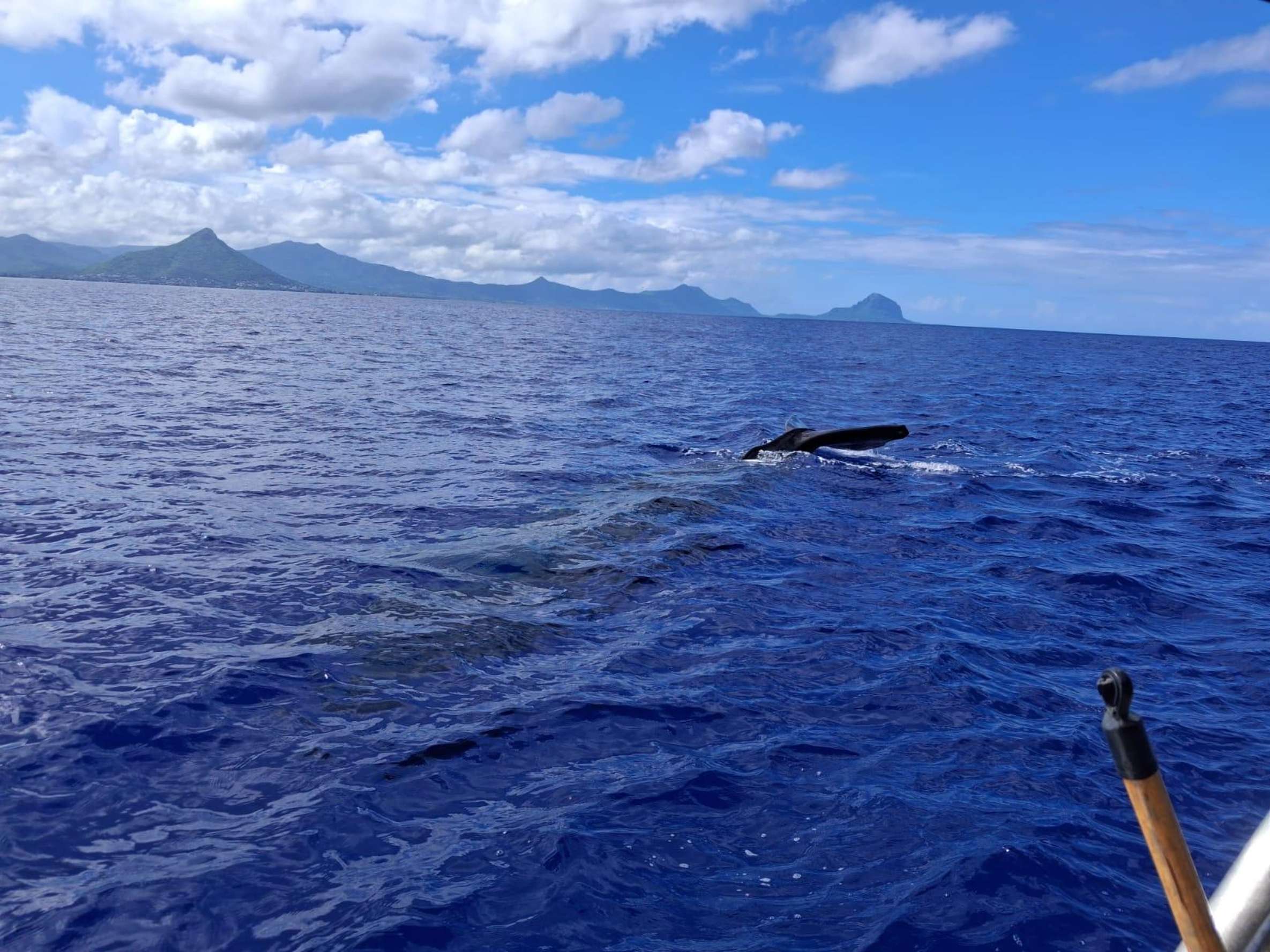
Rank them by sea time and Black River comes first. The marina there sits directly beside the deep drop-offs near the coast, so boats reach the hunting grounds where resident sperm whales feed year-round within minutes of leaving.
It is also where the island's whale watching operators concentrate, and the water stays flattest there in the early morning before the winds build.
Tamarin matches it for speed and adds the island's best dolphin mornings in the same bay, with spinner and bottlenose pods arriving at dawn.
Le Morne trades a few minutes of boat time for scenery and the shortest road trip if you sleep in the south. Flic en Flac trades boat-side convenience, direct boarding at your hotel's beach, for choppier water once the boat clears the lagoon.
| Boat run to whales | Drive from Grand Baie | Sea conditions | Dolphin pairing | |
|---|---|---|---|---|
| Tamarin Bay | 15-20 min | 78 min | oceanic swells past reef | spinner and bottlenose pods |
| Black River | within minutes | 84 min | calmest morning waters | not known |
| Le Morne | nearer reef passes | 108 min | lagoon under half metre | dolphin encounters |
| Flic en Flac | not known | 73 min | choppy open swells | not known |
If your priority is the most serious whale watching, book from Black River. If you want dolphins and whales in one morning, Tamarin. Sleeping south, take Le Morne; sleeping in Flic en Flac, board there and keep the morning easy.
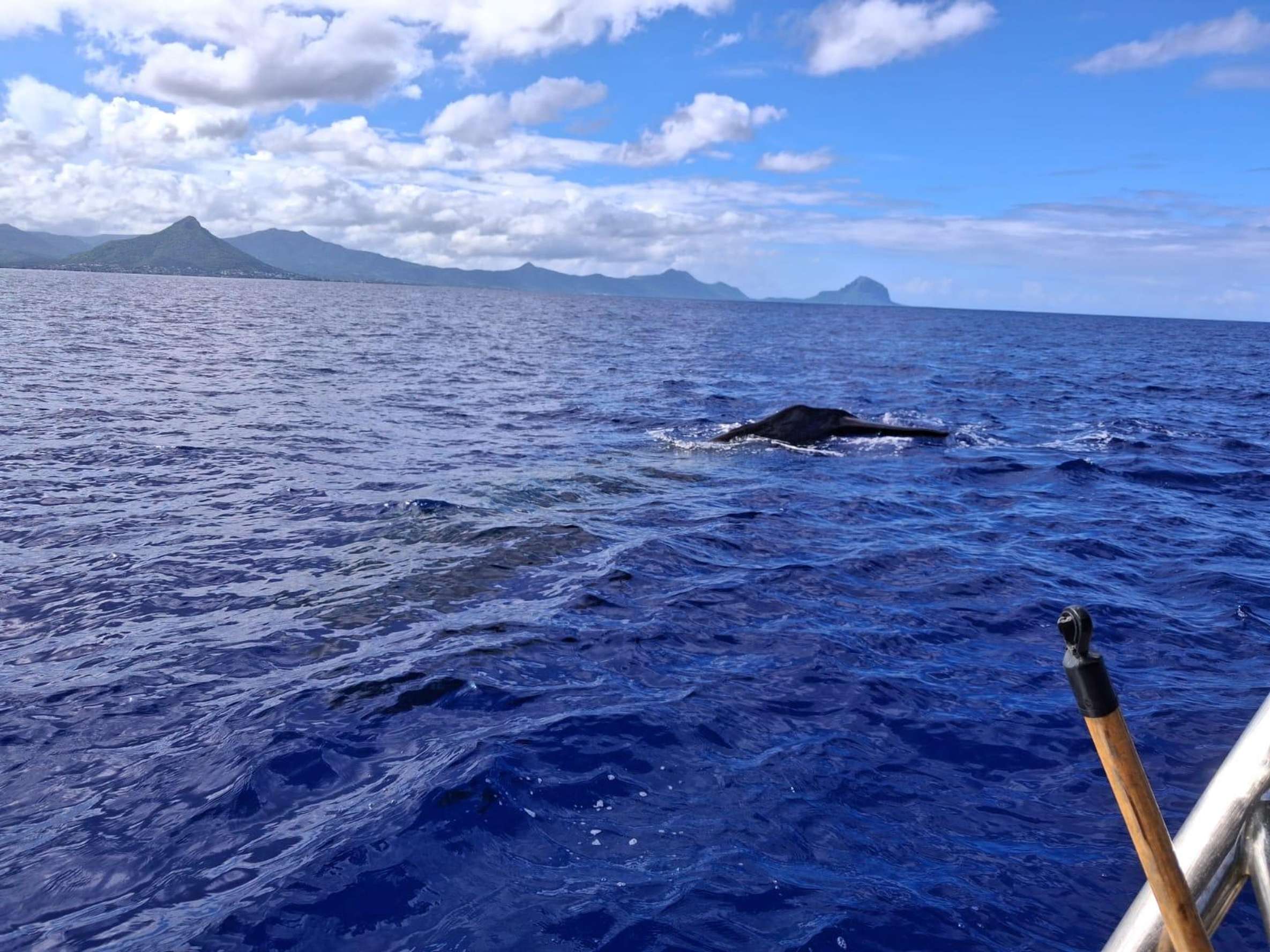
The alarm is the unglamorous half of whale watching. Boats board around 6:30 or 7 am, and from the northern resorts that means a real drive in the dark.
The figures below are straight road distances to each base: from Grand Baie, 73 minutes to Flic en Flac and 78 to Tamarin, rising to 84 for Black River and 108 for Le Morne.
From the east coast resorts, the run is 76 minutes to Flic en Flac, 80 to Tamarin, 86 to Black River and 110 to Le Morne.
A taxi's door-to-door time reads slightly better than the road distances, because drivers take the fastest route to the piers themselves: about 65 to 70 minutes from Grand Baie to Black River or Tamarin in clear conditions.
Weekday traffic between 7 and 9 am around Port Louis can stretch that same run to 75 to 90 minutes, so leave earlier than the map suggests.
Buses are out of the question at that hour, since routes need transfers and do not run early enough to meet a sunrise boarding. A taxi or rental car is the only reliable way.
One tour operator solves the whole problem with hotel pickup, a 7.5-hour sunrise trip that collects you from any accommodation on the island and takes the drive off your hands.
Guests in Flic en Flac have it easiest of all, with a 20 to 30 minute run to Tamarin or Black River when the better trip is elsewhere.
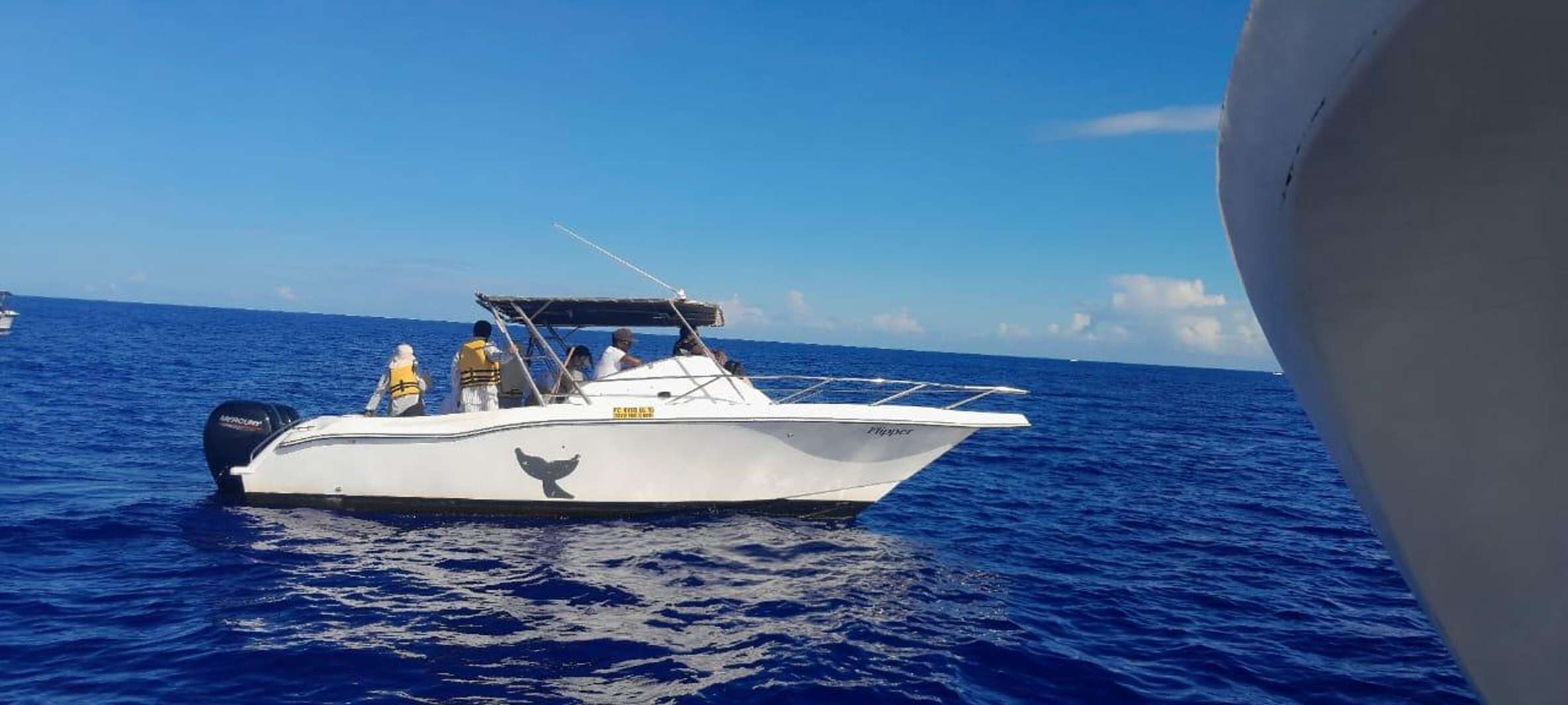
The morning has a shape, and it is the same whatever port you picked. First the sheltered lagoon, flat and glassy. Then the reef pass, where the boat crosses into the open Indian Ocean and the swells begin.
The whole point of a 6 to 7:30 am departure is to make that crossing while the sea is at its flattest, because the trade winds pick up around 8 am and the water grows choppier through the rest of the morning.
There is a second reason, and it is law: paid whale and dolphin watching can only operate between 6 am and noon. A standard three to four hour trip has to leave early to fit inside the window. Late boats are out of the question.
Calm seas and light winds offer the best spotting.
Winds strengthen and more tour boats arrive.
Choppier waters before commercial watching closes at noon.
Two sets of numbers govern the weather call, and they count different things. Operators themselves cancel when winds pass 25 knots or waves exceed 2 metres; the 4-metre mark is the national heavy swell warning threshold, the level at which the Coast Guard prohibits every pleasure craft from putting to sea.
So a skipper may reschedule a bumpy morning well before authorities step in. Either way, the trip moves to another day rather than being pushed through rough water, so keep one flexible morning in your plans as a backup.
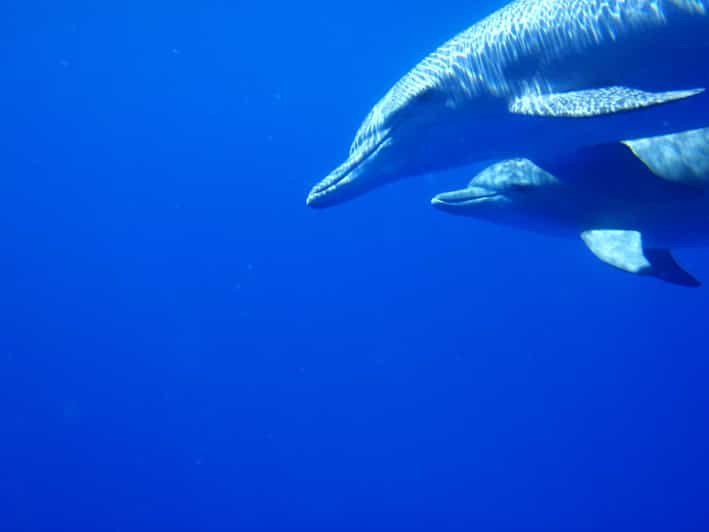
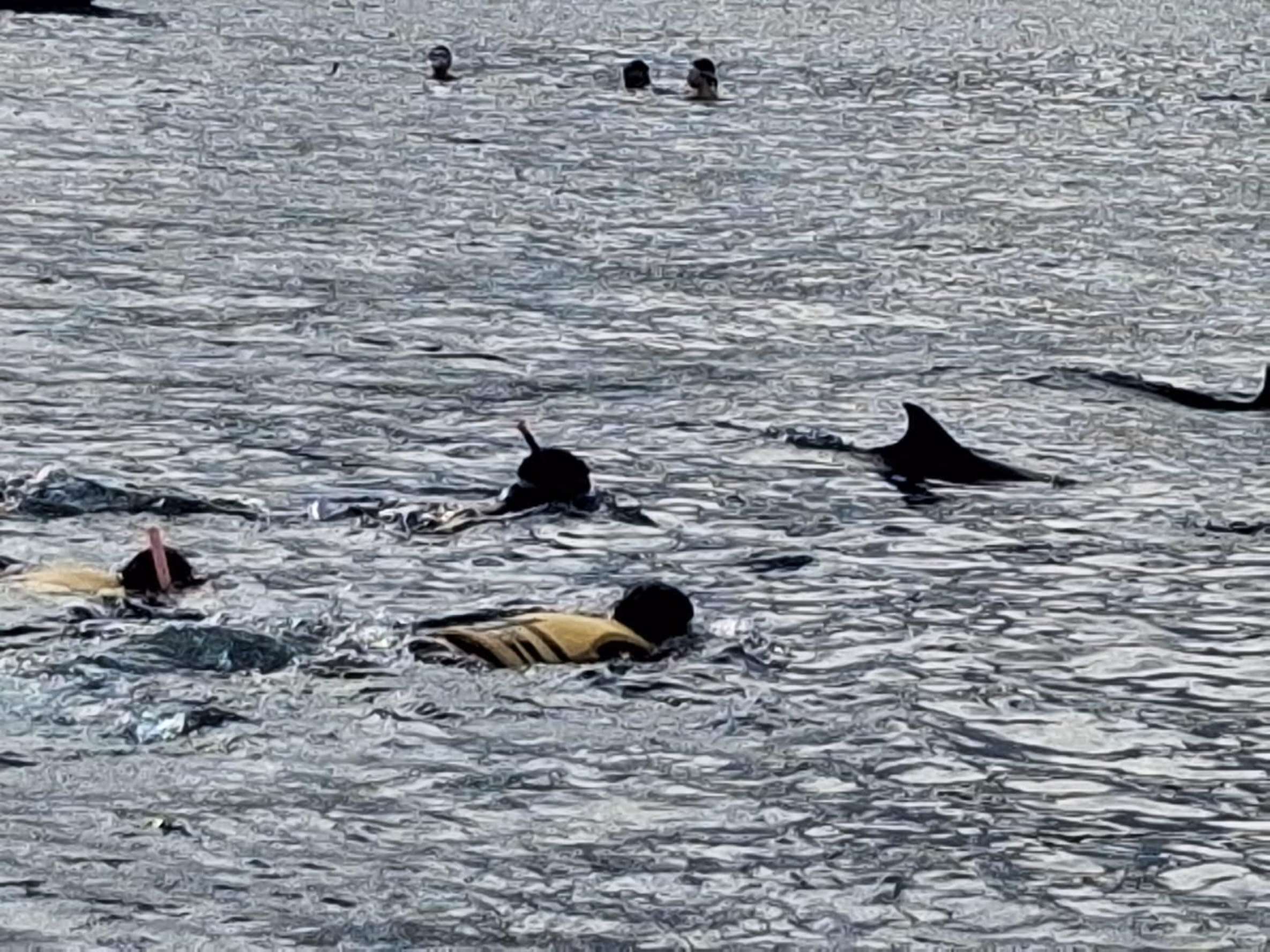
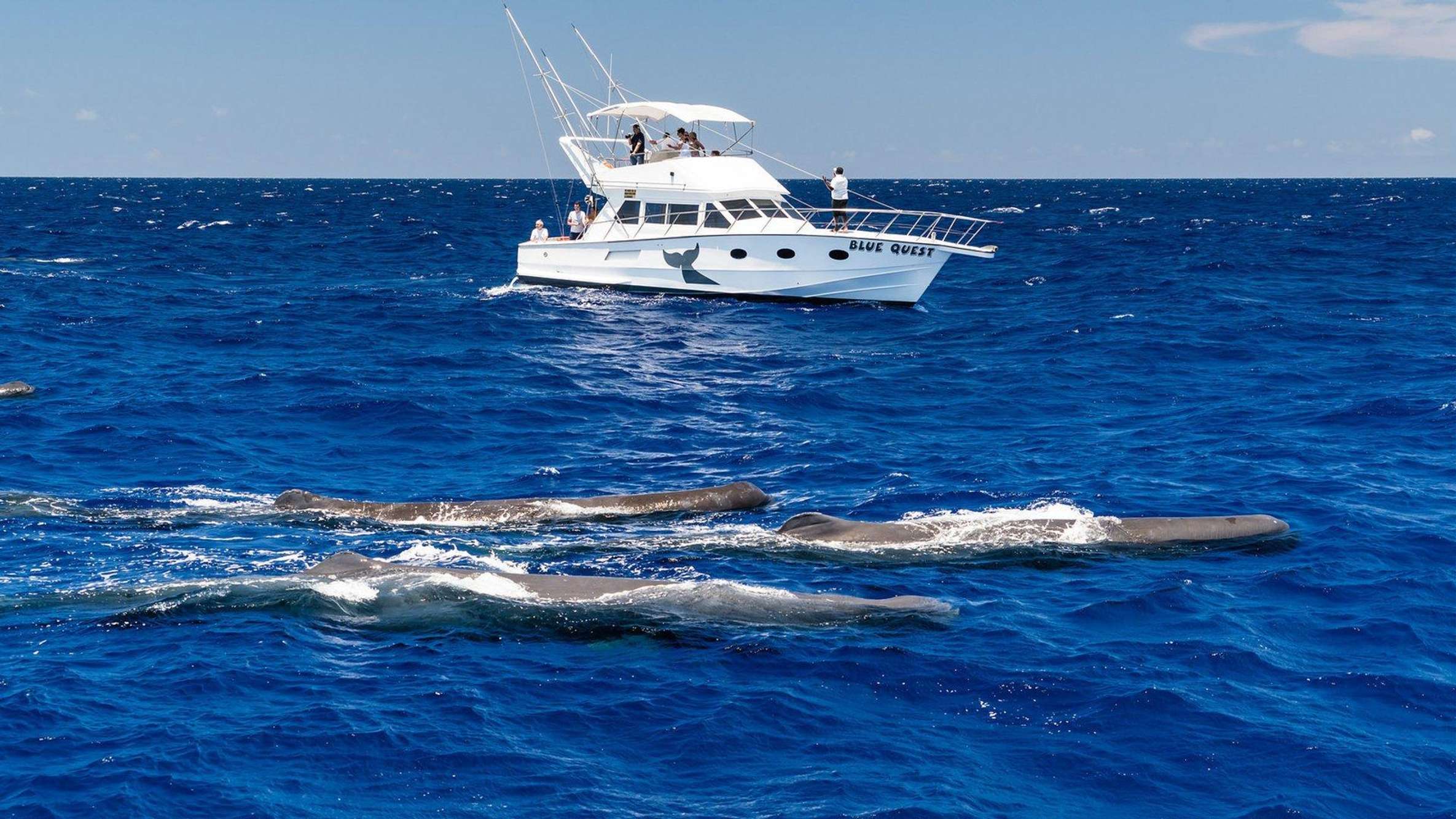
The boat slows before you expect it to. Mauritius sets hard distances: no craft within 50 metres of a dolphin or 100 metres of a whale, with buffer zones stretching to 200 metres.
Skippers must approach from the side, hold a parallel course at no-wake speed, and keep the engine in neutral when standing off. Circling a pod, cutting through it, or approaching head-on is prohibited, and skippers who crowd the animals risk fines and the loss of their licence.
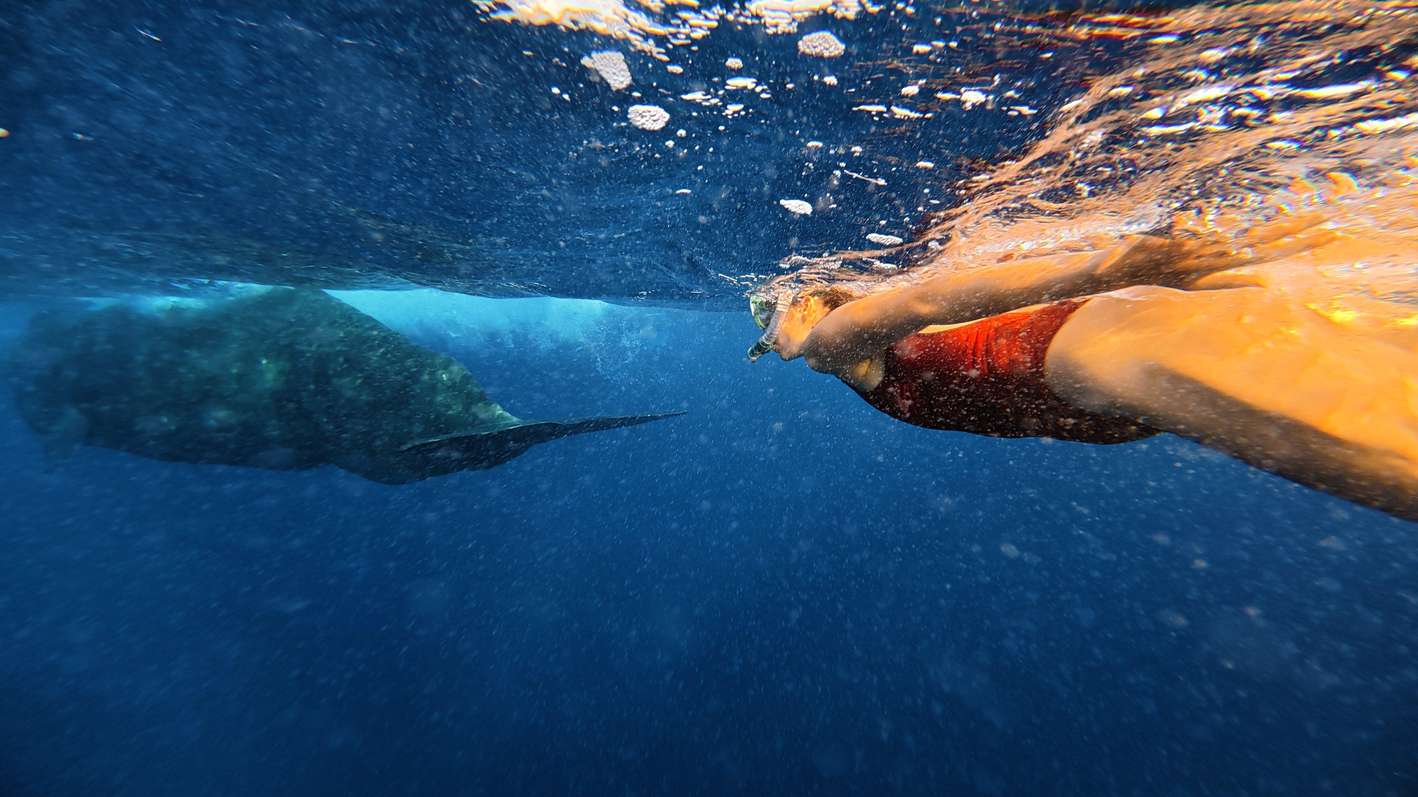
Swimming has its own line in the law. Dolphin swims are legal; swimming with whales is strictly prohibited by law.
On the boat, the crew briefs you on the rules before anyone enters the water: smooth entries, no splashing, no touching or feeding, and no more than three people in the sea at once, one of them a required lifesaver. Paying swim slots with dolphins run only from 6 to 9 am
Any operator offering a swim with whales breaks Mauritian law Book only licensed boats and watch the whales from the deck, which is where the best views are anyway
The rules work in your favour once you know how to read them. A good operator explains the approach rules in a briefing before you reach the animals, displays the official Tourism Authority label, and holds back when dolphins dive away.
If the bay fills with boats crowding a pod, the advice is to stay aboard and let the skipper move on.
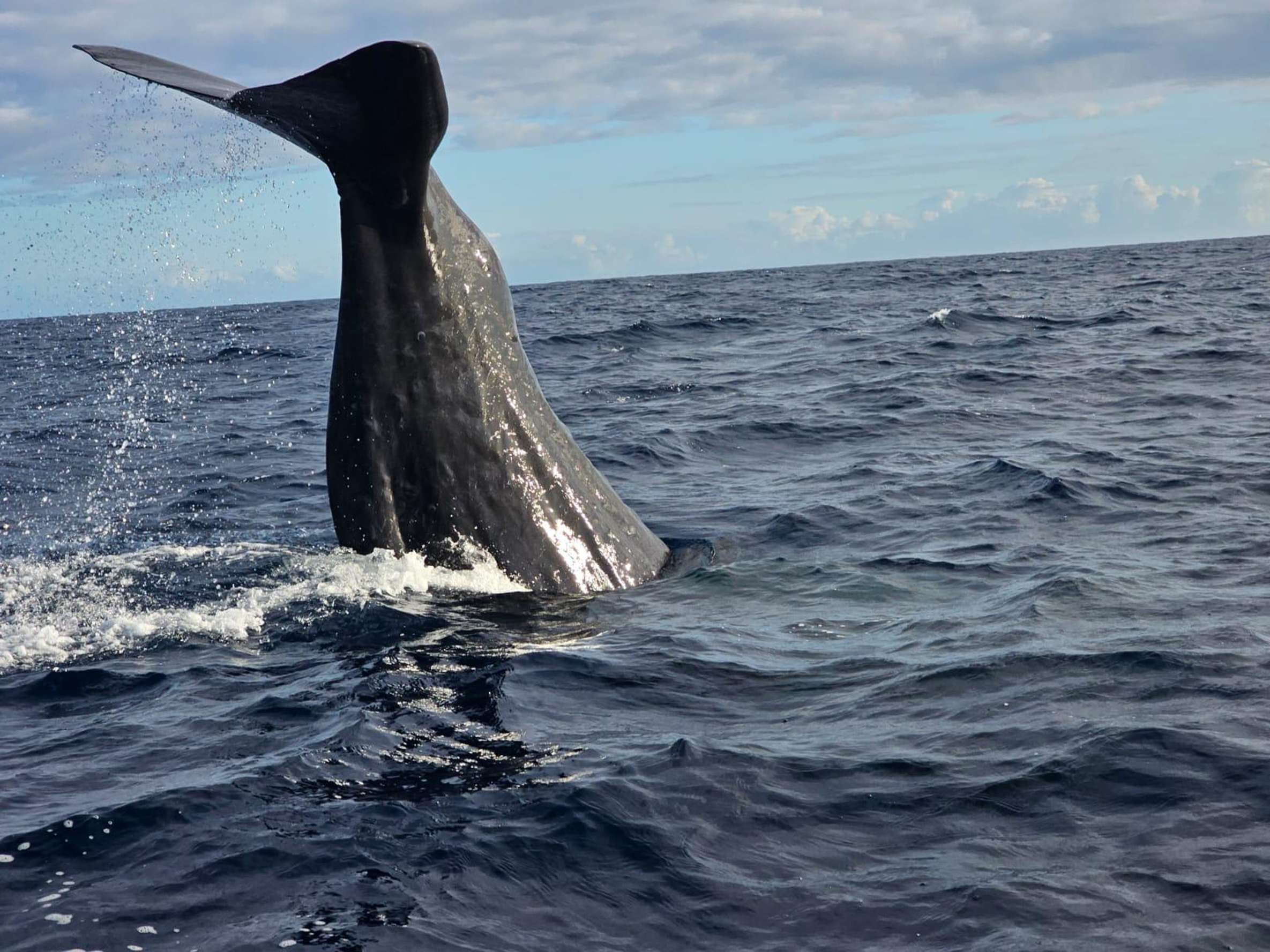
Most mornings, yes to both. The classic trip out of the west coast ports pairs offshore whales with the spinner and bottlenose pods that rest in sheltered bays between about 6 and 8:30 am, after feeding offshore all night. Combination day trips add a barbecue lunch or a visit to Île aux Bénitiers on top.
The swim asks far more effort than the brochures suggest. Wild dolphins move fast, so a swim means jumping in and out of the boat again and again to keep pace, and even then the encounters come as brief pass-bys.
At most two guests can be in the water at once beside the required lifesaver, the law's limit, so on a shared boat of 6 to 12 the skipper rotates swimmers while the rest wait on deck. Less confident swimmers can stay aboard and still see everything from the rail.
The pod never stops moving, so every entry is a fast swim and the encounters are brief
Boat size decides how many turns you get, so a small group swims more
The view from the boat often outlasts the pass-bys in the water
If swimming is the reason you booked, a private charter out of Tamarin or Black River gives your group the whole rotation and the pace to yourselves.
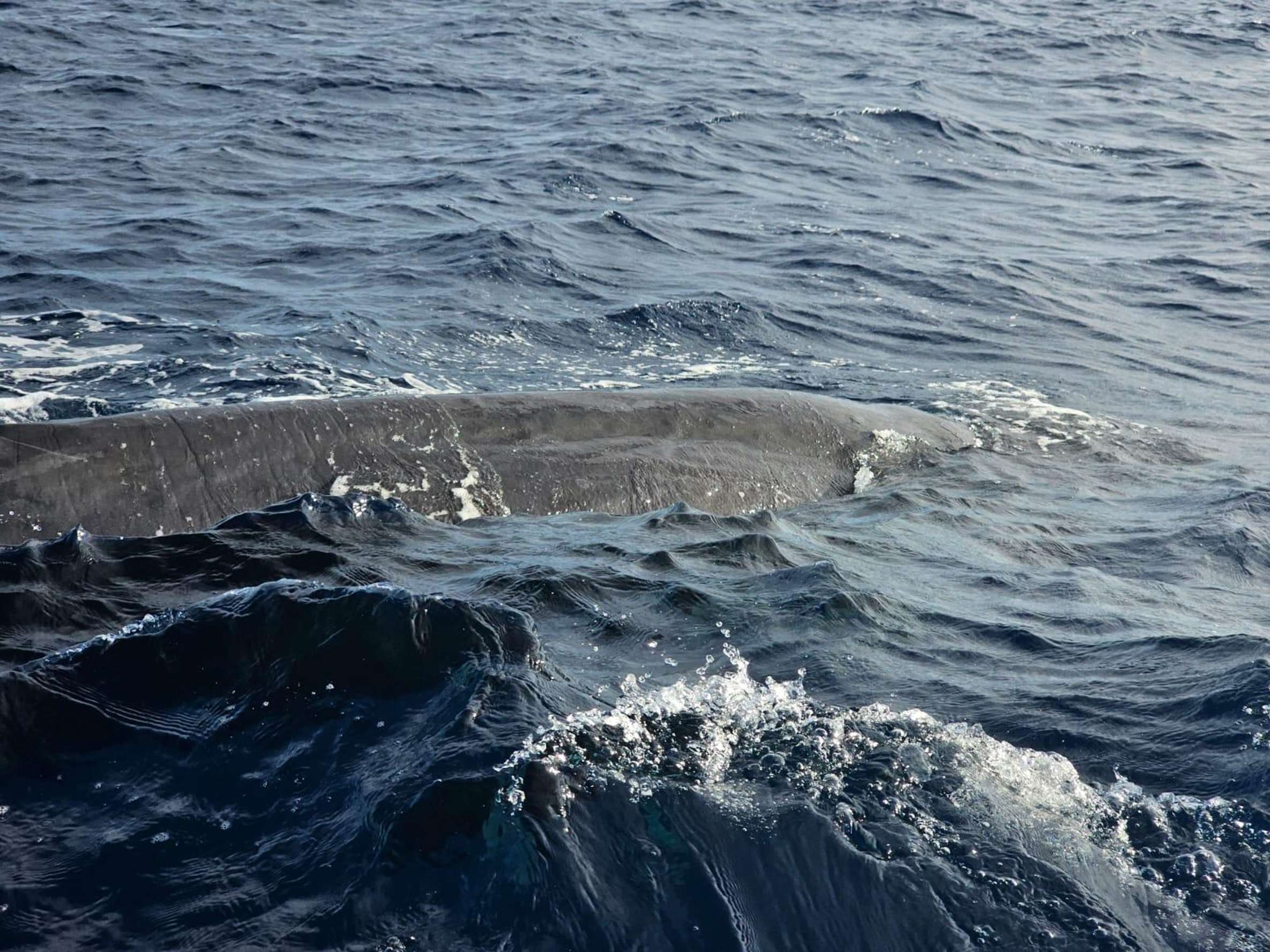
Start with the paperwork, because it is checked for you in one glance.
A commercial whale watching boat must hold a Tourism Authority licence for dolphin and whale watching, run by a skipper with a certificate from the same authority, carry an official label displayed on the craft and be fitted with an approved propeller guard. If a boat skips any of that, book elsewhere.
Then the odds. Whale watching off the west coast finds whales on around 60% to 70% of excursions, and one operator states a 60% chance on its own trips.
Sperm whales are resident in any month; humpbacks pass through only from June to October, peaking in August and September. Book a dedicated whale watch if whales are the point, a combo if dolphins and a lagoon lunch matter just as much.
September: 5 out of 5 for how busy it gets.
Tap a month to read it.
The busy months track the humpback season and the holiday calendar, so a September or October morning books up fastest.
For the short, focused version of the day, the Black River: Whale Watching Boat Tour runs 2.5 hours out of the main marina with the crew talking you through whale behaviour on site, water and soft drinks aboard, and life jackets included.
| Check | Why it matters | Our pick |
|---|---|---|
| Tourism Authority licence | Only licensed craft may carry paying guests to the whales | The operator holds the dolphin and whale watching licence |
| Certified skipper | A skipper's certificate from the Tourism Authority is required by law | A professional skipper and guide run the boat |
| Propeller guard | Approved guards are mandatory on whale watching craft | The craft carries the required equipment |
| Realistic sighting odds | Honest crews quote 60 to 70%, never a guarantee | The trip states a 60% chance of seeing whales |
| Length and focus | Shorter trips go straight to the whales | 2.5 hours, dedicated to whales only |
Run any trip you are eyeing against those five checks and the choice usually makes itself. A boat that clears all of them, on a short dedicated run out of the main marina, is about as safe a booking as this coast gives you.
The lagoon spoils you. Then the boat clears the reef and the Indian Ocean starts its slow roll, and this is the part of the day that decides how you remember it.
Take medication before the trip even starts: about an hour before boarding for ordinary tablets, since once the swells begin they absorb too late to help. A scopolamine patch needs to go on 6 to 8 hours ahead, so the night before.
On board, the habits that help are simple. Stay on deck in the fresh air, keep the horizon in view, sit near the middle of the boat, and sip water through the morning.
Eat something light 45 to 60 minutes before boarding and skip heavy food and alcohol the day before. Ginger candy or acupressure wristbands earn their space in a day bag.
Pack for sun and spray, not for the photo. The open water throws glare off the surface plus a chill on the fast ride back, so bring reef-safe sunscreen, polarized sunglasses with a strap, a hat that fits securely, and a light windbreaker over swimwear and quick-drying clothes.
Boarding usually means wading, so water shoes help, though most people go barefoot on deck. Add a towel, a spare set of dry clothes and a waterproof bag for phones and valuables; the spray soaks cushions and everything on them.
Back ashore before lunch, with the whole day still standing. At Tamarin, Chez Françoise opens at 11 am on the beach for noodles and dumplings on benches in the sand, and Crazy Fish in the village starts serving fresh seafood between 10:30 and 11 am.
Walk the historic salt pans just off the coastal road while the rakes are out, or hire a surfboard straight from the bay for the afternoon.
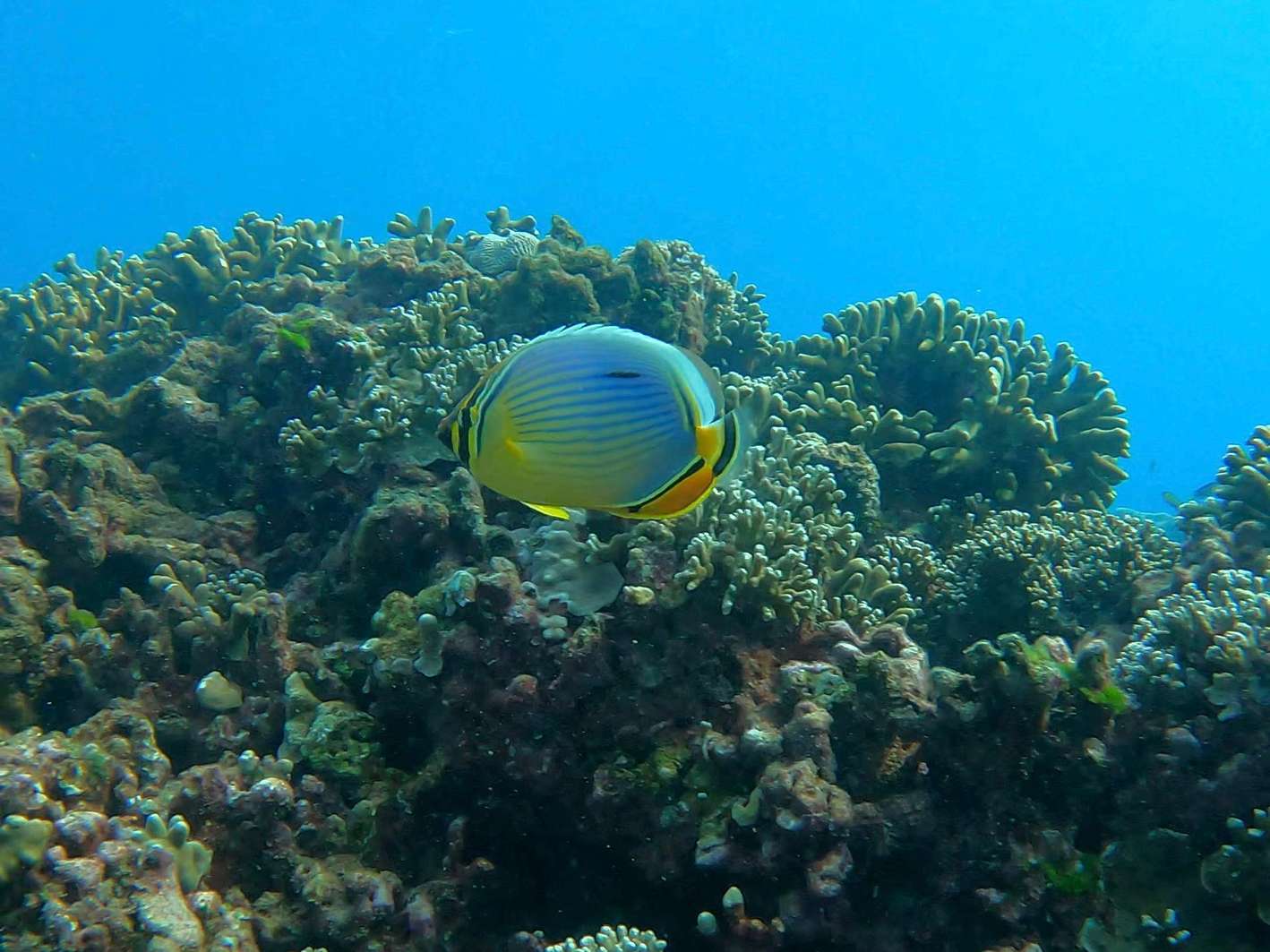
In Flic en Flac, the casuarina-shaded shoreline runs toward Wolmar and the 300-metre-wide lagoon offers snorkelling from the beach, with coral clumps a few dozen metres out holding moorish idols, butterflyfish and moray eels. Rotis and fresh coconut water sell at the main beach entrances.
If you joined a longer combo, the day ends differently: a barbecue lunch on Île aux Bénitiers, shared with the other tour boats that arrive midday and turn the island into a buffet line.
Pleasant enough, but the quieter plan is a morning trip, a slow lunch on the mainland coast and the drive up into the Black River gorges while the clouds are still building.
The whales are where the deep water is, and the deep water runs along one sheltered strip of west coast.
Pick the base that shortens your pre-dawn drive: Black River for the most serious whale watching, Tamarin for dolphins on the same morning, Le Morne if you sleep south, Flic en Flac if you want to board at your own beach.
Book a licensed boat, leave at dawn, and let the 60% odds be what they are.
The questions travelers ask before picking a west coast departure base, answered.
 Grande Riviere Noire2026
The west coast, around Tamarin, Black River (Grande Rivière Noire), Flic en Flac and Le Morne. Deep water lies just beyond the coastal reef there, so resident sperm whales feed close to shore. Most tours leave from the west coast ports, and Grande Rivière Noire is the busiest departure hub.
No regular whale watching boats operate from the north. You can still stay in Grand Baie and book a trip: the drive to Flic en Flac takes about 73 minutes and to Tamarin about 78 minutes, outside the morning rush around Port Louis.
Whale watching runs along the west and southwest coast only. From resorts near Belle Mare on the east side, expect roughly 76 to 80 minutes by road to Flic en Flac or Tamarin, and about 86 minutes to Black River.
Most west coast excursions depart between 6 am and 7:30 am. The sea beyond the reef is calmest early in the morning, before the trade winds pick up around 8 am, and the law limits paid whale and dolphin watching to the hours between 6 am and noon.
No. Swimming, diving or snorkeling with whales is strictly prohibited by law in Mauritius. Whales are watched from the boat only, while swimming with dolphins is permitted within set rules.
It is possible from a high point on the coast, but it takes luck, patience and sharp eyes. A boat excursion is by far the most reliable way to reach the deep water where whales pass.
Mauritian law requires boats to stay at least 100 meters from whales and 50 meters from dolphins, with buffer zones up to 200 meters. Skippers approach from the side at no-wake speed and never circle a pod.
Flic en Flac has the shortest drive from both the north and the east, with Tamarin close behind. If you stay on the south coast around Bel Ombre, a Le Morne departure cuts the early morning road time because the reef passes sit right off the peninsula.
Tamarin Bay on the west coast, where spinner and bottlenose dolphins gather in the early morning after feeding offshore. Tours from Tamarin and Black River combine the dolphin swim with whale watching out in the deep water.
Île aux Bénitiers, off the southwest coast, is the island many combination trips visit. Day tours pair whale and dolphin sightings in the morning with a barbecue lunch or a stop at the island.
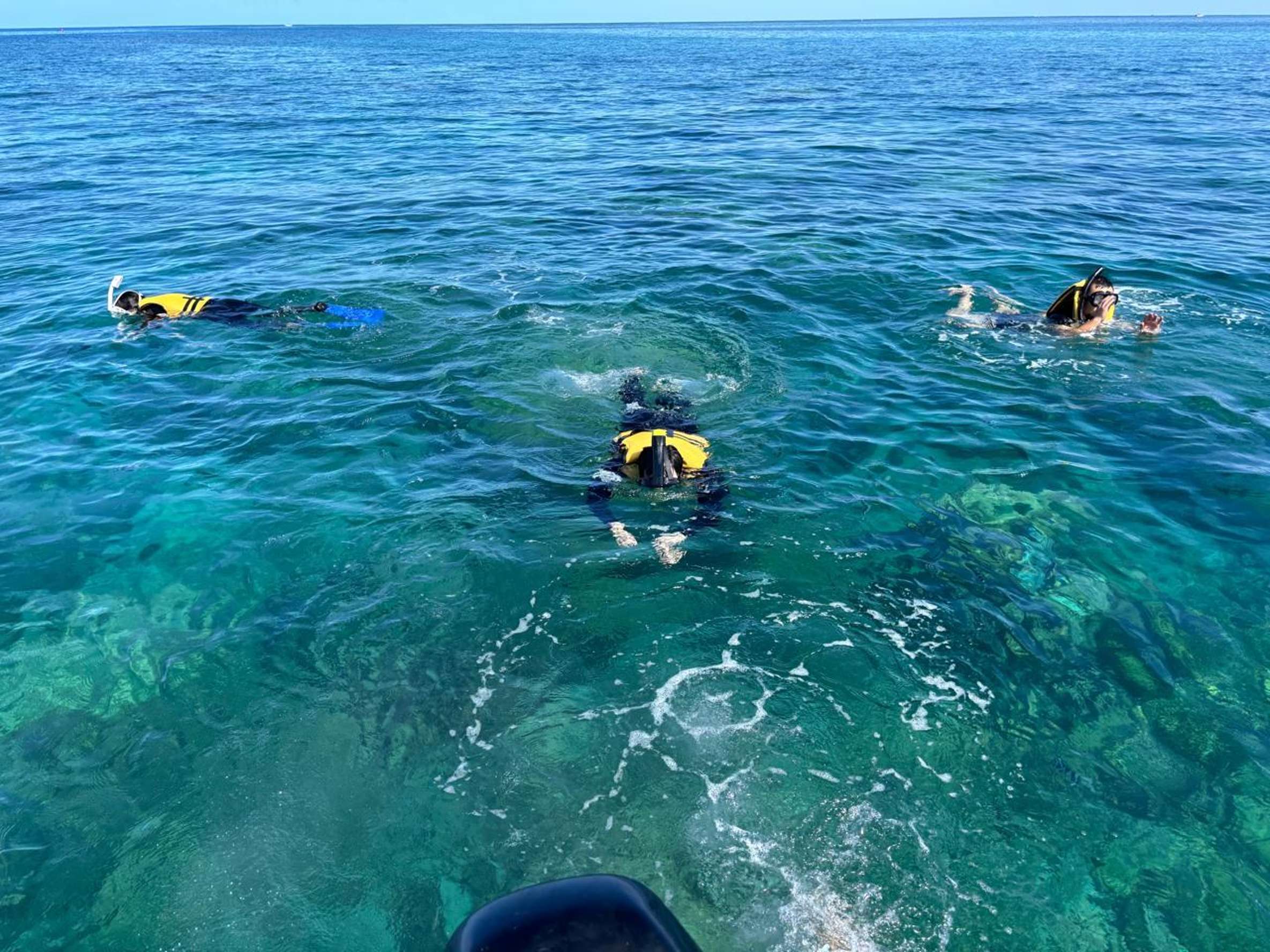
Swim with spinner dolphins, then watch for sperm whales and winter humpbacks on a five-hour speedboat trip, with free cancellation up to 24 hours in advance.